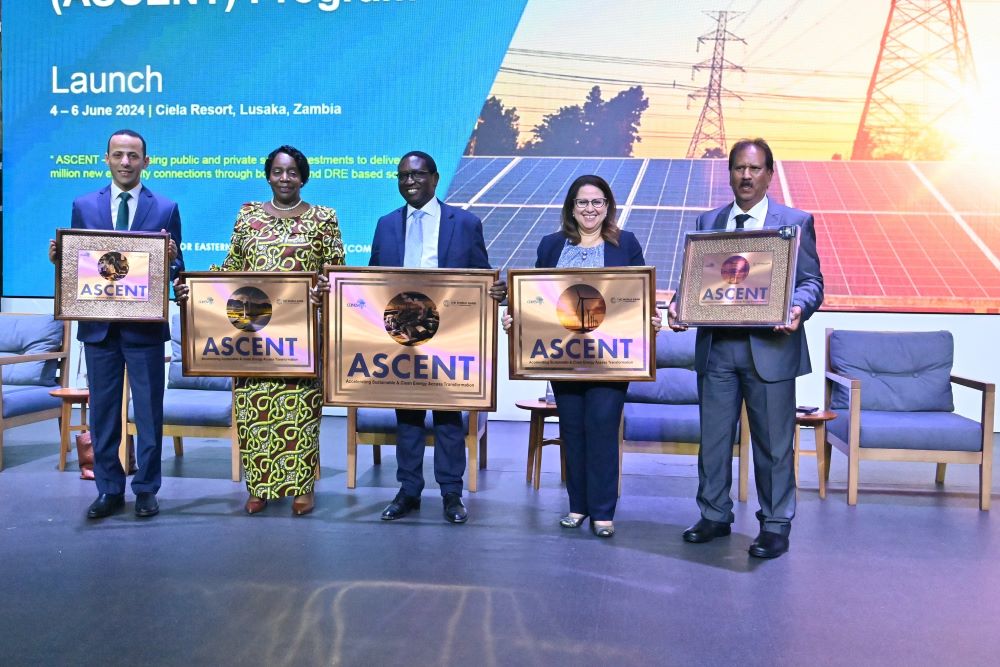
The COMESA ASCENT facility has launched with a $25 million fund aimed at accelerating renewable electrification across Eastern and Southern Africa. The initiative, developed by COMESA in partnership with the World Bank, targets one of the region’s most persistent development challenges, access to reliable and affordable energy.
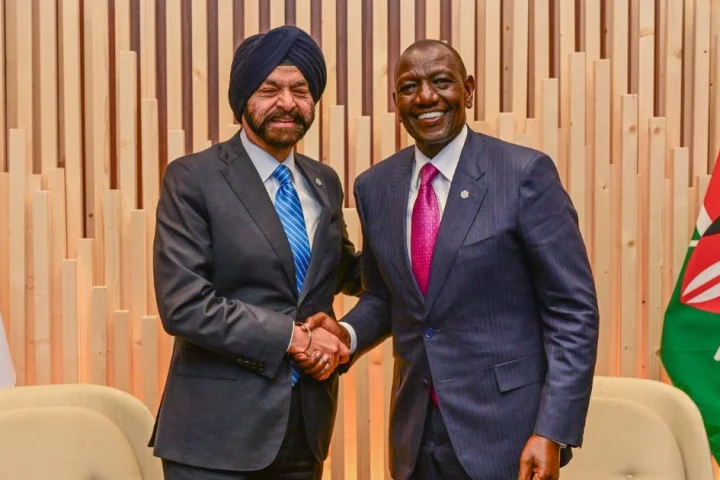
The launch took place during the Energy Access Investment Forum 2026 in Nairobi. The event brought together government officials, investors, and private sector leaders. As a result, the platform helped build partnerships focused on clean energy and infrastructure development.
The COMESA ASCENT facility serves as a project preparation platform. It focuses on early-stage renewable energy initiatives. Many projects in Africa fail to attract funding due to weak technical design or unclear financial structures. Therefore, the facility aims to close that gap.
At its core, the COMESA ASCENT facility provides technical assistance to developers. It supports feasibility studies, financial modelling, and regulatory alignment. As a result, projects become more attractive to investors and lenders. This process improves the chances of securing funding.
In addition, the facility strengthens project design. It ensures that renewable energy initiatives meet international standards. Therefore, developers can present bankable proposals to global financiers. This step is critical for scaling clean energy investments across the region.
Officials described the COMESA ASCENT facility as a catalyst for unlocking capital. By improving project quality, it reduces investment risk. As a result, private sector participation becomes more likely. This approach supports long-term sustainability rather than short-term funding.
The initiative also aligns with broader regional goals. COMESA aims to expand energy access while supporting climate resilience. Therefore, the facility integrates economic development with environmental priorities. It encourages solutions that deliver both growth and sustainability.
The COMESA ASCENT facility also highlights the importance of innovation. Developers can explore new technologies and business models. In addition, the programme promotes collaboration between governments and private companies. As a result, it creates a more dynamic energy ecosystem.
To ensure effective delivery, Cygnum Capital has been appointed as fund manager. The firm will oversee project development and provide advisory services. In addition, it will ensure that supported initiatives meet global standards. This role strengthens confidence among investors.
The COMESA ASCENT facility reflects a growing focus on project preparation in Africa. Many regions have strong renewable energy potential but lack structured pipelines. Therefore, improving early-stage development becomes essential for attracting investment.
For member states, the benefits could be significant. Expanded energy access can support industrial growth, improve living standards, and reduce reliance on fossil fuels. As a result, the facility contributes to both economic and social progress.
The initiative also supports regional integration. COMESA includes 21 member states, each with different energy needs. Therefore, a coordinated approach can improve efficiency and resource sharing. This strategy strengthens the region’s overall energy framework.
The COMESA ASCENT facility arrives at a critical time. Demand for electricity continues to rise across Africa. At the same time, global pressure to transition to clean energy is increasing. Therefore, the initiative addresses both local and international priorities.
Looking ahead, success will depend on execution. Projects must move from planning to implementation efficiently. In addition, stakeholders must maintain strong coordination. If achieved, the facility could unlock large-scale investment in renewable energy.
Ultimately, the COMESA ASCENT facility represents a strategic shift in how energy projects are developed in Africa. By focusing on preparation and bankability, it creates a stronger foundation for investment. As a result, it has the potential to transform energy access across the region while supporting long-term sustainability.