Agricultural value chain development in Africa is increasingly recognized as a key driver of economic transformation. Rather than focusing solely on primary production, value chain development emphasizes the entire process from farm input supply to processing, distribution, and final consumption. This integrated approach enhances productivity, increases farmer incomes, and strengthens industrial capacity.
Agriculture remains a major employer across the continent. However, many African countries still export raw commodities with limited local processing. Expanding value chains allows nations to capture more value domestically. Initiatives supported by the African Union and trade frameworks such as the African Continental Free Trade Area promote regional integration and industrial growth.
Understanding agricultural value chain development in Africa requires examining both its significant opportunities and persistent challenges.
Understanding the Agricultural Value Chain
An agricultural value chain includes several stages:
Input supply such as seeds, fertilizers, and machinery
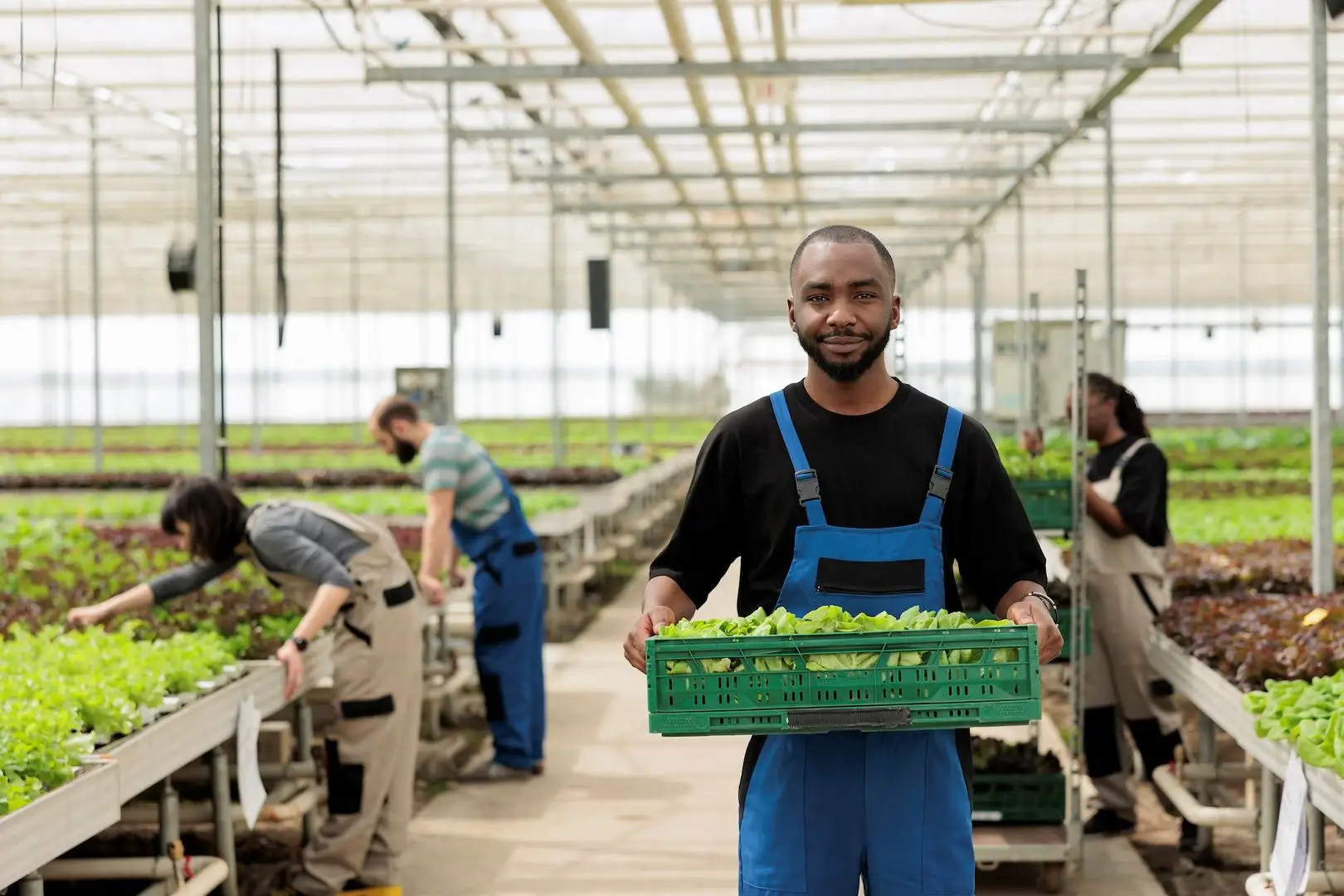
Primary production at the farm level
Processing and packaging
Storage and transportation
Marketing and retail
Each stage adds value to the product. For example, processing cocoa into chocolate or roasting coffee beans significantly increases export earnings compared to selling raw commodities.
Value chain development ensures coordination among these stages, reducing inefficiencies and maximizing returns.
Opportunities in Value Addition
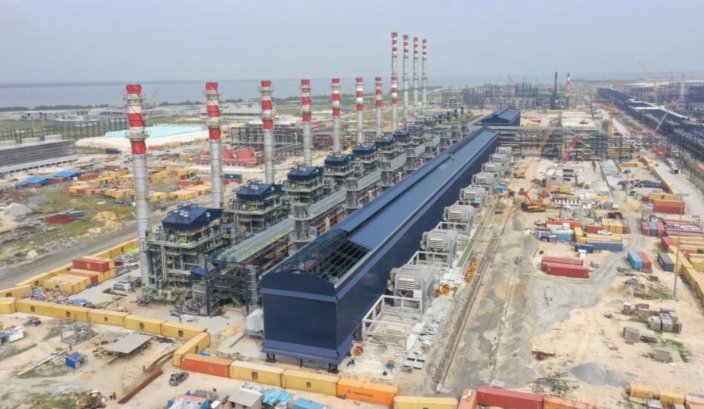
One of the strongest opportunities in agricultural value chain development in Africa lies in value addition. Processing agricultural products locally generates employment and strengthens industrial capacity.
Countries such as Kenya have expanded horticultural processing, while Ghana has increased investment in cocoa processing facilities.
Value addition supports:
Higher export revenues
Diversified product portfolios
Increased foreign exchange earnings
Industrial job creation
By moving up the value chain, African economies reduce reliance on volatile global commodity prices.
Growth of Regional Trade
Regional integration presents another major opportunity. The AfCFTA framework reduces tariffs and harmonizes trade standards, encouraging cross-border agricultural trade.
Intra-African trade allows surplus production in one country to meet demand in another. Improved regional supply chains strengthen food security and reduce import dependency.
Efficient value chains improve competitiveness and open access to broader markets across the continent.
Role of Technology and Innovation
Technological innovation plays a transformative role in agricultural value chain development in Africa. Digital platforms connect farmers directly to buyers, reducing middlemen and improving price transparency.
Mobile applications support:
Market price information
Digital payments
Logistics coordination
Supply chain tracking
Blockchain solutions enhance traceability, which is essential for export markets demanding transparency and quality assurance.
Mechanization and modern irrigation systems also improve productivity and supply consistency.
Infrastructure Gaps and Logistics Challenges
Despite progress, infrastructure remains a significant challenge. Poor rural roads increase transportation costs and post-harvest losses.
Limited cold storage facilities affect perishable goods such as fruits and vegetables. Inadequate warehousing and processing plants constrain value addition potential.
Improving transport corridors, expanding cold chain systems, and modernizing ports are critical to strengthening value chains.
Access to Finance
Smallholder farmers often lack access to affordable financing. Limited credit availability restricts investment in modern inputs and processing equipment.
Financial institutions may perceive agriculture as high risk due to climate variability and price volatility.
Expanding agricultural insurance schemes and tailored financing models can support smallholder participation in value chains.
Quality Standards and Compliance
Accessing international markets requires compliance with strict quality and safety standards. Meeting certification requirements can be costly and complex.
Governments and development partners invest in training programs to improve quality control and packaging standards.
Strengthening regulatory frameworks ensures competitiveness in global markets.
Climate and Environmental Risks
Climate change presents growing risks to agricultural productivity. Droughts, floods, and shifting rainfall patterns disrupt supply chains.
Climate-smart agricultural practices help mitigate environmental risks. Sustainable farming methods preserve soil health and ensure long-term productivity.
Integrating sustainability into value chain development supports resilience and environmental protection.
Policy and Institutional Support
Effective policy frameworks are essential for advancing agricultural value chain development in Africa. Governments play a key role in:
Creating supportive trade policies
Investing in rural infrastructure
Encouraging private sector investment
Strengthening research and extension services
Public-private partnerships enhance coordination and drive innovation across value chains.
Long-Term Outlook
The future of agricultural value chain development in Africa is promising. Growing populations and rising global food demand create expanding market opportunities.
Increased regional integration, technological adoption, and industrialization efforts will shape the next phase of development.
By addressing infrastructure gaps, improving access to finance, and promoting value addition, Africa can unlock significant economic gains.
Conclusion
Agricultural value chain development in Africa offers substantial opportunities for economic growth, employment creation, and trade expansion. While infrastructure challenges, financing constraints, and climate risks persist, coordinated investment and policy reforms can unlock transformative potential.
Strengthening value chains enhances competitiveness, improves farmer incomes, and supports sustainable development. With continued commitment from governments, private investors, and regional institutions, agricultural value chains can drive long-term economic transformation across the continent.