Kenya reforms in public finance, procurement, governance and climate policy have become the next major test for the country’s access to World Bank budget support, as the lender ties future funding to legal and administrative changes aimed at tightening control of public money.
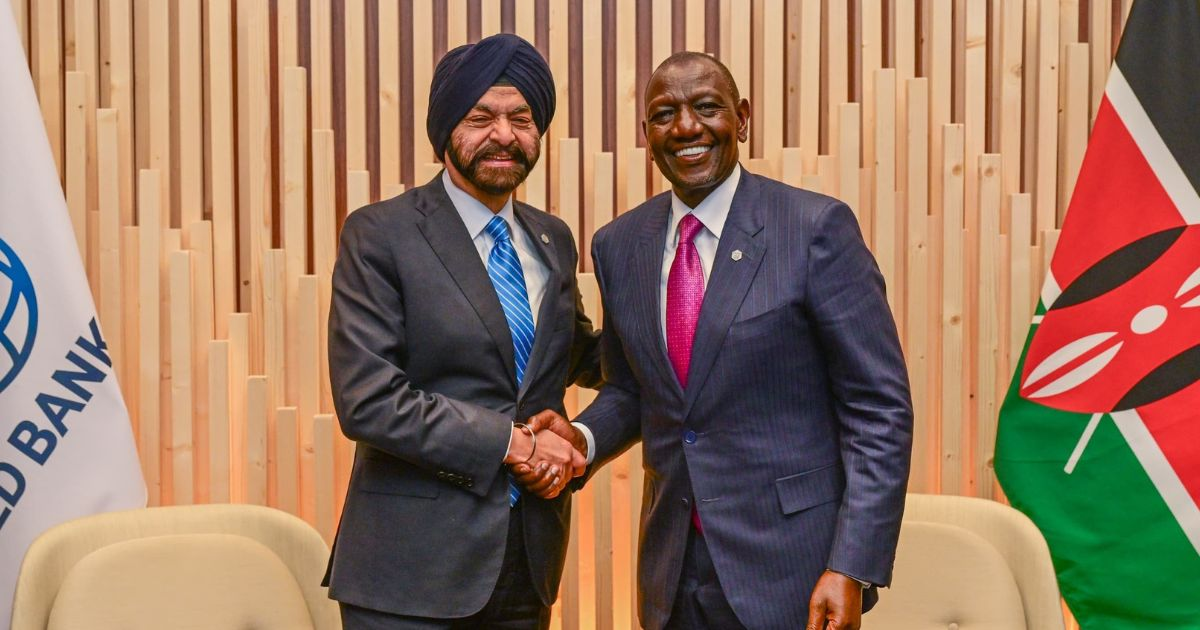
The World Bank approved US$750 million for Kenya in June 2026 under the Second Kenya Fiscal Sustainability and Resilient Growth Development Policy Operation. The facility includes US$340 million from the International Bank for Reconstruction and Development and US$410 million from the International Development Association, and is designed to support stronger accountability, public finance management and social protection.
The latest approval gives Treasury breathing room at a time when Kenya is managing heavy debt-service costs, limited fiscal space and pressure to maintain public services. But the lender has also set the stage for the next round of reforms before further support is released.
The conditions reported by Business Daily include enacting whistleblower protection, verifying public officials’ personal-interest declarations, restricting unsolicited public-private partnership proposals, strengthening beneficial ownership rules, revising public finance controls, consolidating payroll records, enacting rail legislation, publishing urban transport and e-mobility regulations, and adopting green building standards.
The package is not only about unlocking another loan. It is about whether Kenya can make its public finance system more credible. For citizens, the reforms touch the way taxes and borrowed funds are protected. For investors, they shape confidence in procurement, infrastructure deals and fiscal discipline. For government, they test whether long-promised changes can survive political pressure.
Kenya Reforms Put Fiscal Credibility at the Centre
The Kenya reforms attached to future World Bank financing are aimed at a central weakness in public finance: the gap between approved policy and actual execution.
Kenya has passed many budgets, strategies and laws over the years. Yet concerns persist around procurement integrity, supplementary budgets, payroll controls, opaque infrastructure deals and conflict-of-interest risks. These weaknesses are not only governance problems. They also become fiscal problems when public money is wasted or redirected away from essential services.
The World Bank’s programme document frames the operation around three broad objectives: improving the efficiency, transparency and equity of public finance; promoting more competitive and inclusive markets; and strengthening climate action.
That framing explains why the conditions are spread across several sectors. The lender is not simply asking Kenya to raise more revenue or reduce spending. It is pushing for reforms in the systems that decide how money is budgeted, contracted, paid, audited and linked to national development goals.
The reforms also reflect Kenya’s current fiscal reality. When debt service is high, the cost of weak systems rises. A poorly managed tender, a ghost worker, a hidden company owner or a badly negotiated PPP does not remain a technical issue. It becomes a burden on taxpayers.
This is why the next phase of World Bank support matters. Kenya can secure more budget financing, but the more important outcome would be stronger institutions that reduce the need for crisis borrowing in the future.
Background: Why This Story Matters
Kenya’s relationship with multilateral budget support has become more important as the government works to balance financing needs with debt sustainability.
Budget-support loans from institutions such as the World Bank can help ease short-term pressure because they often come on more favourable terms than commercial borrowing. But they are also tied to reforms that lenders believe will improve economic management.
In Kenya’s case, those reforms are increasingly focused on accountability. The World Bank said its June 2026 support is intended to help the country strengthen governance, improve public financial management and expand social protection for vulnerable citizens. It also linked the programme to regulatory certainty needed for jobs, private investment and poverty reduction.
This matters because Kenya’s fiscal debate has become politically sensitive. Citizens have faced tax pressure. Businesses have raised concerns about policy predictability. Investors are watching debt sustainability. Counties continue to demand timely transfers. Public institutions face pressure to deliver more with less.
Against that background, the quality of spending becomes as important as the level of spending. A government that borrows or taxes more must show that public money is being used efficiently. Otherwise, fiscal consolidation loses public legitimacy.
The World Bank conditions also come at a time when Kenya is trying to attract more private capital into infrastructure and growth sectors. Investors want clear procurement rules, transparent ownership data, reliable public institutions and disciplined budgets. Weak public finance systems raise risk and can increase the cost of capital.
This is why the reform list reaches beyond Treasury. It touches Parliament, procurement agencies, public service institutions, counties, transport regulators, housing authorities and oversight commissions. The reforms require a whole-of-government response.
Key Details From the Development
The pending reform package can be divided into several major areas: anti-corruption protection, conflict-of-interest management, company ownership transparency, PPP discipline, budget control, payroll reform, procurement digitisation, transport law and climate-linked building standards.
Each condition targets a different weakness. Together, they are designed to make Kenya’s public finance system harder to abuse and easier to monitor.
Whistleblower Protection Is a Governance Test
One of the most important conditions is the enactment of the proposed Whistleblower Protection Act.
This reform matters because wrongdoing inside government and public procurement is often first noticed by insiders. A public officer may detect a suspicious payment. A contractor may know a tender was manipulated. A staff member may see documents altered or invoices inflated.
Without legal protection, such people may stay silent. They may fear dismissal, blacklisting, harassment, demotion or legal action.
A credible whistleblower law should protect good-faith reporting, establish clear reporting channels, preserve confidentiality and punish retaliation. It should also prevent malicious use of whistleblower systems.
For Kenya, this is not just an anti-corruption reform. It is a public finance reform. If misuse of funds is detected earlier, losses can be reduced and accountability strengthened.
The risk is weak implementation. Passing a law is only the first step. Whistleblowers must trust the system. Oversight bodies must act on reports. Courts and enforcement agencies must protect those who expose wrongdoing.
Conflict-of-Interest Declarations Must Be Verified
The World Bank also wants Kenya to strengthen the disclosure and verification of personal interests by public officials.
This is important because declarations that are filed but never checked do not solve the problem. Public officials can declare interests in theory while hidden links to suppliers, contractors or regulated firms remain undetected.
The World Bank programme framework sets a target for responsible commissions to review and verify a high share of public officials’ personal-interest declarations by 2028.
Verification is the key word. It means checking declarations against company ownership records, procurement data, directorships and other relevant information.
This reform is especially important in procurement and regulation. A public official who influences a tender while having a hidden relationship with a bidder can distort competition and inflate costs. The same risk exists in licensing, inspections and project approvals.
If implemented well, the reform can improve trust in public decisions. If implemented poorly, it will become another paperwork exercise.
PPP Regulations Must Protect Taxpayers
The World Bank’s conditions also include publishing regulations to restrict unsolicited PPP proposals.
Public-private partnerships can help Kenya finance infrastructure when the government has limited borrowing space. However, PPPs can also create long-term fiscal risks if contracts are opaque, poorly priced or negotiated without competition.
Unsolicited proposals are especially sensitive. They allow private firms to approach the government with projects outside a standard open-tender process. This can be useful when a proposal is genuinely innovative. But it can also open the door to single-sourced mega-projects with weak public scrutiny.
Business Daily reported that the World Bank wants Kenya to restrict unsolicited PPP proposals and promote competitive tendering for infrastructure projects.
The concern is value for money. Taxpayers need assurance that a project has been tested against alternatives, that risks are clearly allocated and that hidden guarantees or future payments do not create budget shocks.
A stronger PPP framework should require public disclosure, fiscal-risk analysis, competitive challenge, affordability assessment and independent review. It should also make clear when a privately initiated proposal is allowed and when a project must go through open tender.
For investors, clear PPP rules can be positive. Serious investors prefer predictable procedures. Opaque shortcuts may look convenient, but they damage confidence when deals face public resistance or legal challenge.
Beneficial Ownership Changes Target Hidden Control
Kenya is also expected to strengthen beneficial ownership rules under the Companies Act.
Beneficial ownership refers to the real person who ultimately owns or controls a company. This is different from the name of a company, nominee shareholder or legal representative. In procurement and anti-money laundering, knowing the real owner is essential.
The World Bank programme document links beneficial ownership reform to updated international standards and to Kenya’s e-Government Procurement system. It also refers to penalties for non-compliance.
This matters because shell companies can be used to hide conflicts of interest, politically exposed persons or illicit financial flows. A company bidding for a government contract may appear independent, while its real owner may be connected to a public official.
If beneficial ownership data is connected to procurement systems, authorities can better detect suspicious links before contracts are awarded. That can improve competition and reduce corruption risk.
For businesses, the reform means more disclosure. For legitimate firms, this should not be a problem. In fact, it can help create a fairer market by reducing the advantage of hidden insiders.
Public Finance Amendments Aim to Control Budget Drift
Another condition targets Kenya’s Public Finance Management framework.
The World Bank wants budget changes during implementation to remain aligned with fiscal aggregates approved by Parliament through the Budget Policy Statement. This is aimed at reducing slippage caused by unplanned spending and repeated supplementary adjustments.
Supplementary budgets are sometimes necessary. Governments must respond to emergencies, revenue shortfalls and new priorities. But if supplementary budgets become routine tools for expanding spending, they weaken the credibility of the original budget.
When ministries expect allocations to be revised later, budget discipline suffers. When fiscal aggregates shift too easily, investors and lenders question whether the government can stick to its consolidation path.
This reform is therefore about predictability. It does not eliminate flexibility. It seeks to keep flexibility within limits already approved by Parliament.
For citizens, better budget discipline can reduce arrears, stalled projects and sudden fiscal adjustments. For businesses, it can improve confidence in government payment planning. For Parliament, it protects the authority of the budget process.
Payroll Consolidation Could Expose Leakages
Kenya must also consolidate payroll and human resource records across the public sector.
The World Bank programme refers to ministries, departments and agencies, county executives and assemblies, non-commercial state corporations, commissions and independent offices. It also highlights unified payroll numbers and consistency between payroll data, authorised staffing records and human resource files.
This is one of the most practical reforms in the package.
Payroll systems can become vulnerable when records are fragmented. Ghost workers, duplicate payments, irregular allowances and unauthorised positions are harder to detect when each institution manages data separately.
A unified system can help government confirm who is employed, where they work, whether their position is authorised and whether the salary paid matches the approved structure.
The reform may be politically sensitive because payroll is linked to jobs, county politics and public-sector bargaining. Cleaning payroll records must therefore be fair, evidence-based and transparent.
But the fiscal logic is strong. If payroll leakages are reduced, savings can be redirected to services, development projects or debt management.
E-Procurement Must Become the Real Default
The World Bank also wants mandatory use of the e-Government Procurement system.
E-procurement can improve transparency by creating digital records of tender notices, bids, evaluations, awards and contract management. It can reduce manual discretion and make procurement easier to audit.
The World Bank programme sets a target for a large share of ministries, departments and agencies’ procurement budgets, excluding the security sector, to be processed through e-GP using competitive tendering and beneficial ownership transparency requirements by 2028.
This reform can benefit businesses and taxpayers. Suppliers can access tenders more easily. Government can compare bids more efficiently. Auditors can track decisions. Citizens can have more confidence that tenders are not quietly manipulated.
However, e-procurement only works if it is mandatory in practice. If agencies can bypass the system, the reform loses strength. Counties also need support, because local procurement is a major part of public spending.
The success of e-GP will depend on system reliability, training, enforcement and consequences for non-compliance.
Railways Bill Is Part of Wider Transport Reform
The reform package also includes enacting the Railways Bill.
The World Bank programme links the Railways Bill to a clearer framework for rail development, ownership and operation. It also refers to separating passenger and freight operations and defining private-sector participation.
Rail reform matters because transport is central to Kenya’s productivity. Congestion in urban areas raises costs for workers and businesses. Freight bottlenecks affect trade. Poor transport integration reduces the value of infrastructure investment.
A stronger rail framework can support commuter rail, freight planning and future private-sector involvement. But legislation alone will not transform transport. Kenya will still need financing, operational discipline, last-mile connections and integration with road-based public transport.
The condition shows that World Bank financing is not only concerned with Treasury reforms. It also touches sectors that affect long-term growth.
Urban Transport and E-Mobility Rules Are Needed
Kenya is also expected to publish regulations for the Urban Transport Policy and E-Mobility Policy.
This reflects the rise of electric mobility and the need to modernise urban transport. Electric motorcycles, buses, charging infrastructure and battery services are attracting investors, but the sector needs clear rules.
Regulations should address safety, licensing, charging standards, battery handling, consumer protection and integration with public transport systems.
Urban transport reform also has an economic purpose. Cities that move people efficiently are more productive. Workers spend less time in traffic. Businesses face lower logistics costs. Public transport becomes easier to plan.
For investors, clear e-mobility rules reduce uncertainty. For citizens, they can improve safety and reliability. For government, they support climate goals while managing rapid technology adoption.
Green Building Standards Link Housing to Climate Finance
The final major condition concerns green building standards.
Kenya is expected to integrate green building standards into the Affordable Housing Policy and adopt mandatory minimum performance requirements for new buildings and major renovations.
The World Bank programme connects this reform to climate action and sustainability-linked financing. It also links measurable green building outcomes to future climate-finance revenue.
This is important because buildings last for decades. If Kenya builds large numbers of housing units without efficiency standards, the country could lock in high energy and water costs for households.
Green building rules can influence design, materials, ventilation, insulation, lighting, water use and energy performance. For households, this can reduce long-term utility costs. For developers, it creates new compliance requirements but also opens opportunities in efficient construction materials and certified design services.
For government, the standards strengthen the credibility of climate-linked financing. Investors and lenders increasingly want measurable climate outcomes rather than broad policy statements.
Impact on Government, Investors, Businesses and Citizens
For government, the conditions create pressure to move from policy promises to measurable reforms. Treasury may lead the financing discussion, but many reforms require Parliament, ministries, counties, commissions and regulators to act.
For investors, the package could improve confidence if implemented well. Transparent procurement, clear PPP rules, beneficial ownership disclosure and disciplined budgeting reduce risks that often discourage long-term capital.
For businesses, the reforms could widen access to public contracts. E-procurement and beneficial ownership checks can reduce insider advantage. But businesses will also need stronger compliance systems and cleaner ownership documentation.
For counties, the reforms will be demanding. Payroll consolidation and e-procurement require capacity, training and system integration. If counties lag behind, national reforms may produce uneven results.
For citizens, the reforms could improve value for money. Cleaner tenders, verified conflicts of interest, protected whistleblowers and controlled payrolls can reduce waste. But citizens will only see benefits if enforcement is real.
The biggest risk is that Kenya passes the laws but does not change behaviour. That would unlock financing without improving public finance credibility.
Market, Policy or Industry Context
Kenya’s reform agenda is unfolding in a tough economic environment.
Public debt has kept pressure on the budget. Tax changes have faced public resistance. Businesses want predictability. Investors are watching the country’s ability to manage debt while supporting growth.
In this context, World Bank budget support provides financial relief, but the conditions attached to it reveal a deeper concern: Kenya must improve the systems that manage public money.
This is consistent with a wider trend in development finance. Lenders increasingly tie budget support to governance, transparency, climate action and private-sector reforms. Financing is no longer judged only by the amount disbursed. It is judged by whether the country improves the institutions that determine long-term stability.
For Kenya, this can be helpful if the reforms are domestically owned. Strong procurement systems, clean payrolls, transparent company ownership and disciplined budgets are good for citizens even without World Bank pressure.
But there is also a political risk. Loan-linked reforms can be framed as external demands. The government must therefore explain them in practical terms: fewer hidden contractors, fewer payroll abuses, safer reporting of corruption, better infrastructure deals and more efficient public buildings.
What Comes Next
The next phase will depend on legislation, regulation and enforcement.
Parliament will be central to the Whistleblower Protection Act, Companies Act amendments, Public Finance Management changes, procurement reforms and the Railways Bill.
Ministries and agencies will need to move on PPP regulations, urban transport rules, e-mobility regulations and green building standards.
Oversight bodies will need capacity to verify declarations of interest, review procurement data and respond to whistleblower reports. Counties will need support to comply with payroll and procurement reforms.
The most important sign to watch is whether the reforms are connected. Beneficial ownership data should support procurement checks. Conflict-of-interest declarations should be verifiable. Payroll data should match authorised staffing records. Green building rules should apply to actual housing projects.
Kenya should also publish progress regularly. Public reporting can help reduce suspicion that reforms are being implemented only behind closed doors to satisfy a lender.
Expert Analysis
The World Bank’s conditions are powerful because they target incentives.
Whistleblower protection challenges silence. Conflict-of-interest verification challenges hidden influence. Beneficial ownership disclosure challenges anonymous contracting. E-procurement challenges manual discretion. PPP rules challenge opaque infrastructure deals. Payroll consolidation challenges irregular payments. Budget controls challenge fiscal drift.
This is why the reforms are likely to face resistance. Weak systems benefit some people. Stronger systems reduce room for discretion.
The most promising part of the package is the link between procurement, ownership transparency and conflict-of-interest controls. If Kenya can connect these systems properly, it can make public contracting more transparent and competitive.
The most difficult part may be implementation across counties and state entities. National policy is easier to announce than system-wide compliance. Payroll and procurement reforms will require training, data cleaning, enforcement and political support.
The climate and transport reforms also deserve attention. They show that the World Bank is linking fiscal support to long-term growth and sustainability, not only immediate budget control.
The real question is whether Kenya will treat the conditions as a financing requirement or a governance opportunity. If the goal is only to unlock the next loan, the country may meet the minimum threshold. If the goal is to improve the state, the reforms could have lasting value.
Frequently Asked Questions
What is the main issue?
The main issue is that Kenya must implement a new set of reforms before accessing future World Bank budget support under the Development Policy Operations programme.
Why do Kenya reforms matter for World Bank loans?
Kenya reforms matter because the World Bank has tied future financing to changes in governance, procurement, payroll management, public finance controls, transport regulation and climate-linked building standards.
How much did the World Bank recently approve for Kenya?
The World Bank approved US$750 million for Kenya in June 2026 under the Second Kenya Fiscal Sustainability and Resilient Growth Development Policy Operation. The package includes US$340 million from IBRD and US$410 million from IDA.
What are the key reforms Kenya must pass?
The key reforms include whistleblower protection, verification of public officials’ personal-interest declarations, PPP regulations, beneficial ownership amendments, public finance controls, payroll consolidation, e-procurement, the Railways Bill, urban transport rules, e-mobility regulations and green building standards.
Why is procurement a major focus?
Procurement is a major focus because it is one of the main channels through which public money is spent. Stronger e-procurement, beneficial ownership checks and conflict-of-interest controls can improve competition and reduce corruption risks.
Who will be affected by these reforms?
The reforms will affect national government, counties, public officials, suppliers, contractors, investors, developers, transport operators and citizens. Businesses may face more disclosure requirements, while citizens may benefit from stronger accountability.
What happens next?
Kenya must move the required laws and regulations through Parliament, Cabinet and implementing agencies. Future World Bank support will depend on whether reforms are completed and implemented credibly.
Conclusion
Kenya’s next World Bank financing test is not only about the availability of money. It is about the credibility of reform.
The conditions attached to future budget support touch the systems that determine whether public money is protected or wasted: whistleblower protection, conflicts of interest, beneficial ownership, procurement, PPPs, payroll, budget controls, transport regulation and green building standards.
For Treasury, the short-term goal is access to funding. For the country, the larger goal should be stronger institutions.
If the reforms are passed and enforced, Kenya could improve investor confidence, protect taxpayers and reduce waste in public spending. If they are treated as another checklist, the country may unlock financing while leaving the deeper problems unresolved.
The World Bank loan can provide breathing room. The reforms will determine whether Kenya uses that breathing room to build a more credible public finance system.