The Dangote refinery petrochemicals strategy is entering a new phase as Aliko Dangote expands operations beyond fuel production into high-value chemical inputs. The move targets Nigeria’s import-dependent detergent sector while positioning the refinery within global manufacturing supply chains.
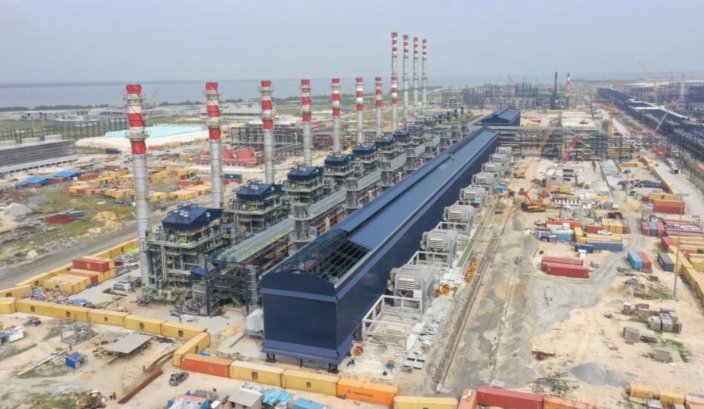
At the center of the expansion is the 650,000-barrels-per-day Dangote Petroleum Refinery. The facility will deploy technology from Honeywell International Inc. to produce 400,000 metric tons of linear alkylbenzene each year. This chemical, widely known as LAB, serves as a core ingredient in detergents and cleaning products.
The Dangote refinery petrochemicals push directly addresses a long-standing gap in Nigeria’s industrial base. The country relies heavily on imports for raw materials used in everyday consumer goods. Therefore, local LAB production could reduce import bills and support domestic manufacturing.
At the same time, the expansion connects Dangote’s operations to a fast-growing global market. Industry projections estimate the LAB sector could reach $11.5 billion by 2030. As a result, the refinery gains access to export opportunities while strengthening its local impact.
In addition, the Dangote refinery petrochemicals plan includes a second major project. The company has signed another agreement with Honeywell to produce 750,000 metric tons of propylene annually. This compound plays a critical role in plastics and industrial materials. Therefore, it expands the refinery’s reach beyond household products into broader manufacturing sectors.
Both projects are expected to reach completion within three years. Once operational, they will significantly increase the refinery’s output diversity. As a result, the facility will evolve from a fuel producer into a multi-product industrial hub.
The Dangote refinery petrochemicals expansion builds on earlier agreements with Honeywell. Last year, the partners outlined plans to double refining capacity to 1.4 million barrels per day by 2028. This long-term vision reflects Dangote’s strategy to scale operations aggressively.
So far, the group has invested heavily in industrial growth. Recent agreements in refining and petrochemicals are valued at around $750 million. In addition, Dangote has unveiled a broader $40 billion expansion plan for the next five years. Therefore, the petrochemicals push forms part of a much larger transformation.
The Dangote refinery petrochemicals initiative also aligns with the company’s revenue ambitions. Dangote aims to grow its business to $100 billion within four years. To achieve this, the group is diversifying across sectors, including fertiliser production and logistics infrastructure.
Beyond refining, expansion continues in other divisions. Dangote Cement Plc has signed a $1 billion deal with Sinoma International Engineering. The agreement will support new plants and upgrades across seven African countries. As a result, the group is strengthening its position across multiple industries.
The Dangote refinery petrochemicals move reflects a broader trend in African industrial policy. Governments and private firms are working to reduce dependence on imports. Instead, they aim to build local capacity in key sectors. Therefore, projects like this could reshape regional supply chains.
For Nigeria, the impact could be significant. Local production of LAB and propylene can support industries such as manufacturing, packaging, and consumer goods. In addition, it can create jobs and improve trade balances. As a result, the benefits extend beyond the energy sector.
However, execution remains critical. Large-scale industrial projects require efficient management and stable policy environments. Therefore, the success of the Dangote refinery petrochemicals strategy will depend on consistent delivery and market integration.
Looking ahead, the refinery’s expansion positions it as a key player in both regional and global markets. By combining refining with petrochemical production, Dangote is building a vertically integrated industrial ecosystem.
Ultimately, the Dangote refinery petrochemicals push represents more than a business expansion. It signals a shift toward industrial self-sufficiency and global competitiveness. If successful, it could redefine Nigeria’s role in the global energy and manufacturing landscape.