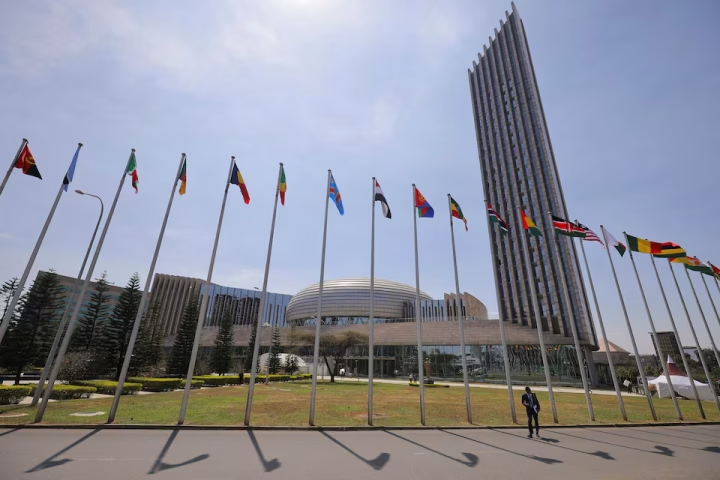
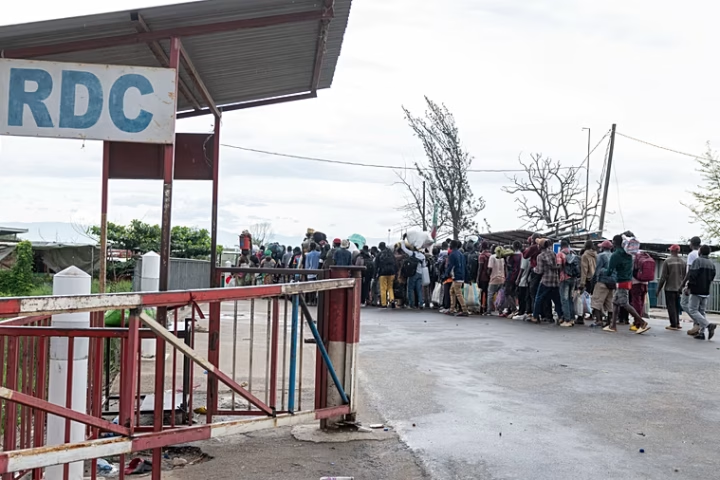
The Politics category on The African Wall Street covers the government decisions, public policies, elections, institutions, regulations, and geopolitical developments shaping Africa’s economic and business environment. This category focuses on politics as a force that influences markets, investment, trade, public finance, infrastructure, governance, and long-term development across the continent.
Political decisions affect nearly every part of the economy. Tax policy, budgets, debt management, trade rules, investment laws, energy policy, banking regulation, infrastructure spending, public procurement, and regional cooperation all shape how businesses operate and how investors assess risk. This section follows the leaders, institutions, parties, governments, and international partners whose decisions influence Africa’s economic direction.
Coverage includes elections, cabinet appointments, government reforms, legislative changes, fiscal policy, diplomacy, regional integration, public sector governance, anti-corruption efforts, trade negotiations, sanctions, security issues, and policy debates affecting business and finance. The category also examines how political stability, leadership transitions, regulation, and international relations influence investor confidence, currency markets, sovereign debt, and private sector growth.
The Politics section is designed for readers who want serious political coverage through an economic and institutional lens. It avoids noise and focuses on the decisions, risks, and policy shifts that matter to businesses, investors, policymakers, professionals, and informed citizens.
By covering politics as a driver of economic outcomes, The African Wall Street helps readers understand how power, policy, and governance shape markets and development. This category provides clear insight into the political forces influencing Africa’s business