Two of Zambia’s largest copper smelters and sulphuric acid producers will shut for extended maintenance later this year. Two industry sources confirmed the planned outages, which will further squeeze copper output and supplies of the chemical used to process copper and cobalt. The Iran war has disrupted global supplies of the critical acid and other leaching chemicals. Consequently, mines in neighbouring Congo, the world’s top cobalt and second-largest copper producer, have cut usage or are considering output cuts.
Copper smelters in Zambia, Africa’s No. 2 producer of the metal vital for clean energy technologies, generate about 2 million metric tons of sulphuric acid a year. Most of this acid serves as a byproduct used by local mines, the mines ministry says. Excess production is exported to the Democratic Republic of Congo. However, Zambia’s own sulphuric acid stocks have become so depleted that there is effectively no capacity to export, the Zambia head of Canada’s First Quantum Minerals told Reuters separately.
Mopani and Chambishi Face Extended Outages
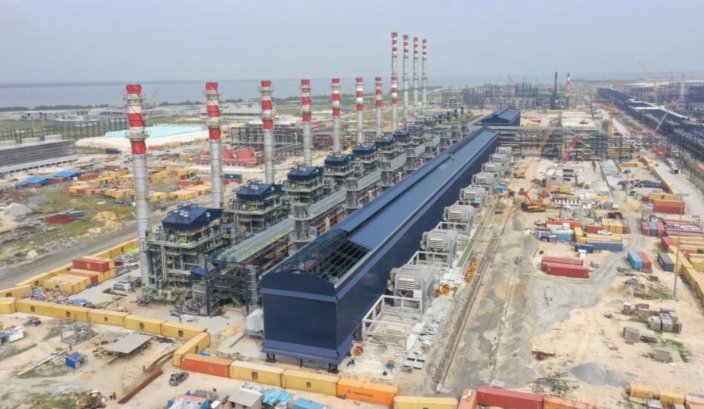
Although copper smelters typically shut annually for routine maintenance spanning about 30 days, Mopani and Chambishi face longer outages this year. Chambishi is 85% owned by China Nonferrous Metal Mining Group. Mopani has not undergone proper maintenance for some time. It is scheduled to close for three days in June, followed by an extended shutdown of about 40 to 45 days between August and mid-September, a mining executive told Reuters.
Chambishi is scheduled to shut down for about two months through August, the chemicals trader said. The source did not elaborate on what prompted the planned extended outage. Mopani and Chambishi officials did not respond to Reuters requests for comment. The sources asked for anonymity because they were not authorized to speak on the matter. Therefore, the Zambia copper smelters shutdown will remove significant production capacity from the market.
Zambia tightened controls of sulphuric acid exports this month. Traders must now secure permits for any foreign shipments. The government said the move aimed at protecting local industry. The measures are fair, but exports are unlikely in the near term, Anthony Mukutuma, First Quantum’s country director in Zambia, told Reuters.
Global Copper Supply Tightens Further
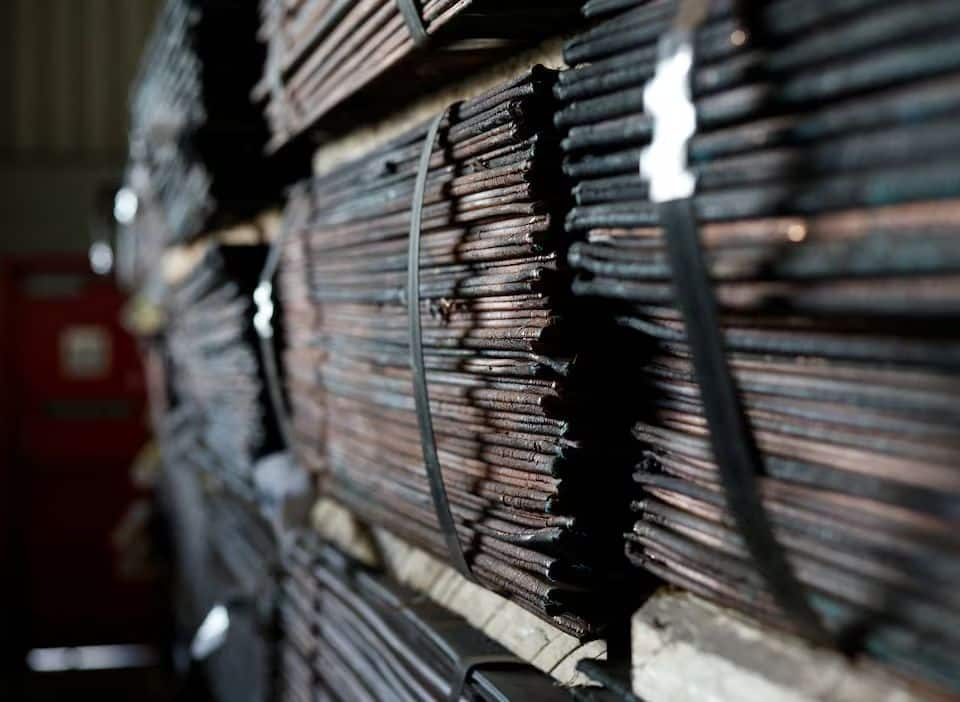
Global copper supply will tighten this year after years of underinvestment constrained mine output growth. Zambia produced 890,346 tons of the red metal last year, below its 1 million-ton target. Congo’s copper exports, meanwhile, fell in the first quarter of this year, according to shipping data seen by Reuters. The Zambia copper smelters shutdown will exacerbate these supply constraints.
Mopani is operating well below its 225,000-metric-ton finished copper capacity. Years of underinvestment left the smelter short of copper concentrate, the mining executive said. The majority owner, UAE’s International Resources Holding, is developing and mining concurrently. This approach forces intermittent stoppages and further constrains output. Therefore, even without the extended maintenance, Mopani would struggle to meet capacity.
The Iran war has disrupted global supply chains for sulphuric acid and other leaching chemicals. Acid is essential for processing oxide copper ores, which are common in Zambia and Congo. Without reliable acid supplies, mines cannot operate at full capacity. Some Congo mines have already reduced chemical usage. Others are considering output cuts if the shortage persists.
The Zambia copper smelters shutdown will remove both copper production and acid supply from the market. Mines that rely on acid from these smelters will need alternative sources. However, global acid supplies remain tight due to the war. Shipping costs have also risen dramatically. Therefore, local mines may face difficult decisions about whether to continue operating.
The mining ministry did not immediately respond to Reuters requests for comment. The government’s new export permit system aims to prioritize local users. However, if smelters shut down, there will be no acid to allocate. The coming months will determine how severe the supply crunch becomes. The Zambia copper smelters shutdown will be a key event for global copper markets in the second half of 2026. Investors and industrial users should monitor maintenance schedules closely. Any extension of the planned outages could push copper prices higher.