Nigeria stands as Africa’s largest economy, driven by a powerful combination of oil production, a fast-expanding agricultural sector, and one of the continent’s most dynamic telecommunications industries. With a population of over 220 million people, abundant natural resources, and a rapidly transforming digital landscape, Nigeria continues to shape economic trends across West Africa and the wider continent. Because its economic pillars are deeply interconnected, the country’s growth influences regional trade, investment flows, and technological innovation. As global markets evolve, Nigeria’s economic performance remains central to Africa’s long-term development trajectory.
Oil and Gas: The Backbone of Nigeria’s Economic Strength
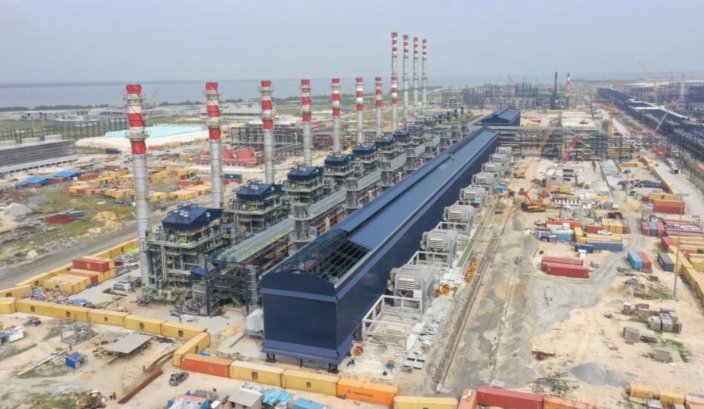
Oil remains Nigeria’s most influential economic engine. Since the discovery of crude oil in the Niger Delta, the country has become a major global exporter and one of OPEC’s most important members. Revenue from oil contributes significantly to government income, foreign exchange reserves, and large-scale infrastructure development. Nigeria holds some of Africa’s largest proven oil and gas reserves, allowing it to maintain strong export partnerships with Europe, Asia, and North America.
In addition, Nigeria’s liquefied natural gas sector continues to expand, providing alternative revenue streams and strengthening the country’s position in global energy markets. Despite challenges—including oil theft, pipeline damage, and price volatility—the sector remains a critical component of Nigeria’s economic identity. Efforts to modernize refineries, reduce crude oil exports, and expand domestic processing capacity could further boost long-term economic resilience.
Agriculture: A Growing Force Supporting Food Security and Rural Development
While oil dominates Nigeria’s export revenue, agriculture employs millions of Nigerians and plays a crucial role in national stability. The country possesses vast arable land, favorable climates, and diverse agricultural zones that support crops such as cassava, maize, yams, cocoa, sorghum, rice, and palm oil. Livestock farming and fisheries also contribute significantly to rural livelihoods.
Agriculture remains one of Nigeria’s most promising growth sectors because the country’s population continues to expand, increasing demand for food production. Government programs promoting mechanization, irrigation, fertilizer use, and rural financing are steadily improving yields. Moreover, investment in agri-processing, storage facilities, and modern value-chain management is helping reduce food imports. With improved infrastructure and technology adoption, agriculture could become one of the most powerful engines of Nigeria’s future economic transformation.
Telecommunications: Driving Digital Inclusion and Economic Modernization
Nigeria’s telecommunications industry has grown into one of Africa’s largest and most sophisticated digital markets. With over 200 million mobile subscriptions and rapidly increasing internet penetration, telecoms play a central role in shaping the modern Nigerian economy. Major operators have expanded 4G and 5G networks, connecting millions of people, supporting online businesses, and strengthening the country’s digital ecosystem.
Fintech innovations such as mobile money, digital payments, and online lending platforms have revolutionized commerce, enabling Nigerians to access financial services more easily. Additionally, digital startups in Lagos, Abuja, and Port Harcourt are attracting global venture capital interest. Because connectivity drives job creation and digital inclusion, the telecom sector remains essential to Nigeria’s long-term prosperity.
Diversification Efforts Aim to Reduce Oil Dependence
Nigeria recognizes the importance of diversifying its economy beyond oil. The country is investing in manufacturing, entertainment, financial services, real estate, and renewable energy. Nollywood—Nigeria’s film industry—has become one of the biggest in the world, contributing significantly to GDP and creating global cultural influence. The financial sector, led by major banks and fintech firms, continues to expand rapidly, strengthening the country’s role in African capital markets.
In addition, government policies promoting mining, industrial parks, and export-focused manufacturing aim to reduce reliance on imported goods. Nigeria’s strategic location, large population, and entrepreneurial culture give it a strong advantage as it works to build a more balanced economic structure.
Challenges That Shape Nigeria’s Economic Outlook
Despite its strengths, Nigeria faces challenges that influence its economic performance. Inflation, infrastructure deficits, power shortages, and security issues affect business growth. Unemployment and dependence on oil revenue also present long-term concerns. However, ongoing reforms—such as currency stabilization efforts, investment in power generation, improvements in ease of doing business, and large-scale infrastructure projects—continue shaping a path toward stability. Stronger private-sector participation and better governance could accelerate economic resilience in the coming years.
A Regional Powerhouse With Global Potential
Nigeria’s position as Africa’s largest economy is not only a reflection of its population size and natural resources but also a testament to its innovative spirit and expanding digital economy. Oil continues to anchor national revenue, agriculture feeds millions and sustains rural communities, while the telecom sector drives modernization and global connectivity. As Nigeria adapts to global economic shifts and enhances its diversification efforts, it will remain a central force in shaping Africa’s economic future.
With strategic investment, improved infrastructure, and continued digital transformation, Nigeria is poised to strengthen its position as a global economic player in the decades ahead.