Nigeria import duties are set for major cuts as the government moves to ease inflation and reduce living costs. The policy takes effect on July 1 and targets key sectors. It aims to lower the price of food, vehicles, and industrial inputs across the country.
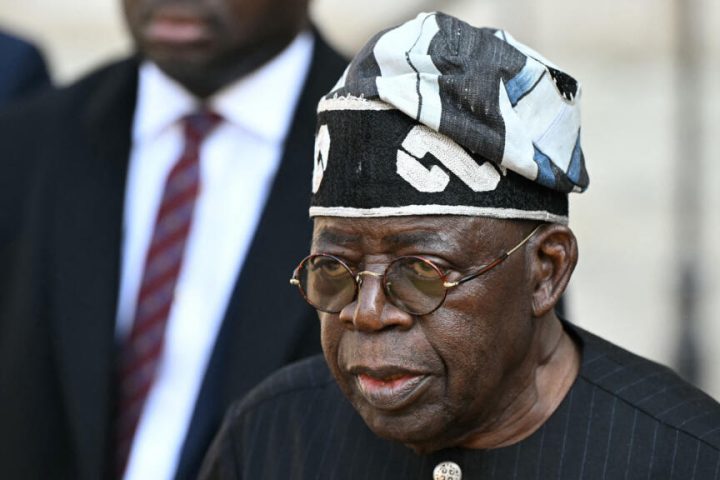
The announcement came from the media team of Bola Ahmed Tinubu. Officials said the move forms part of a broader strategy to stabilize the economy. It also seeks to support households and businesses under pressure.
The new plan reduces tariffs on several essential goods. These include rice, sugar, palm oil, and passenger vehicles. Construction materials will also see lower duties. In addition, the government will fully exempt electric vehicles, mass transit buses, and key manufacturing machinery.
Under the updated structure, duties on passenger vehicles will drop to 40 percent. Bulk rice tariffs will fall to 47.5 percent. Raw sugar cane duties will range between 55 percent and 57.5 percent. Palm oil levies will decrease to 28.75 percent from 35 percent.
The Nigeria import duties reform aims to cut the cost of basic goods. Officials believe it will reduce pressure on household budgets. Lower input costs should also help businesses operate more efficiently.
Inflation has shown signs of easing, but it remains a concern. Data shows inflation fell to 15.06 percent in February. It had peaked at about 33 percent in December 2024. Despite the drop, prices remain high by regional standards.
Recent global developments have added new pressure. The ongoing Iran war has pushed up fuel prices. According to the World Bank, this has complicated Nigeria’s recovery efforts.
Fuel costs have surged sharply in recent months. Petrol prices have risen by more than 50 percent. They now stand at about 1,330 naira per litre. Diesel prices have climbed even higher, increasing by over 70 percent.
These increases have affected transport and manufacturing. Small businesses have also felt the impact. Higher fuel costs raise the price of goods and services across the economy.
The Nigeria import duties cuts are designed to offset these pressures. By lowering tariffs, the government hopes to reduce overall costs. This approach targets both supply chains and consumer prices.
Finance Minister Wale Edun confirmed the broader strategy. He said the government will seek financial support from global partners. Discussions are expected during the IMF and World Bank Spring meetings.
The government sees this policy as part of wider reforms. These reforms aim to strengthen economic resilience. They also focus on improving long-term growth and stability.
Businesses are likely to benefit from cheaper inputs. Lower costs for machinery and materials can boost production. This may lead to more jobs and improved output across sectors.
Consumers should also see some relief. Lower tariffs on food items can reduce market prices. This could help ease the burden on households already facing high living costs.
However, some analysts remain cautious. They note that tariff cuts alone may not solve inflation. Structural challenges in supply chains still exist. Exchange rate pressures also play a role.
Even so, the Nigeria import duties policy signals a clear direction. The government is focusing on cost reduction and economic support. It aims to balance fiscal discipline with immediate relief measures.
The coming months will test the impact of these changes. If successful, the policy could help stabilize prices. It may also restore confidence in Nigeria’s economic management.
In the end, the Nigeria import duties cuts reflect a strategic shift. The government is responding to both local and global pressures. While challenges remain, the move offers a path toward easing inflation and supporting growth.