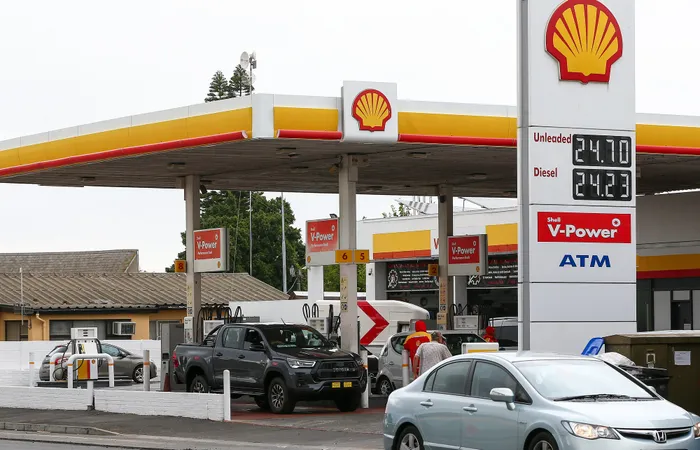
Shell South Africa sale discussions have advanced, as the energy giant explores a possible exit from its retail fuel network. As a result, the deal could reach about $1 billion and reflects a broader shift in strategy.
According to reports, Shell plc is in advanced talks with Abu Dhabi National Oil Company. Specifically, the negotiations focus on selling Shell’s fuel station network in South Africa. Moreover, sources familiar with the matter suggest both sides are moving closer to an agreement.
At the same time, the potential transaction highlights a growing trend. In recent years, major oil companies have started reassessing their downstream operations. For example, retail fuel stations provide stable returns, but they also require significant investment and local management.
For Shell, the Shell South Africa sale could free up capital. Consequently, the company can redirect funds into cleaner energy and higher-margin projects. In addition, this move aligns with its global transition strategy, which aims to balance traditional oil operations with renewable investments.
On the other hand, ADNOC is expanding its global footprint. Therefore, the company has been actively searching for assets outside the Middle East. If completed, this acquisition would strengthen its presence in Africa’s energy market.
Meanwhile, South Africa remains one of the continent’s largest fuel markets. As a result, demand for petrol and diesel continues to grow despite global energy shifts. For this reason, the retail sector remains attractive for investors seeking stable cash flow.
Furthermore, the Shell South Africa sale reflects changing dynamics in the global oil industry. In the past, companies focused mainly on production. However, they are now optimizing portfolios to match long-term trends and market realities.
If the deal goes through, ADNOC would gain a strong entry point. In turn, it would access an established network of fuel stations and a loyal customer base. Subsequently, this could support further expansion across Africa.
For Shell, exiting the retail segment may reduce operational complexity. As a result, the company can focus on priority areas. These include energy transition projects and upstream operations.
Notably, the timing of the Shell South Africa sale is significant. Currently, energy companies face pressure from investors and regulators. Therefore, they must balance profitability with sustainability goals. In response, many firms are selling non-core assets.
However, the deal is not yet confirmed. Reuters reported that it could not immediately verify the Bloomberg News report. Thus, negotiations remain ongoing and subject to change.
Even so, market analysts are watching closely. If completed, a $1 billion transaction would signal strong confidence in Africa’s fuel retail sector. Additionally, it would highlight the growing role of Middle Eastern investors in global energy markets.
Looking ahead, the outcome of the Shell South Africa sale could influence similar deals. For instance, other oil majors may consider selling retail assets in emerging markets. At the same time, buyers like ADNOC could continue expanding aggressively.
In conclusion, the potential deal underscores a key shift in the industry. Overall, oil companies are reshaping their portfolios to stay competitive. Ultimately, the Shell South Africa sale may become a defining example of this transition.