Developing country policymakers left this week’s IMF-World Bank meetings more frustrated than ever. Successive external shocks are derailing their efforts to tackle high debt, reform their economies, and deliver better lives for millions of citizens now struggling to pay for food and fuel. However, some officials and economists say this crisis could be the tipping point. It might drive countries to take more independent and regionally coordinated action. Therefore, the developing nations permacrisis may finally spur meaningful change.
The Iran war and the meteoric spikes it caused in oil and fertilizer prices will weigh on global growth. These factors will also drive up inflation, even if the conflict ends soon, the IMF and World Bank said. The war threatens to blow out the fiscal balances of countries that had just gotten back on track after debt default, such as Zambia and Sri Lanka. It is also eating into the buffers others built after the pandemic, the Russia-Ukraine war, and then U.S. trade tariffs upended their economies. Kenya last week became the first larger emerging economy to publicly confirm it formally requested emergency funds from the World Bank.
Repeated Shocks Exhaust Developing Economies
“It’s like you got hit in the head many times. Once you got up and then you got hit again,” Chayawadee Chai-anant, assistant governor of Thailand’s central bank, told Reuters. Her words capture the exhaustion felt across the developing world. The IMF has lowered its 2026 growth forecast for emerging nations to 3.9% from 4.2% in January 2026. However, those projections could worsen if the war persists.
Reza Baqir, head of sovereign advisory services at Alvarez & Marsal, said countries making painful reforms are now left scrambling. Fiscal balances destroyed by yet another crisis not of their making have erased hard-won progress. “It’s a depressing mood, and it is also a repeated demonstration of the consequences on bystanders,” Baqir told Reuters. The developing nations permacrisis thus punishes countries that did nothing to cause the conflict.
Nigeria and Kenya Feel the Pain
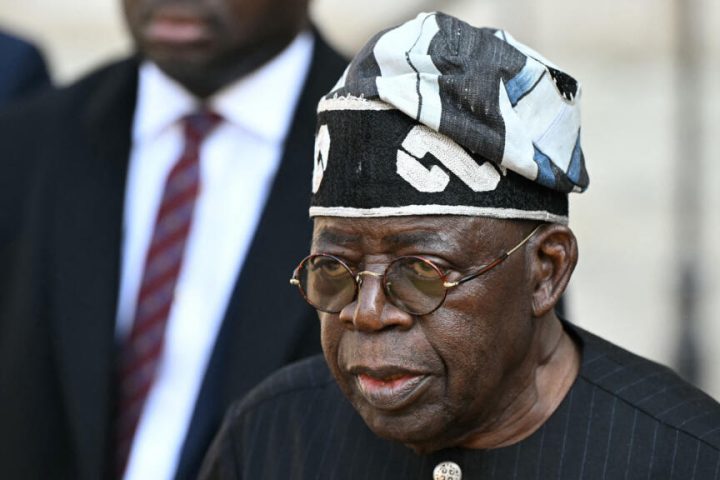
Nigeria offers a clear example of the developing nations permacrisis. In the past three years, it has removed costly fuel subsidies, eased foreign exchange rules, and streamlined regulations to draw foreign investor cash. “We find that we are doing all we can, and it is shock after shock, externally and exogenously created,” Nigerian Finance Minister Wale Edun told Reuters. “That sort of takes away from achievements and from our progress.”
Kenya’s Central Bank Governor Kamau Thugge told Reuters that before the Middle East war began, the country had stabilized its economy. Inflation was under control, and the economic stimulus from rate cuts was emerging. The war, though, paused the bank’s easing cycle, boosted all costs, and threw previous forecasts into doubt. “It’s a bit frustrating,” he told Reuters.
Josh Lipsky, director of economic affairs at the Atlantic Council, said conversations with dozens of other financial leaders showed their patience wearing thin. “I sense the frustration they can’t actually deal with the big challenges they want to deal with. They want to talk debt. They want to talk about these things that define the decade. But every meeting is just a crisis.”
IMF and World Bank Offer Limited Solutions
The IMF and World Bank offered few solutions during the week. Top leaders instead cautioned countries against using energy subsidies to shield citizens. They acknowledged that the latest hike in energy and food prices could well foment social unrest and outward migration. IMF Managing Director Kristalina Georgieva said 12 or more countries are seeking loans to help weather the shock. She estimated demand of $20 billion to $50 billion, depending on the war’s duration.
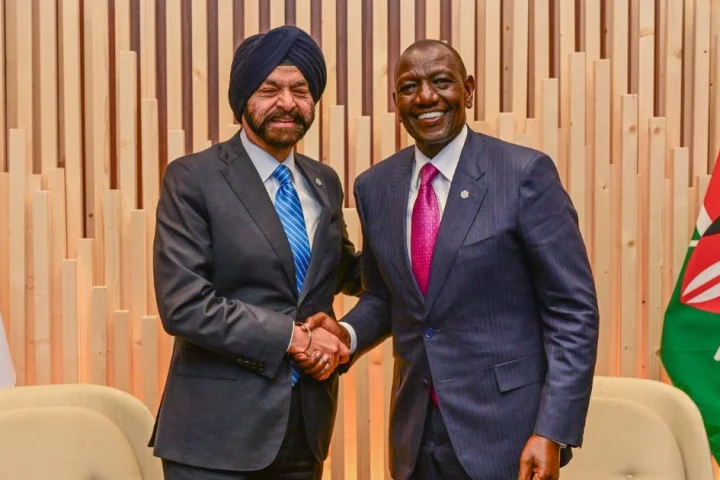
The World Bank said countries could tap up to $25 billion in crisis response funds quickly, with up to $60 billion available over six months. Two days into the meetings, World Bank President Ajay Banga said the Bank could make up to $100 billion available by year’s end if needed, by restructuring its balance sheet. However, neither the IMF nor the Group of 20 major economies offered any new instruments like those deployed during the COVID pandemic.
“What we saw this week was the Bank and the Fund effectively saying, ‘Don’t worry, we can do what we’ve done in the past,’” said Christina Segal-Knowles, a former senior White House official now with the Rockefeller Foundation. “But you have a set of countries that are still vulnerable. Those tools have not put these countries back in a place where they’re sustainable.”
Calls for Self-Reliance and Regional Integration
Edun, who also chairs the G-24 group of developing nations, called on the institutions to do more. He noted that amid drastic aid cuts and falling official development assistance, developing nations need to focus on “self help, self reliance” and integration within regions. More trade on the African continent offers one pathway. “I think the most important lesson is that there has to be a reliance on domestic resource mobilization within these countries,” he said.
Officials from Africa, Asia, and Latin America said leaders in their regions are looking to boost resilience to future energy shocks. They plan to shift resources into renewable energy and take advantage of critical minerals to boost growth and create jobs. Albert Park, chief economist of the Asian Development Bank, said Asian economies are racing to protect themselves. Vietnam and Indonesia have already announced new investments in renewable energy. Others will likely follow.
However, leaders are under pressure to act quickly, even as they look for lasting solutions. World Bank forecasts show that a prolonged war could push an additional 50 million people into acute food insecurity. Some 10-15 million jobs could be lost in the near term alone. “The cushion has been quite low, because it’s never recovered back all the way, so it’s thinner and thinner,” Thailand’s Chai-anant told Reuters. “That’s why this crisis, I think it’s going to be more widespread.” The developing nations permacrisis thus demands urgent action before the next shock arrives.