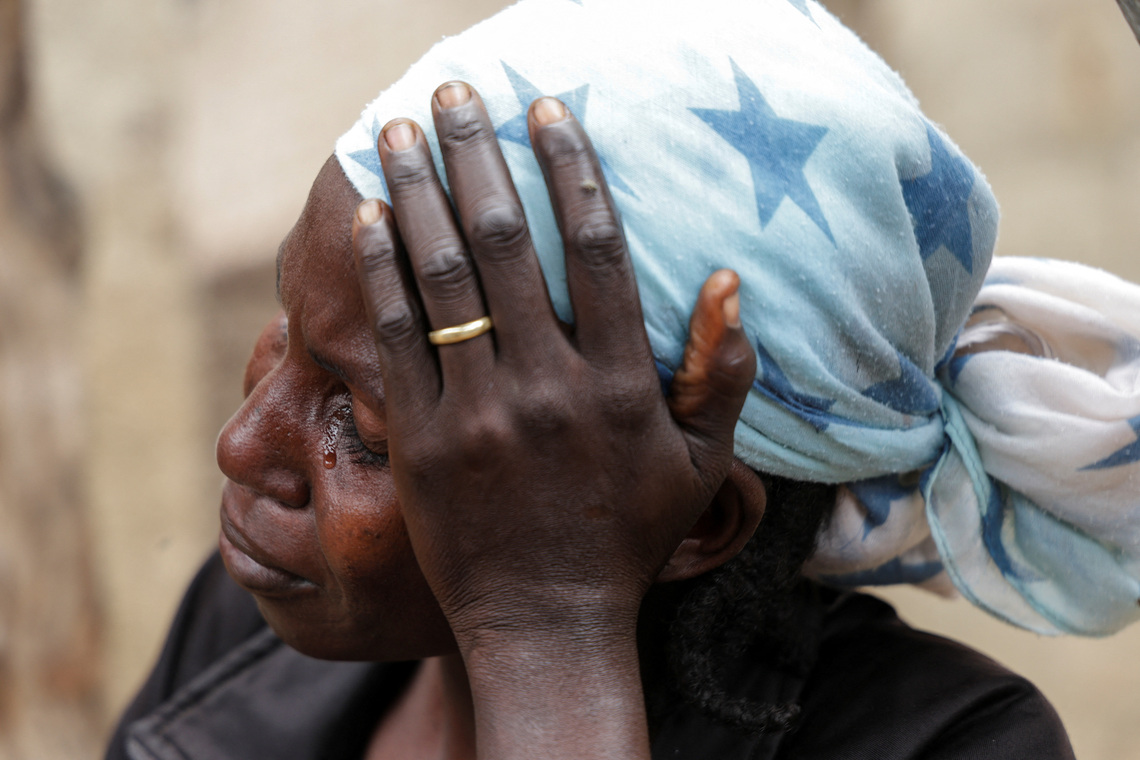
Cameroon is facing a surge in malaria-related deaths after recent U.S. aid reductions, raising alarm among health officials and international partners.
According to local health authorities, the decline in U.S. funding—which previously supported nationwide mosquito net distribution and antimalarial drug programs—has severely affected prevention and treatment efforts. As a result, hospitals are reporting an increase in severe malaria cases, particularly among children and pregnant women.
The U.S. President’s Malaria Initiative (PMI) had been a major contributor to Cameroon’s malaria control strategy, providing millions of treated bed nets, diagnostic kits, and medication. However, budget cuts and shifting priorities in foreign aid have disrupted these programs since early 2024.
Health experts warn that the withdrawal of funding has created critical shortages in essential supplies. Consequently, rural clinics are struggling to maintain services, and community outreach programs have been scaled back.
Dr. Jean Bosco, a public health specialist in Yaoundé, said, “The reduction in U.S. support has left a serious gap. We are witnessing more preventable deaths simply because families can no longer access free or subsidized treatment.”
Meanwhile, international NGOs are urging donors to step in and fill the funding gap. The World Health Organization (WHO) has also called for emergency measures to prevent a nationwide health crisis.
Cameroon already ranks among the countries with the highest malaria burden in Africa. Without immediate intervention, experts fear the progress achieved over the past decade could be reversed.
The Ministry of Health is now seeking alternative partnerships and domestic funding solutions to sustain life-saving programs.