A new Nigeria oil discovery is boosting the country’s energy revival. Specifically, the Awodi-07 well—drilled by Chevron Nigeria Limited (CNL) in partnership with NNPC Ltd—has confirmed hydrocarbons across multiple reservoir zones in shallow offshore waters. Although commercial volumes remain undisclosed, the find clearly marks a significant exploration success.
According to NNPC spokesperson Andy Odeh, the drilling forms part of the joint venture’s ongoing effort to better define its asset potential. Moreover, this work comes at a crucial time, as Nigeria seeks to lock in its recent production gains. For years, output had declined due to oil theft, pipeline vandalism, and chronic underinvestment.
Now, however, the tide appears to be turning. In 2025, Nigeria’s production rose to 1.7–1.8 million barrels per day. As a result, it has maintained its lead over Angola as Africa’s top oil producer. Meanwhile, Angola’s output continues to fall, largely because of aging fields and limited investment.
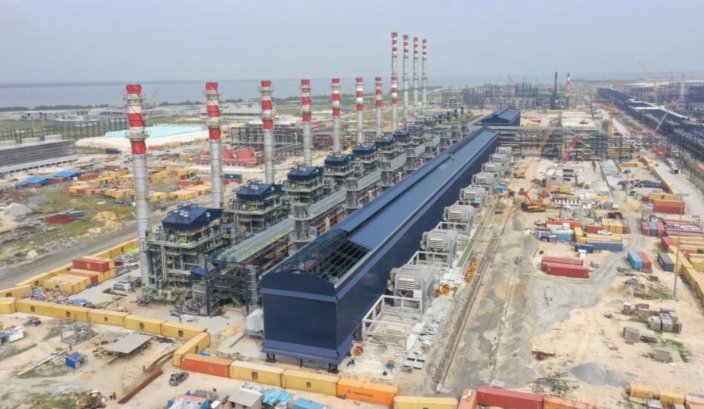
But Nigeria’s resurgence isn’t just about upstream activity. Equally important is what’s happening downstream. The $20 billion Dangote Petroleum Refinery—the largest in Africa—is now operational. With a capacity of 650,000 barrels per day, it already supplies petrol, diesel, and aviation fuel to the domestic market. Consequently, Nigeria’s reliance on expensive fuel imports has dropped sharply.
Experts emphasize that discoveries like Awodi-07 are essential to sustaining this shift. Why? Because they provide the crude needed to keep the refinery running at scale. In turn, this allows Nigeria to capture more value locally—rather than exporting raw oil only to re-import refined products at higher costs.
The economic benefits are substantial. For instance, the Dangote Refinery alone could save Nigeria billions of dollars in foreign exchange annually. At the same time, it helps stabilize fuel availability—a long-standing challenge for households and businesses alike.
This integrated approach truly sets Nigeria apart from its peers. By contrast, Angola remains heavily dependent on crude exports and lacks major refining capacity. Similarly, Ghana and Equatorial Guinea operate smaller upstream sectors. Furthermore, emerging producers like Namibia are still years away from first oil.
Therefore, with proven reserves, rising output, and expanding refining infrastructure, Nigeria now occupies a unique position in Africa’s energy landscape. While the Nigeria oil discovery at Awodi-07 is just one piece of the puzzle, it signals growing momentum—and a more self-reliant energy future.
READ: Angola Targets $1.7B in International Bond Issuance for 2026