Over the past decade, many observers argue that Western influence on African democracy is weakening. The West still funds aid programs and sends election observers, but the global power balance is shifting. New political forces, regional ambitions, and changing local expectations are redefining how democracy evolves on the continent.
Shifting Global Dynamics and African Autonomy
African nations are more assertive today than they were two decades ago. They are forging partnerships that prioritize economic growth, digital transformation, and infrastructure over political alignment. Many leaders now seek balanced relations with both Western and non-Western powers.
At the same time, public opinion has become more critical of Western involvement. Citizens want democracy that reflects African realities, not one modeled solely after Western systems. This change signals a growing desire for political independence and home-grown governance.
Key Trends in the Decline of Western Influence
1. Aid Cuts and Softer Conditions
In 2025, the United States reduced foreign aid budgets, affecting several African countries. Analysts saw this as evidence that Western governments are losing interest in funding democracy programs.
Aid once came with clear political conditions—respect human rights, ensure free elections, and uphold rule of law. Today, those conditions are often less strict. Some authoritarian regimes continue to receive financial or military support despite poor human rights records.
This shift weakens Western leverage over governance standards. It also allows governments to turn to new partners for funding, often without reform commitments.
2. Democratic Fatigue and Public Frustration
Afrobarometer’s African Insights 2024 survey shows that most Africans still support democracy, but confidence in its effectiveness is falling. People question whether elections change anything or whether their leaders respect civil liberties.
Military coups in West Africa, arrests of opposition figures, and restrictions on press freedom have fueled disillusionment. Citizens want results—jobs, healthcare, and security—more than rhetoric about governance. When democracy fails to deliver, its defenders lose credibility.
3. Rise of Non-Western Partners
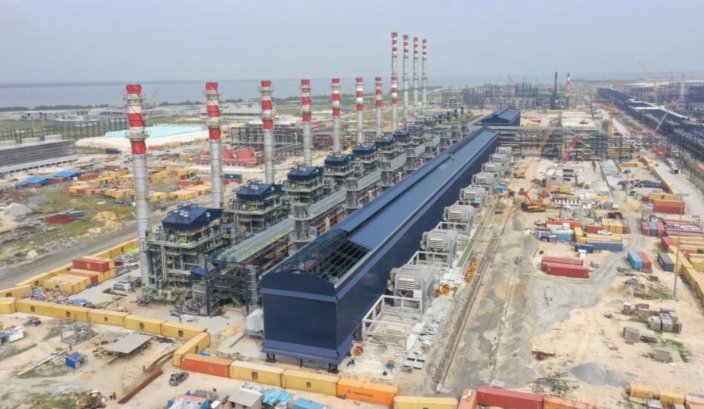
China, Russia, India, and Turkey now play a bigger role in Africa’s development. They invest in roads, ports, and digital networks while avoiding political lectures. This “no-strings-attached” approach appeals to many African governments.
Russia’s growing military footprint and China’s Belt and Road projects are reshaping the continent’s geopolitical landscape. These new partnerships provide economic and security alternatives that weaken Western dominance.
4. Local Control and Home-Grown Democracy
Former Nigerian president Olusegun Obasanjo argues that democracy must reflect local cultures and histories. Copying Western models, he says, often leads to fragile institutions and weak legitimacy.
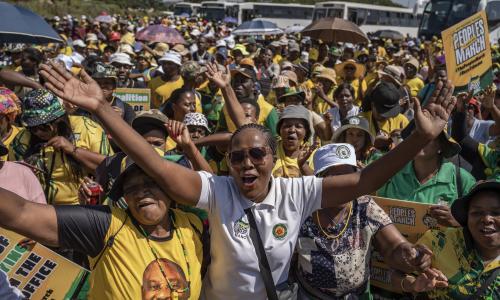
Many civil society groups echo that sentiment. They want citizen-driven reform instead of external pressure. Youth-led protests and social media activism in Sudan, Nigeria, and Kenya show that Africans are demanding accountability on their own terms.
Why Western Influence Is Declining
Geopolitical Competition
China and Russia offer deals without political conditions. They fund infrastructure, arms, and digital projects, giving African leaders leverage to resist Western demands.
Western Credibility Crisis
Critics accuse Western nations of hypocrisy. They often tolerate autocratic allies who serve strategic or economic interests. Internal political turmoil in the U.S. and Europe further undermines their moral authority.
Economic and Social Disappointment
Many Africans feel democracy hasn’t improved their lives. Corruption, unemployment, and poor public services persist. This frustration drives support for “strong leaders” who promise action over dialogue.
Security First, Democracy Later
Frequent coups and terrorist threats push governments to prioritize stability. Western countries often accept these compromises in exchange for cooperation on counterterrorism.
The Information War
Propaganda, fake news, and digital manipulation spread fast. Competing narratives from Russia, China, and local influencers weaken Western messaging and democracy promotion efforts.
Western Influence Still Matters
Despite the decline, Western engagement continues to shape African politics in several ways.
1. Election Monitoring and Sanctions
The European Union, U.S., and Commonwealth still send observer missions and impose sanctions when elections are fraudulent. These actions may not stop misconduct entirely, but they raise costs for violators.
2. Financial Dependency
Many African states still rely on Western loans, grants, and NGO funding. Donors continue to support media freedom, civil rights, and anti-corruption programs.
3. Public Preference for Democracy
Polls show most Africans reject military rule and still believe democracy is the best system—even if imperfect. The idea of citizen participation remains powerful.
4. Internal Democratic Movements
Grassroots organizations and reformers continue to push for accountability and transparent governance. They often use Western tools—like social media and human rights frameworks—to support local causes.
Risks of a Weaker Western Role
The decline in Western influence could lead to several negative outcomes:
- Authoritarian Drift: Leaders may extend term limits or suppress opposition without fear of losing aid.
- Reduced Freedoms: Media censorship and judicial control could grow unchecked.
- Political Instability: Lack of accountability can lead to protests, unrest, or coups.
- Foreign Dependence: Greater reliance on non-Western powers may trade one form of influence for another.
Future Possibilities for African Democracy
1. Local Renewal
Africans may rebuild democracy from within—guided by local traditions, strong institutions, and youth participation. This approach could produce systems that feel more authentic and stable.
2. Multipolar Partnerships
Africa could embrace multiple partners instead of relying on the West alone. Balanced diplomacy may allow countries to negotiate better deals and safeguard independence.
3. Regional Oversight
Continental bodies like the African Union (AU) and ECOWAS could take stronger roles in defending democracy and mediating political crises.
4. Democracy as an Economic Asset
Countries with transparent governance and rule of law may attract more investment, especially from companies prioritizing ethical and ESG standards.
5. Risk of Backsliding
Without reform and accountability, some states may slide into long-term authoritarianism or military rule.
Conclusion
Western influence on African democracy is fading—but democracy itself is not. Africans increasingly demand systems that reflect their values, cultures, and aspirations.
The West remains a partner, but no longer the sole driver. As Africa enters a multipolar era, the future of its democracy depends less on outside powers and more on internal leadership, civic engagement, and collective resilience.
The next decade will test whether Africa can transform this moment of transition into one of genuine democratic renewal.