China, Russia and Iran conduct joint naval exercises with South Africa amid rising global tensions
BRICS naval drills involving China, Russia, and Iran have begun off the South African coast. These exercises draw global attention as geopolitical tensions escalate. The week-long maneuvers take place near Cape Town amid strained relations between South Africa and the United States.
China leads the drills while South Africa serves as the host. Russia and Iran have also sent assets to participate. South African defense officials state the exercises focus on maritime safety, search and rescue, and anti-piracy. These drills will continue through next week.
China and Russia founded the BRICS alliance, while Iran officially joined in 2024. Officials initially planned the drills for late last year. However, they postponed them to avoid diplomatic friction during South Africa’s G20 summit hosting.
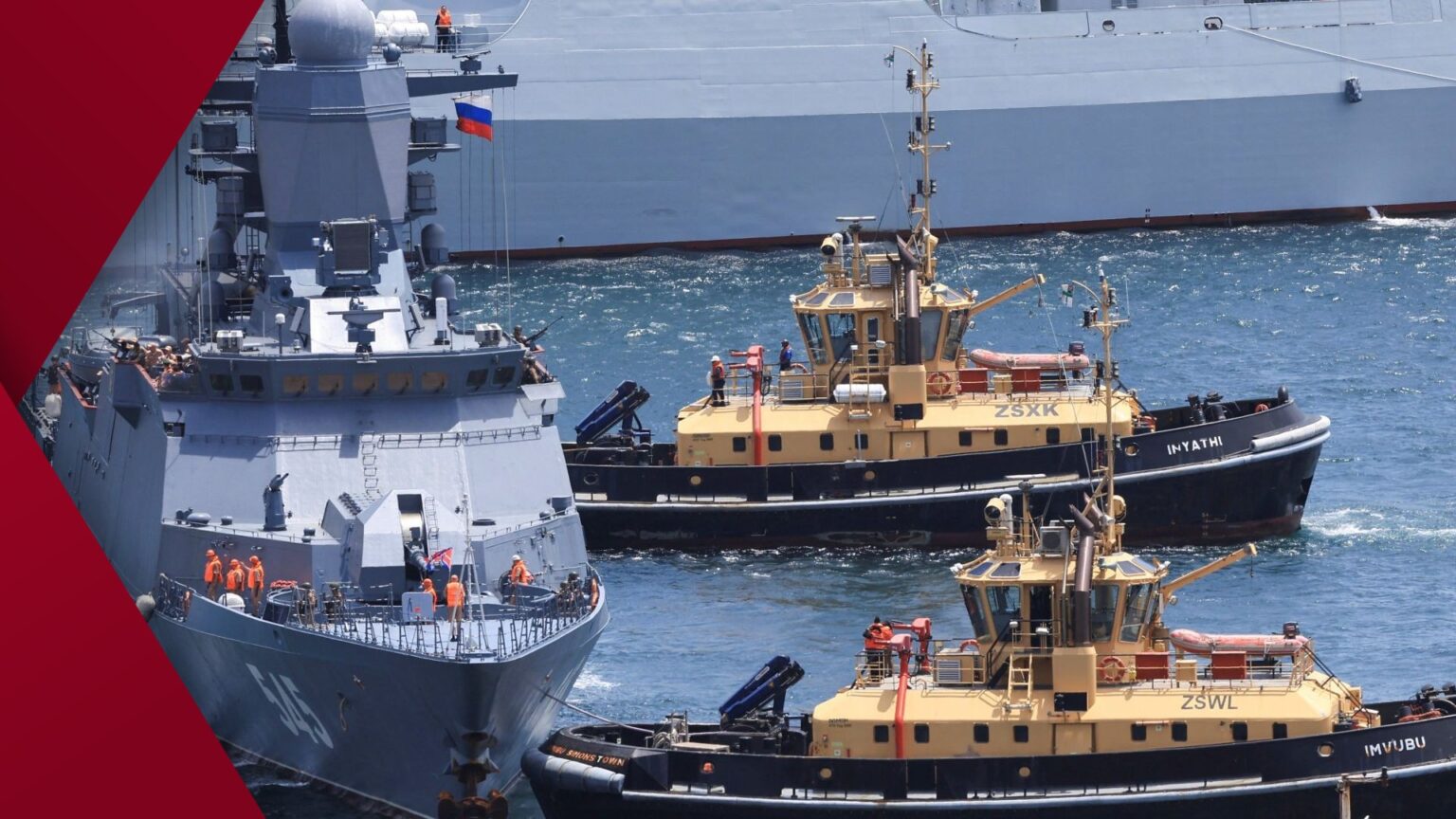
Warships from all three nations now operate near Simon’s Town. This site houses South Africa’s primary naval base where the Indian and Atlantic oceans meet. China deployed a large guided-missile destroyer for the event. Russia sent a frigate and a supply tanker. Meanwhile, Iran maintains a naval presence despite ongoing internal protests against its leadership.
South African officials have not yet confirmed if other BRICS members, like Brazil or India, will join.
The drills will likely complicate relations between South Africa and the United States. Washington recently criticized Pretoria’s growing military ties with sanctioned nations like Russia and Iran.
U.S. President Donald Trump accused South Africa of supporting “destabilizing actors” on the global stage. Consequently, the U.S. administration reduced financial support to South Africa earlier this year. Washington cited Pretoria’s ties with Tehran and Moscow as a primary concern. China and Russia frequently use BRICS to challenge Western influence and offer an alternative voice for emerging economies.
South Africa defends its nonaligned foreign policy. It claims it does not side with any global power bloc. Nevertheless, military cooperation with Russia remains controversial. In 2023, U.S. officials alleged that South Africa loaded weapons onto a sanctioned Russian vessel at Simon’s Town. Pretoria denied the accusation.
The latest drills also face domestic criticism. The Democratic Alliance, the country’s second-largest party, strongly opposes hosting sanctioned nations. This party argues that the “BRICS cooperation” label merely hides a move toward closer military alignment with Russia and Iran.
As global tensions rise, these drills highlight shifting international alliances. They also spotlight South Africa’s complex diplomatic position. While the government insists on neutrality, its actions draw heavy scrutiny from both international partners and domestic groups. These exercises prove that military cooperation among emerging powers is now a significant factor in global geopolitics.