Since the COVID-19 pandemic, remote work has become a reality for millions of people around the world. As the world of work has evolved, many have embraced the freedom of working from anywhere — whether it’s from a cozy home office, a bustling café, or even a beach in an exotic location. Countries across Europe are seizing the opportunity to capitalize on this shift in working patterns by offering Digital Nomad Visas, which allow remote workers from outside the EU to live and work in their countries while continuing to work for foreign employers or clients. These visas provide an exciting opportunity for non-EU citizens to combine travel, work, and residence in some of the most desirable destinations in Europe.
If you’re dreaming of living in Europe, working remotely, and having access to the Schengen Area — the area comprising 27 European countries with visa-free travel — a Digital Nomad Visa might be just the solution. In this article, we take a closer look at some of the most attractive digital nomad visa options available across Europe, along with their requirements, benefits, and the best destinations for remote workers.
What is a Digital Nomad Visa?
A digital nomad visa is a special residency permit designed for remote workers, freelancers, and business owners who can work from anywhere and earn their income outside of the country in which they’re applying for the visa. The visa typically allows you to stay for a specific period — usually between one and two years — and in some cases, may even provide a pathway to permanent residency or citizenship. Digital nomad visas typically come with certain requirements regarding income, proof of remote work, and health insurance.
For people who want to work remotely while traveling and living in Europe, these visas provide an excellent opportunity to enjoy both freedom and legal protection as you go about your professional life. Additionally, these visas are designed to allow workers to legally stay and work in the country for a set period while they continue working for companies or clients based outside the host country.
Top Digital Nomad Visas in Europe: Your Ultimate Guide
1. Albania: For Stunning Nature and Low Cost of Living
Visa Length: One year, with the possibility to renew up to five years
Application Fee: Based on reciprocity
Income Requirement: Estimated €9,800/year
Albania’s digital nomad visa, known as the ‘Unique Permit’, was launched at the start of 2022 and is a fantastic option for remote workers looking to enjoy a low-cost lifestyle in a country with stunning nature, rich culture, and growing digital infrastructure. The visa allows remote workers to stay in Albania for up to one year, with the opportunity to renew up to five times, giving you the potential for five years of residence.
To qualify, applicants must show proof of an employment contract from a company outside Albania, as well as proof of funds to support themselves (around €9,800/year). Additionally, applicants need to provide evidence of a clean criminal record, health insurance, a housing contract, and proof of a local bank account. The visa also offers great flexibility, allowing remote workers from various fields to apply, provided they meet the requirements.
2. Bulgaria: A Wallet-Friendly Gateway to Europe
Visa Length: One year, with the possibility to renew for another year
Application Fee: €300+
Income Requirement: Estimated €31,000/year
Bulgaria offers a digital nomad visa that allows remote workers to live and work in the country while earning an income from clients or employers outside of Bulgaria. The visa is available to non-EU/EEA citizens, including employees, freelancers, and business owners who meet specific eligibility criteria. These include proving that the applicant works remotely for a foreign employer, owns a business registered outside Bulgaria, or provides services to non-Bulgarian clients.
The income requirement for the visa is set at approximately €31,000 per year, which is 50 times the Bulgarian minimum wage. Bulgaria’s low cost of living, combined with a rich cultural heritage, makes it an excellent destination for digital nomads looking to balance work and leisure. The application fee is around €300, and the visa can be renewed for an additional year, allowing you to stay for up to two years.
3. Croatia: For Sunshine Undamped by Tax Woes
Visa Length: One year, with the possibility to renew
Application Fee: Around €60
Income Requirement: Around €2,500/month
Croatia is one of the most popular digital nomad visa destinations in Europe, offering a one-year residence permit for remote workers from outside the EU. Croatia’s adriatic coastline, mild climate, and laid-back atmosphere make it an appealing destination for remote workers looking to combine work with a little beachside relaxation. Croatia’s digital nomad visa program was launched in 2021 and has since become one of the most attractive options in Europe for remote workers.
To apply, you must prove employment with a company registered outside of Croatia, or demonstrate that you are self-employed or a freelancer working for non-Croatian clients. Additionally, applicants need to show proof of health insurance, housing, and meet the minimum income requirement of €2,500 per month (about €30,000/year).
The application fee is fairly low (around €60), and the best part is that Croatia’s taxation system currently exempts remote workers from paying income tax during their stay, which is a huge benefit for those looking to maximize their savings while living abroad.
4. Estonia: Leading the Digital Nomad Movement
Visa Length: Up to one year
Application Fee: €100
Income Requirement: €3,500/month
Estonia was one of the first European countries to introduce a digital nomad visa in 2020, and it continues to be one of the most innovative e-residency programs in the world. The Estonian government’s digital nomad visa allows remote workers to live and work in Estonia for up to one year, with the possibility of extending the stay. Estonia is known for its highly advanced digital infrastructure and startup ecosystem, making it an ideal location for tech-savvy professionals and entrepreneurs.
To qualify for the visa, applicants must earn at least €3,500 per month from a foreign employer or clients and demonstrate that their work can be done remotely. The visa allows for stays of up to one year and can be renewed. Estonia offers one of the most digital-friendly countries in Europe, with excellent internet connectivity and various business-friendly policies.
5. Portugal: Europe’s Most Digital Nomad-Friendly Destination
Visa Length: One year, with the possibility to renew
Application Fee: €90+
Income Requirement: Estimated €2,800/month
Portugal has emerged as one of Europe’s most popular destinations for digital nomads, thanks to its warm weather, vibrant cities, and affordable cost of living. Portugal’s Digital Nomad Visa offers a one-year residency permit for non-EU citizens who are employed outside of the country or self-employed. It’s an excellent choice for remote workers who want to experience European culture while continuing their professional lives from the comfort of their laptop.
To qualify for the visa, applicants must demonstrate a monthly income of at least €2,800, show proof of remote work, and provide evidence of health insurance. The application fee is relatively low, typically around €90, and the visa can be renewed for additional years, allowing for an extended stay in Portugal.
How to Apply for a Digital Nomad Visa
Applying for a digital nomad visa typically requires submitting several documents, including:
- Proof of income: Many countries require that applicants earn a minimum monthly income (typically between €2,000 to €3,500 per month) to ensure that remote workers can support themselves financially during their stay.
- Proof of remote employment or freelance work: Applicants need to show that they are employed by a company registered outside the host country, or that they are freelancing and working with clients from abroad.
- Health insurance: Most countries require applicants to have comprehensive health insurance that covers them while they are in the country.
- Application fee: Fees for digital nomad visas typically range from €60 to €300, depending on the country.
- Proof of accommodation: Some countries ask for housing contracts or evidence of where you will be staying during your stay.
Europe as the Ultimate Digital Nomad Destination
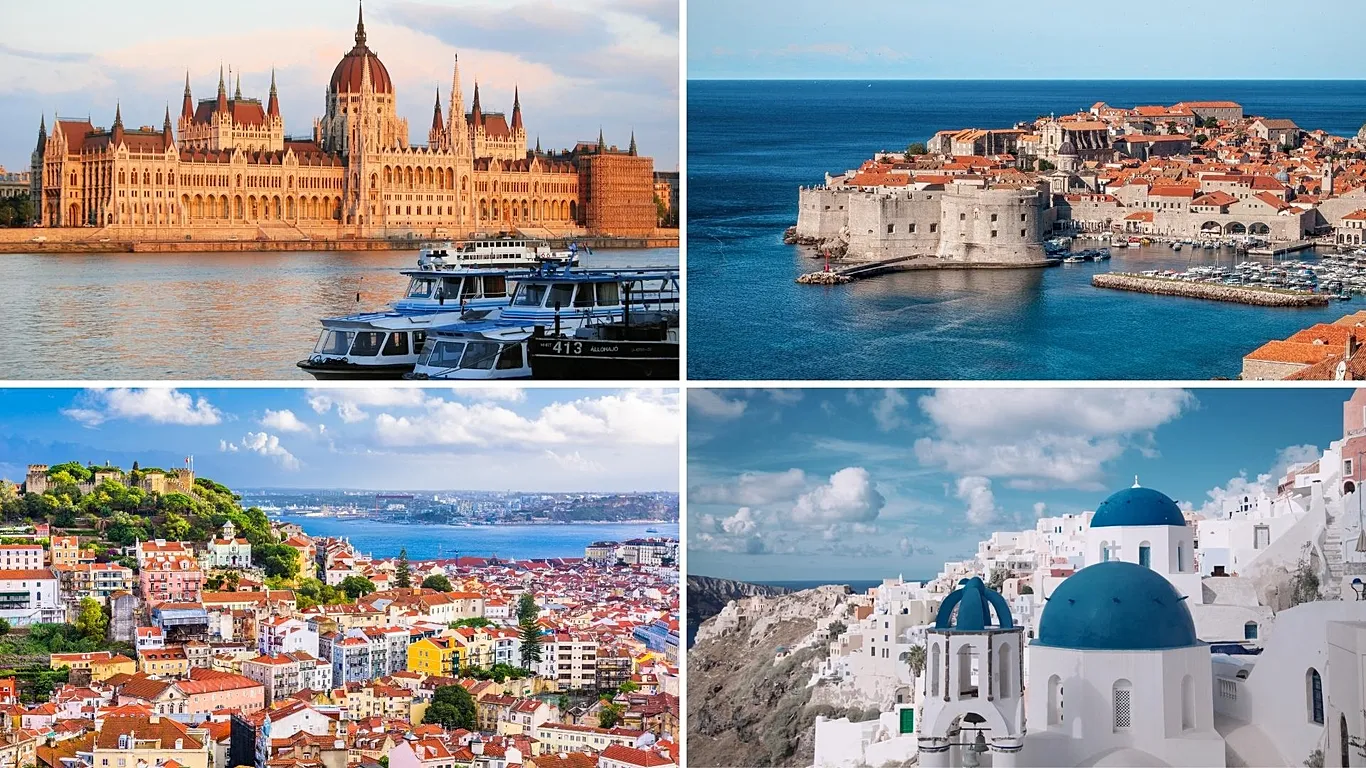
Europe is quickly becoming a hub for digital nomads who want to experience new cultures, enjoy world-class amenities, and work remotely in some of the world’s most desirable destinations. With countries like Croatia, Estonia, Portugal, Albania, and Bulgaria offering tailored digital nomad visas, remote workers now have more opportunities than ever to live in Europe and enjoy a high quality of life while continuing their careers.
Whether you’re drawn to the sunny beaches of Croatia, the business-friendly environment of Estonia, or the cultural richness of Portugal, there’s a European destination that’s perfect for digital nomads looking to explore new horizons while staying connected to their work.
If you’re looking to combine work and travel, these visas are a game-changer, offering flexibility, stability, and a chance to immerse yourself in Europe’s dynamic cities and stunning landscapes. The future of work is remote, and Europe is eager to welcome digital nomads with open arms.