What the EU Wants & Why It Matters
The European Union is making fresh moves to secure critical raw materials (CRMs) essential for green technologies—think batteries, electric vehicles, hydrogen electrolysis, rare earth magnets—and reduce dependence on non-European suppliers. The EU’s Critical Raw Materials Act and its Global Gateway investment initiative aim to diversify supply chains, promote more processing within Europe, and ensure supply security.
Africa is central to this strategy: the continent holds a significant share of known reserves for cobalt, lithium, manganese, rare earths, and other minerals. As demand soars globally (nickel expected to double, cobalt triple, lithium tenfold by mid-century), Africa has a chance to gain from both extraction and value addition.
Concrete Projects & EU Support
Several African projects are now among the EU’s globally strategic initiatives:
- Songwe Hill Rare Earths Project (Malawi) – Mkango Resources’ project producing ~8,425 tons per annum.
- Zandkopsdrift Rare Earths (South Africa) – Magnet-grade rare earths production.
- Maniry Graphite Project (Madagascar) – Graphite crucial for battery anodes.
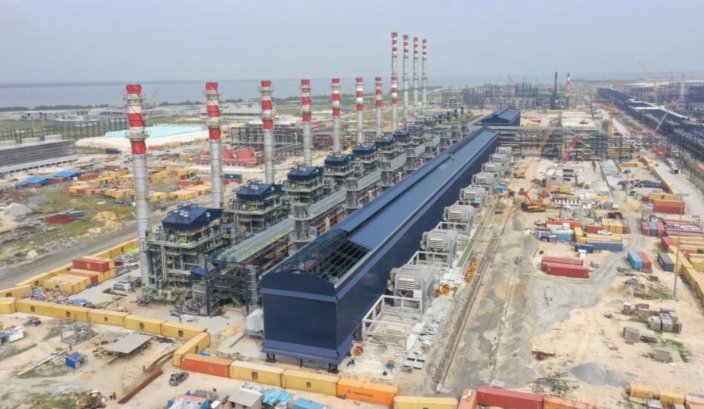
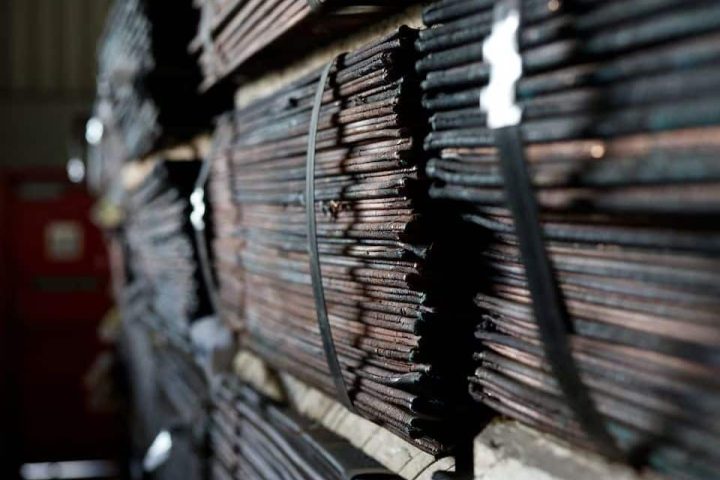
- Cobalt refinery in Zambia – ~6,000 tons per year, with potential to scale.
The EU is offering technical support, financing, and linking these projects to its supply chain demands. This is more than just raw extraction: the emphasis is increasingly on “value added,” such as refining, processing, and building capacity locally.
Potential Gains for Africa
Here are some of the ways Africa stands to benefit if things go well:
- Increased Revenues
With higher global demand plus EU support, mining revenues for producing countries could rise sharply. Sales of rare earths, cobalt, lithium etc., will bring in foreign exchange that can fund development. - Job Creation & Industrialization
Mines, refineries, processing plants, transport corridors all need labor. Value addition (refining vs exporting raw ore) means more jobs, skills, and local business opportunities. - Infrastructure Development
The EU and Africa are co-investing in corridors, roads, rail, power and clean energy needed to support efficient mining & processing. For example, EU-funded projects under Critical Raw Materials Act include transport links to Democratic Republic of Congo and support for processing in South Africa. - Better Negotiation Power & Policy Leverage
African countries are tightening local content rules, negotiating more favourable terms, and expressing that they want value addition within their borders. This gives them more leverage in deals with foreign companies. - Green Technology & Energy Transition
Africa can use proceeds from minerals to invest in its own renewable energy, electrification, and climate adaptation. Minerals are a gateway to joining the green transition rather than being left behind.
Key Challenges & Risks
However, the road is not without obstacles. Africa will need to address several risks to fully benefit.
- Regulatory / ESG (Environmental, Social, Governance) Standards
The EU’s regulations require high environmental protection, social responsibility (e.g. labor, community impact), and governance standards. Meeting those can be costly, especially in countries where infrastructure, regulatory frameworks, or institutional capacity are weak. Failure to meet them could shut some out of EU-driven opportunities. - Value Addition vs Raw Export
African countries have long exported raw materials but captured little of the processing/refinement value. Building processing plants, refineries and ensuring local content often involve high upfront costs and require stable power, skilled workforce, etc. If not done properly, gains may flow out of Africa. - Infrastructure and Logistics Bottlenecks
Transport corridors, power, ports and rail are often underdeveloped or unreliable. Even where minerals are abundant, getting them from mine to global market in cost-competitive fashion can be difficult. Projects like the Lobito Corridor are aimed at solving this. - Market Competition & Geopolitical Pressure
Africa is not the only supplier. China, the US, Gulf states are also vying for access, sometimes with lower costs or different standards. Some African investors say EU conditions are too rigid or less attractive compared to alternatives. - Volatility in Commodity Prices
Mineral prices fluctuate. If Africa invests heavily in mining and refining and then prices drop, risk of stranded investments exists. Also, foreign exchange risk can affect profitability. - Environmental and Social Impacts
Mining can cause environmental degradation, pollution, displacement of communities. If not managed properly, it can lead to social unrest or harm reputations, which then affect investment. Meeting ESG standards is not just a cost, but essential for sustainability.
What Africa Is Doing to Seize the Opportunity
African governments, companies, and regional bodies are making moves to ensure they benefit:
- Local Content Policies & Export Bans
Some countries are banning exports of raw minerals or requiring processing locally so more value (jobs, skills) stays at home. - Strategic Partnerships with the EU
Bilateral agreements (e.g. with DRC, Namibia, Rwanda, Zambia) often include not just supply contracts but co-investment, technology transfer, capacity building. - New Projects Recognised by EU
As mentioned, Africa has several mining/refining projects that are already on EU’s strategic list under its Critical Raw Materials Act. These get priority for financing or technical assistance. - Regional Value Chains and Infrastructure Plans
Projects such as transport corridors, ports, rail linking mines to export points, and electricity supply—these help reduce costs. The Lobito Corridor is one example. - Improved Geological Data & Mapping
More accurate data on reserves, exploration, quality helps attract investment and improve bargaining positions. Africa is investing in geological surveys, and the EU supports some of these through technical assistance.
Case Studies: Success Stories & Potential Leaders
- Malawi (Songwe Hill Project): Rare earths extraction under Mkango; EU backing; potential to supply rare earths needed in magnet applications.
- South Africa: Abundance of platinum group metals, rare earths, and growing EU investment via the clean trade partnership. South Africa is also strong in processing capacity, which helps.
- Zambia: Cobalt refinery plans; value addition push; transport corridors to reduce export cost.
- Madagascar: Graphite project (Maniry) one of the strategic projects for EU support. Graphite is key for battery anodes.
What to Watch: Key Indicators for Africa’s Success
To turn potential into real benefit, Africa will need to pay attention to several indicators:
- Regulatory clarity & permitting speed: How fast mining rights, environmental permits, and export approvals can be granted without sacrificing standards.
- Power reliability & infrastructure: Consistent electricity, transport, and logistics infrastructure will matter heavily.
- Local skills & workforce development: Training in processing, refining, meeting ESG standards, lab work etc.
- Access to financing: Investments in refineries, beneficiation, and processing require capital. EU, multi-laterals, and private investors must step up.
- Market access & trade policy alignment: Ensuring African-produced processed minerals can enter EU and global markets without prohibitive costs or tariffs.
- Transparency & governance: Strong legal frameworks, clear contracts, environmental safeguards, fair community engagement — this reduces investment risk.
Balancing Risk and Reward
There are trade-offs. If Africa pushes too hard, ignoring environmental/social costs, it risks backlash and unsustainable practices. On the other hand, if Africa plays passive supplier only, it leaves money and development potential on the table.
EU’s rules (rounds of regulations on ESG, traceability, conflict minerals, carbon border adjustment) can serve as a double-edged sword: they ensure ethical standards but can also raise costs or bar some African producers out unless supported effectively.
Conclusion
Africa is well placed to benefit from the European pivot toward critical minerals. With roughly 30% of global critical minerals reserves, the continent can claim a bigger share of the global value chain if it acts strategically. Projects already recognised by the EU, rising interest from investors, and growing policy efforts to add value domestically suggest momentum is building.
However, realizing this opportunity demands more than hopes: it needs coherent regulation, infrastructure investment, financing, skill development, and careful balancing of ESG constraints with Africa’s own development priorities. If Africa gets the balance right, the green transition and global demand for minerals may finally translate into long-term sustainable growth for many African economies.