Upward Momentum in Africa’s Trade Growth
Global analysts have upgraded Africa’s trade forecast after the World Trade Organization (WTO) released its latest Global Trade Outlook report. According to the projections, Africa’s merchandise exports are set to increase by 5.3% in 2025, while imports are expected to surge by 11.8%. These figures represent a notable upward revision, driven by stronger international demand, improved macroeconomic conditions, and resilient commodity prices across the continent.
The upward momentum is largely supported by favorable trends in global markets. Several African countries have experienced easing inflation pressures, which has boosted consumer purchasing power and enhanced investor confidence. Additionally, commodity prices—especially in energy, metals, and agricultural exports—have stabilized, providing revenue support for exporters.
While the trade outlook for goods appears robust, the services sector paints a more cautious picture. The WTO expects Africa’s services export growth to slow sharply, from 4.9% in 2024 to 1.3% in 2025. This figure lags behind global averages, underscoring persistent challenges in the continent’s digital and financial services ecosystems. However, the WTO highlights that countries like Kenya, Nigeria, and Egypt—which have invested in ICT infrastructure—are better positioned to capture emerging opportunities in digital services, telecommunications, and fintech.
Drivers of the Upward Forecast
Three key factors have shaped the revised forecast:
- Rising Global Demand: Africa’s exporters are benefiting from stronger global consumption, particularly for raw materials and intermediate goods.
- Improved Terms of Trade: Several countries have enjoyed more stable currencies and favorable trade conditions, which have reduced volatility and attracted foreign investment.
- Domestic Consumption Growth: A rebound in household spending and business investment is fueling demand for imported consumer goods and capital equipment.
However, the WTO warns that the current surge might not be sustainable. Global protectionist pressures, slowdowns in major economies, and supply chain disruptions could dampen trade momentum. By 2026, export growth may flatten, while import growth is projected to slow to around 5.4%.
Macroeconomic Implications for Africa
The latest World Bank outlook aligns with the WTO’s projections, revising Sub-Saharan Africa’s growth forecast upward to 3.8% in 2025. The improvement reflects easing inflation and recovering trade flows. Yet, the report cautions that high debt levels, limited access to credit, and low formal employment continue to constrain long-term economic expansion.
For policymakers, the forecast offers both optimism and warning. Import growth outpacing exports could widen trade deficits, pressuring foreign reserves and exchange rates. Governments may need to strengthen fiscal discipline, promote export-oriented industrialization, and expand regional trade under frameworks like the African Continental Free Trade Area (AfCFTA).
Policy Priorities and Strategic Pathways
1. Managing Trade Deficits and Currency Stability
As imports accelerate, several nations could face rising trade imbalances. Countries dependent on fuel and machinery imports may need to implement tighter fiscal or monetary policies to stabilize external accounts. Policymakers might also consider import substitution strategies and attract foreign direct investment (FDI) into manufacturing and value-added exports to narrow the trade gap.
Currency management will be crucial. While improved trade inflows can support foreign exchange reserves, policymakers must ensure that exchange rate adjustments preserve export competitiveness and maintain investor confidence.
2. Building Industrial Capacity and Value Addition
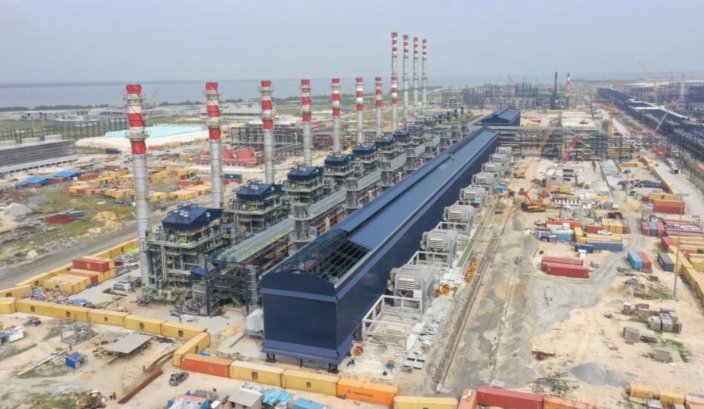
Long-term trade resilience requires shifting from raw commodity exports to value-added production. Analysts from the International Energy Agency (IEA) and WTO emphasize the importance of developing manufacturing hubs, mineral processing, and green energy industries. Such sectors can help Africa capture more value, create jobs, and reduce vulnerability to commodity price swings.
Governments should offer tax incentives, industrial clusters, and local content policies that support downstream industries. Strengthening logistics, energy supply, and port infrastructure will further enhance competitiveness.
3. Expanding Digital and Services Trade
With services exports slowing, Africa’s growth opportunity lies in digital transformation. The rise of fintech, e-commerce, and data services can diversify exports and improve resilience. Governments should invest in broadband connectivity, digital payment systems, and cross-border data infrastructure. Harmonizing regulations under a regional digital single market would attract global tech investors and stimulate innovation.
Countries such as Kenya, Nigeria, and Egypt already lead in this domain and can serve as models for regional replication.
4. Strengthening Intra-African Trade
The AfCFTA remains Africa’s most ambitious trade project. It can significantly boost intra-African trade, reducing dependence on external partners. However, persistent challenges—like transport bottlenecks, non-tariff barriers, and inconsistent standards—must be addressed. Prioritizing infrastructure investment, customs modernization, and policy harmonization will be essential for unlocking AfCFTA’s full benefits.
5. Addressing Debt and Financing Constraints
With external debt levels already high, rising import bills may increase borrowing needs. African countries must ensure that new debt finances productive investments—such as export industries and logistics infrastructure—rather than consumption. Transparency and prudent fiscal management will be critical for maintaining creditworthiness and investor trust.
6. Preparing for Future Risks
The WTO cautions that 2025’s trade surge could be short-lived. Global protectionism, geopolitical tensions, and climate-related disruptions pose significant risks. Many African economies remain undiversified, leaving them vulnerable to shocks in specific commodities or markets.
To build resilience, governments must address structural constraints—energy shortages, high financing costs, and weak governance—through reforms and investment.
Conclusion: A Window of Opportunity
Africa’s revised trade outlook reflects growing integration into global commerce and improved macroeconomic stability. However, sustaining this momentum requires strategic action.
By promoting industrialization, digital transformation, regional integration, and prudent fiscal management, African nations can convert short-term gains into long-term prosperity.
The WTO’s 2025 forecast offers a valuable window of opportunity. Turning it into durable progress will depend on policy coherence, innovation, and regional cooperation—key ingredients for shaping Africa’s economic future.