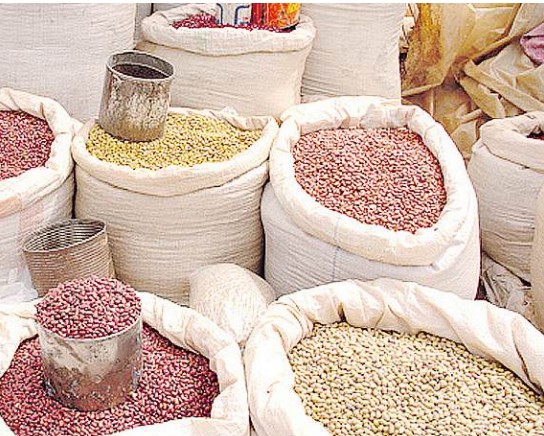
Africa plant genetic diversity loss now threatens the continent’s food security, nutrition, and livelihoods according to a new United Nations report. Consequently, crops, their varieties, wild relatives, and other edible plants are disappearing faster than conservation efforts can preserve them. Indeed, this alarming trend demands urgent attention from policymakers, farmers, and international partners alike. Furthermore, the Food and Agriculture Organization launched this critical assessment in Nairobi, emphasizing the scale of challenges facing African agrifood systems.
Moreover, Africa plant genetic diversity loss specifically affects locally adapted crop varieties that farmers have cultivated for generations. Therefore, staples like sorghum, millet, yams, rice, and traditional cotton face increasing vulnerability. Additionally, these landraces often perform better under local climate conditions than commercial alternatives. As a result, their disappearance narrows farmers’ options precisely when droughts and heat stress intensify. Indeed, preserving these genetic resources represents a strategic investment in climate resilience.
Furthermore, wild food plants that provide essential nutrients and act as safety nets during lean seasons are also declining. Specifically, species like baobab, shea, marula, tamarind, African bush mango, and indigenous leafy vegetables face mounting pressure. Consequently, seventy percent of assessed wild food plants and crop wild relatives are now threatened. Moreover, these plants serve as crucial sources of drought and disease resilience for breeding programs. Therefore, their loss undermines future agricultural adaptation efforts across the continent.
Additionally, Africa plant genetic diversity loss reflects significant gaps in conservation infrastructure. For instance, African genebanks currently conserve only about 14 percent of collected crop wild relatives. Consequently, many adaptive traits risk permanent disappearance before researchers can document or utilize them. Moreover, extreme weather events, land-use changes, and underinvestment in seed systems accelerate this crisis. Therefore, coordinated action across national and regional levels becomes essential for reversing these trends. Indeed, without such intervention, valuable genetic resources may vanish irreversibly.
In addition, progress in some areas offers cautious optimism amid broader challenges. Specifically, 14 African countries have studied nearly half of their seed collections to identify priority conservation targets. Furthermore, 21 countries actively breed improved varieties that incorporate valuable traits from traditional crops. Therefore, these efforts demonstrate commitment to safeguarding plant genetic resources. Moreover, supporting farmers as custodians of these resources strengthens on-farm conservation practices. As a result, community-based approaches can complement formal genebank systems effectively.
The economic implications of Africa plant genetic diversity loss extend beyond agricultural production. Consequently, declining crop diversity affects nutrition outcomes, particularly for vulnerable populations relying on traditional foods. Furthermore, reduced genetic options limit farmers’ ability to adapt to changing market demands and climate conditions. Therefore, livelihoods across rural communities face heightened uncertainty. Indeed, preserving plant genetic diversity supports both immediate food security and long-term economic prosperity. Moreover, diverse cropping systems enhance ecosystem services that benefit entire landscapes.
Furthermore, policy frameworks play a critical role in addressing Africa plant genetic diversity loss. Specifically, coordinated investments in seed systems, research infrastructure, and farmer support programs can strengthen conservation outcomes. Therefore, national governments must prioritize plant genetic resources within agricultural development strategies. Moreover, regional cooperation facilitates knowledge sharing and resource mobilization across borders. Consequently, harmonized policies help maximize impact from limited conservation budgets. Indeed, political commitment translates scientific evidence into actionable programs that protect biodiversity.
Additionally, climate change intensifies the urgency of conserving plant genetic resources. Specifically, rising temperatures and unpredictable rainfall patterns increase pressure on agricultural systems. Therefore, diverse crop varieties provide essential options for adapting to new growing conditions. Moreover, wild relatives often contain traits for drought tolerance, pest resistance, and nutritional quality that breeding programs urgently need. Consequently, losing these genetic resources reduces humanity’s capacity to respond to environmental challenges. Indeed, conservation efforts represent a form of climate insurance for future food production.
For farmers, the implications of Africa plant genetic diversity loss affect daily decision-making and long-term planning. Consequently, limited access to diverse seed options constrains adaptation strategies. Furthermore, traditional knowledge about crop management risks disappearing alongside the varieties themselves. Therefore, supporting farmer-led conservation initiatives helps preserve both biological and cultural heritage. Moreover, participatory breeding programs can develop varieties that meet local needs while maintaining genetic diversity. As a result, empowering farmers as active conservation agents strengthens overall system resilience.
Looking ahead, reversing Africa plant genetic diversity loss requires sustained commitment from multiple stakeholders. Specifically, increased funding for genebanks, research institutions, and community conservation programs is essential. Therefore, international partnerships can mobilize technical expertise and financial resources to support national efforts. Moreover, integrating conservation goals into broader agricultural and environmental policies creates enabling conditions for success. Consequently, monitoring and evaluation frameworks help track progress and adjust strategies as needed. Indeed, adaptive management approaches ensure conservation efforts remain effective amid changing circumstances.
In summary, Africa plant genetic diversity loss represents a critical challenge with far-reaching implications for food security, nutrition, and climate resilience. Consequently, urgent action is needed to strengthen conservation efforts across the continent. Furthermore, supporting farmers as custodians of genetic resources, investing in seed systems, and promoting policy coordination can help reverse current trends. Therefore, stakeholders at all levels must prioritize plant genetic diversity within agricultural development agendas. Moreover, recognizing the intrinsic value of these resources alongside their practical benefits strengthens the case for conservation. Indeed, preserving Africa’s plant genetic heritage secures options for future generations facing an uncertain climate. As a result, coordinated action today can safeguard the foundation of sustainable agrifood systems for years to come.