Africa’s economy is poised for significant expansion in 2026, with the continent projected to host more high-growth economies than any other region. According to an International Monetary Fund (IMF) forecast, several African nations will see growth exceed 6%. However, this promising outlook is tempered by substantial risks, including crippling debt burdens, climate shocks, and chronic infrastructure deficits. Therefore, the year ahead presents a story of resilient potential navigating a landscape of formidable challenges.
The High-Growth Leaders and Engines
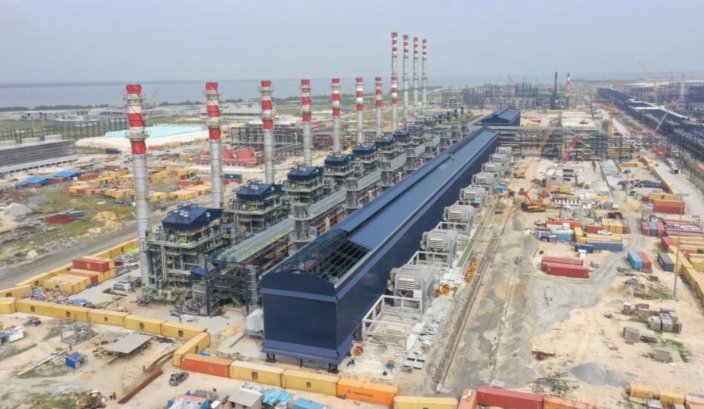
The growth is not evenly distributed but is concentrated in specific regional leaders. South Sudan and Guinea are forecast to achieve double-digit growth, driven by booming oil and mining sectors respectively. In East Africa, a sustained reform push is yielding results. Uganda, Rwanda, and Ethiopia are expected to average a robust 7% growth, demonstrating how policy consistency can attract investment and stimulate diversification.
This positions Africa’s 2026 economic outlook as uniquely dynamic. The continent’s combination of vast natural resources, a rapidly growing and urbanizing population, and digital adoption creates a powerful foundation for expansion. Sectors like fintech, agribusiness, and renewable energy are particularly poised for breakthroughs.
The Daunting Debt Overhang
A central cloud over this growth is sovereign debt. African countries face nearly $95 billion in debt repayments to creditors in 2026. For nations like Kenya, debt servicing consumes roughly one-fifth of all government spending, crowding out critical investment in health, education, and infrastructure. The continent’s hope is that anticipated global interest rate cuts in 2026 will provide some fiscal breathing room. However, debt restructuring and more sustainable borrowing practices remain urgent priorities.
Critical Bottlenecks: Electricity and Infrastructure
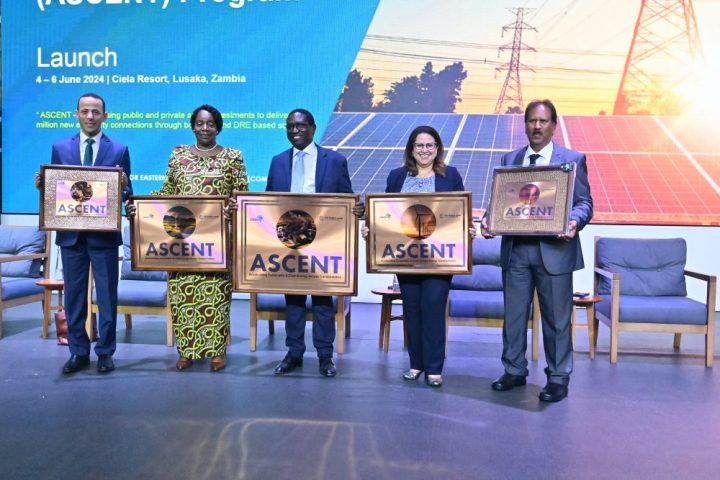
Beyond balance sheets, physical infrastructure remains a severe constraint. Nowhere is this clearer than in the electricity woes of Central Africa. Despite new investments, countries like the Central African Republic remain among the least electrified on Earth. Unreliable and expensive power stifles entrepreneurs, discourages industrial investment, and limits economic complexity. Solving this energy paradox is essential for transforming resource wealth into broad-based industrial development.
The Persistent Risks: Climate and Instability
Analysts consistently warn that climate shocks and political instability could derail progress. Droughts, floods, and unpredictable weather patterns threaten agriculture—a major employer—and can fuel displacement and conflict. Concurrently, political transitions and governance challenges in key nations create uncertainty for long-term investors. Managing these intertwined risks is perhaps the single greatest test for African policymakers in 2026.
A Path Forward: Cautious Optimism
Economist Theophilus Acheampong emphasizes a clear-eyed view. The growth projections are real, but they are not guaranteed. Success depends on several factors: prudent fiscal management to handle debt, accelerated investment in resilient infrastructure (especially energy), and policies that harness the potential of the private sector and the continent’s youth.
The International Monetary Fund’s regional reports provide detailed economic assessments.
In conclusion, Africa’s economy in 2026 stands at a crossroads of opportunity and vulnerability. The continent is undeniably a nexus of global growth potential. Yet, realizing this potential requires navigating a precarious path—converting resource wealth into sustainable development, managing debt while investing in the future, and building resilience against both economic and environmental shocks. The year will be a definitive test of the continent’s economic strategy and governance.