Mobile banking has rapidly become the central pillar of financial services across Africa, according to the latest report from the Africa Digital Banking Experience Series, a joint publication by African Banker and Backbase. The study highlights the critical role mobile phones play in reshaping the African banking landscape, pushing financial institutions to rethink their strategies, especially in terms of competition, customer inclusion, and the future of cashless transactions.
This detailed report underscores a seismic shift in how millions of Africans interact with financial services. With smartphones becoming more affordable and mobile networks expanding, mobile banking is no longer a secondary service but the primary method of conducting financial transactions for a large portion of the population. The mobile device has effectively become the main gateway to banking for individuals across the continent, fundamentally altering how banks design their products, engage with customers, and compete in an increasingly crowded digital finance market.
The Rise of Mobile Banking: A Continent-Wide Phenomenon
According to the Africa Digital Banking Experience Series, mobile banking adoption in Africa is already exceeding global averages. While physical bank branches remain scarce, particularly in rural regions and underserved urban districts, mobile phones have emerged as the most reliable, accessible tool for financial transactions. With limited broadband infrastructure available for fixed-line services, mobile phones account for over 75% of all online traffic in Africa. This shift to mobile-first banking is a direct response to the infrastructural challenges and growing demand for accessible financial services across the continent.
Banks, responding to these dynamics, have increasingly embraced mobile-first strategies. The survey found that a significant number of financial institutions in Africa have redesigned their apps to cater specifically to mobile devices, rather than adapting their existing desktop platforms. The overwhelming trend is towards creating mobile applications that are more user-friendly and accessible, ensuring that they meet the needs of their customer base who rely predominantly on smartphones for their daily financial transactions.
Regulatory Shifts: A Catalyst for Change
Regulatory reforms across the continent have played a crucial role in facilitating this mobile banking revolution. The study points out that regulatory changes have allowed for greater competition in payments and digital finance, which in turn has opened up the market for non-bank providers, such as fintech companies, telecom operators, and mobile money platforms. These new entrants are challenging traditional banking institutions, driving banks to prioritize mobile technology and digital platforms in order to stay competitive.
A major outcome of these shifts has been the integration of mobile banking into the broader financial ecosystem. Initially a supplementary channel, mobile apps have evolved into the primary interface between customers and financial institutions. This evolution has positioned mobile banking as the cornerstone of the continent’s digital finance strategies, as banks continue to develop apps that offer a range of services from basic transfers to complex financial solutions.
The Opportunity of Mobile Payments in Africa
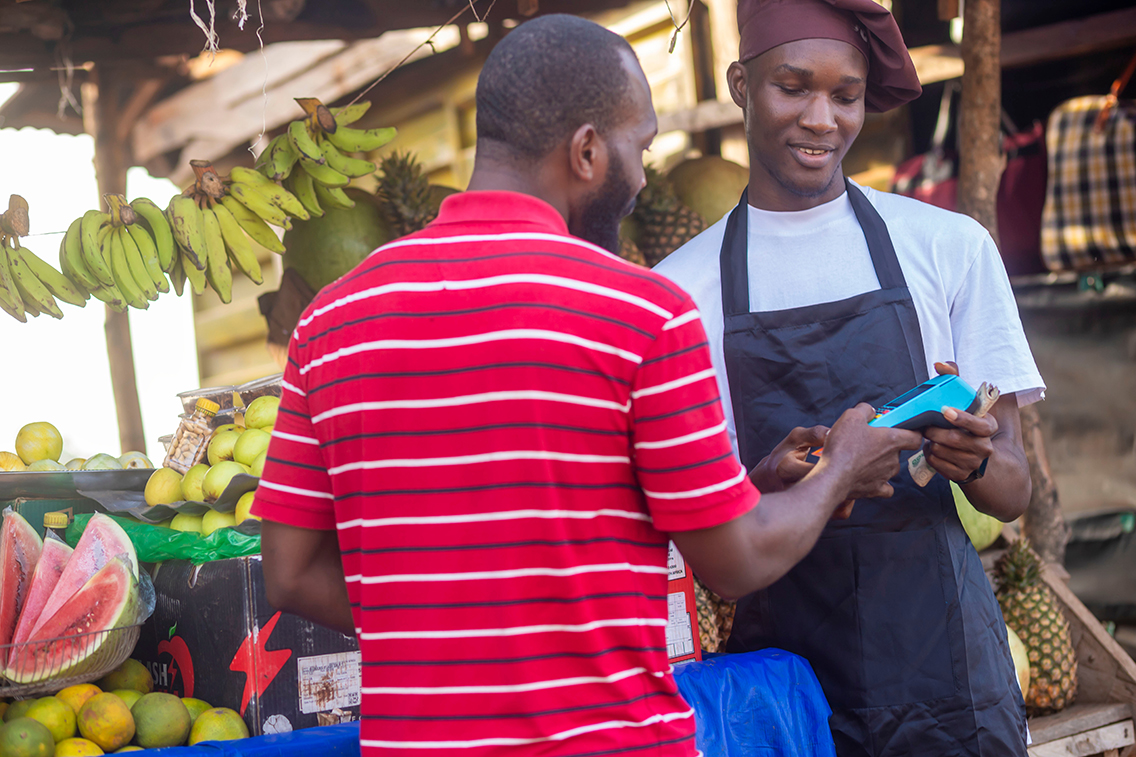
Despite the rapid growth of mobile banking, the Africa Digital Banking Experience Series report reveals that cash remains the dominant form of payment in most African markets. According to McKinsey estimates cited in the study, digital payments account for only about 5-7% of transactions across the continent. While mobile banking adoption is widespread, the report argues that cash is still firmly entrenched in many regions, and the challenge for banks and mobile platforms is to find ways to displace cash transactions with more secure, digital alternatives.
One of the most promising avenues for this transition is in-app payments, which the report identifies as a key driver for reducing cash reliance. By integrating digital wallets, credit, and payment services directly into mobile banking apps, African banks are providing a seamless experience that encourages the shift away from cash to electronic transactions. This shift not only improves security but also extends formal financial services to previously excluded populations, opening up new opportunities for financial inclusion.
Growth of Mobile Banking Services: From Basic to Advanced
As mobile banking continues to mature, the services offered through banking apps have expanded significantly. Initially, mobile platforms were focused on providing basic functionalities such as peer-to-peer transfers, bill payments, and internal bank transfers. However, today’s mobile banking apps support a broader array of services, including:
- Multi-currency transactions and cross-border payments: Reflecting the growing integration of African economies, mobile platforms are increasingly offering real-time exchange rates and facilitating international money transfers. This expansion is particularly important as Africa becomes more interconnected through trade agreements like the AfCFTA (African Continental Free Trade Area).
- Microloans and credit: Many mobile banking platforms now offer access to small loans and overdrafts. By leveraging mobile apps, banks can reduce operational costs and make it commercially viable to offer loans to individuals and micro-enterprises that were previously excluded from formal credit markets.
- Savings and micro-insurance: There has been a notable rise in mobile banking apps that allow users to manage savings more flexibly and access micro-insurance products. These services are particularly beneficial for low-income users, providing them with an affordable and accessible way to build financial resilience.
The shift from traditional banking to mobile-first solutions is not just about convenience; it is also a crucial step in improving financial accessibility across the continent. As mobile platforms become more sophisticated, they offer a pathway to greater financial inclusion for millions of underserved individuals.
The Rise of Small Businesses in the Digital Economy
One of the most significant changes highlighted in the report is the increased focus on small and medium-sized enterprises (SMEs) as a key battleground for mobile banks. Digital platforms are making it easier for banks to serve micro-businesses and sole traders, offering services like merchant payments, payroll tools, and budgeting support. This marks a shift from previous assumptions that SMEs were not commercially viable at scale.
For banks, the digitalization of SME services presents an opportunity to tap into a rapidly growing segment of the economy. The report notes that banks are now actively targeting SMEs with tailored solutions that address their specific needs, making it easier for them to access financial services that were once difficult to obtain.
Challenges and Barriers to Mobile Banking Adoption
While mobile banking has transformed financial services across Africa, several obstacles still remain. Connectivity issues are the most commonly cited challenge, with nearly two-thirds of banks acknowledging that unreliable network connections, data costs, and technical issues can deter customers from using mobile banking services. Despite mobile network coverage reaching approximately 83% of the population by the end of 2021, large rural areas remain underserved, and service quality can be inconsistent.
Other barriers to adoption include device affordability and access to electricity, particularly in remote areas. While banks have limited influence over these structural constraints, they have an important role to play in addressing issues such as security concerns and user interface complexity. Fraud, including malware, phishing, and SIM-swap attacks, remains a significant deterrent to mobile banking adoption, with banks working to enhance security protocols and customer trust in their mobile platforms.
Additionally, while mobile banking apps have become more intuitive, there is still room for improvement in terms of customer support and app functionality. Some banks, such as Ethiopia’s Cooperative Bank of Oromia, have invested in digital training and delivery models to improve accessibility for rural communities, showing that targeted investment can overcome some of these barriers.
Competitive Pressures and Future Outlook
The landscape of digital banking in Africa is highly competitive, with mobile money platforms playing a central role. Africa is home to nearly half of the world’s mobile money accounts, with platforms like M-Pesa and Airtel Money driving the shift toward digital payments. These platforms are both competitors and collaborators for banks, offering a range of services that sometimes overlap with traditional banking functions.
As mobile money platforms expand their offerings and banks look to scale their operations across the continent, competition will intensify. However, the report also highlights that banks are increasingly expanding into new markets through acquisitions and new licenses. Pan-African banking groups are emerging as key players, bringing technology, capital, and new business models to multiple markets.
Mobile banking is on the cusp of becoming a fully integrated, secure, and comprehensive financial ecosystem for millions of Africans. The next phase of this transformation will depend on how well banks can innovate and adapt, creating secure, user-friendly platforms that cater to the continent’s diverse population while promoting financial inclusion. As the report demonstrates, the future of banking in Africa is undoubtedly mobile.