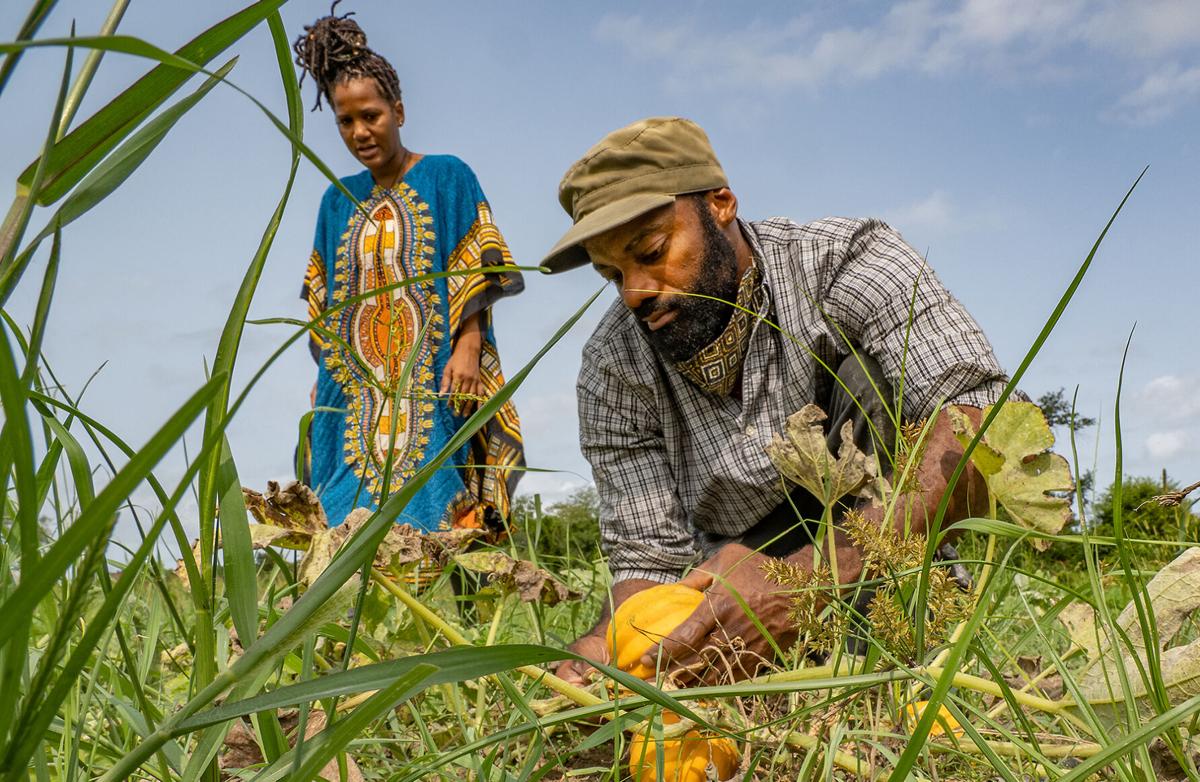
Agricultural trade in Africa plays a central role in the continent’s economic development, food security, and regional integration. Agriculture employs a large share of Africa’s workforce and contributes significantly to export earnings. From coffee and cocoa to tea, horticulture, and livestock products, agricultural commodities connect African producers to global markets.
In recent years, trade patterns have evolved. Governments increasingly prioritize value addition, agro-processing, and intra-African trade to reduce dependence on raw commodity exports. The implementation of the African Continental Free Trade Area marks a significant milestone in strengthening regional trade flows.
Understanding agricultural trade in Africa requires examining export trends, infrastructure development, policy reforms, and emerging opportunities across the continent.
Major Agricultural Exports
Africa exports a wide range of agricultural commodities. Cocoa from West Africa, coffee from East Africa, tea from Kenya, and citrus fruits from Southern Africa dominate global supply chains.
Countries such as Kenya lead in tea and horticultural exports, while Ghana and Ivory Coast remain major cocoa producers.
These exports generate foreign exchange earnings and support rural livelihoods. However, many African economies still export raw products rather than processed goods, limiting potential value capture.
Shift Toward Value Addition
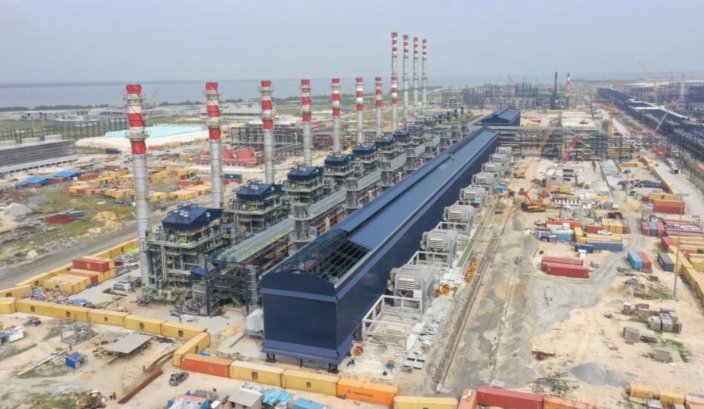
One of the most significant trends in agricultural trade in Africa is the push for value addition. Instead of exporting raw cocoa beans, for example, countries are investing in chocolate manufacturing. Similarly, coffee-producing nations are expanding roasting and packaging industries.
Agro-processing enhances product value, creates jobs, and strengthens industrial capacity. Governments encourage private investment in food processing zones and industrial parks to support this transition.
Value addition also reduces vulnerability to volatile global commodity prices.
Intra-African Trade Growth
Historically, African countries traded more with external partners than with each other. The AfCFTA agreement aims to reverse this trend by reducing tariffs and harmonizing trade regulations.
Increased intra-African agricultural trade improves food distribution efficiency. For instance, surplus grain in one region can supply deficit areas in another.
Improved regional integration reduces transport costs and strengthens supply chain resilience. Expanding cross-border trade corridors remains essential for maximizing this opportunity.
Infrastructure and Logistics Development
Efficient agricultural trade depends on strong infrastructure. Poor road networks, limited storage facilities, and inadequate port systems often increase post-harvest losses.
Investment in transport corridors, cold storage, and modern ports improves export capacity. Countries are upgrading rail systems and digital customs platforms to accelerate trade flows.
Better infrastructure reduces delays, lowers costs, and enhances competitiveness in global markets.
Emerging Export Opportunities
New market opportunities are emerging in organic produce, specialty crops, and processed foods. Global demand for sustainably sourced and organic products continues to rise.
African producers are increasingly targeting niche markets in Europe, Asia, and the Middle East. High-value horticultural products such as avocados, flowers, and vegetables show strong growth potential.
Livestock exports and dairy processing also present opportunities in regional markets.
Role of Technology in Trade Expansion
Digital technologies support agricultural trade efficiency. Mobile platforms connect farmers to buyers, while blockchain solutions enhance supply chain transparency.
Data analytics improve crop forecasting and logistics planning. E-commerce platforms also allow small producers to access international markets more easily.
Technology-driven solutions reduce information asymmetry and increase competitiveness.
Challenges Facing Agricultural Trade
Despite positive trends, challenges persist. Climate variability affects crop yields and export reliability. Limited access to financing constrains smallholder participation in export markets.
Non-tariff barriers, complex customs procedures, and inconsistent quality standards hinder trade growth.
Addressing these challenges requires coordinated policy reforms, capacity building, and regional cooperation.
Policy and Investment Priorities
Governments across Africa prioritize agricultural modernization. Policies focus on irrigation expansion, mechanization, research, and extension services.
Encouraging private investment in agro-processing and export-oriented production strengthens competitiveness.
Regional collaboration through trade agreements enhances market access and reduces duplication of regulations.
Long-Term Outlook
Agricultural trade in Africa holds significant long-term potential. With a growing population and expanding global demand for food, Africa can become a major supplier of both raw and processed agricultural products.
Value addition, infrastructure development, and digital innovation will shape future growth. Increased intra-African trade under AfCFTA may transform the continent’s agricultural landscape.
If supported by effective policy and investment, agricultural trade can drive inclusive economic growth and rural development.
Conclusion
Agricultural trade in Africa remains a cornerstone of economic activity and development. While traditional exports continue to generate foreign exchange, the shift toward value addition and regional integration opens new opportunities.
Improved infrastructure, technological adoption, and supportive trade policies enhance competitiveness. Although challenges such as climate risks and financing gaps persist, the long-term outlook for agricultural trade in Africa is promising.
By strengthening value chains and expanding intra-African trade, the continent can unlock sustainable growth and greater economic resilience.