Introduction
Agriculture is the backbone of East Africa’s economy, providing livelihoods for millions of people and contributing significantly to the region’s GDP. The sector plays a crucial role in food security, poverty alleviation, and export revenue. However, while East African agriculture has shown impressive growth over the past decade, the sector faces numerous challenges that hinder its full potential. In this article, we will explore the growth of East African agriculture, the key drivers behind this growth, and the challenges that need to be addressed for sustainable development in the region.
The Role of Agriculture in East Africa
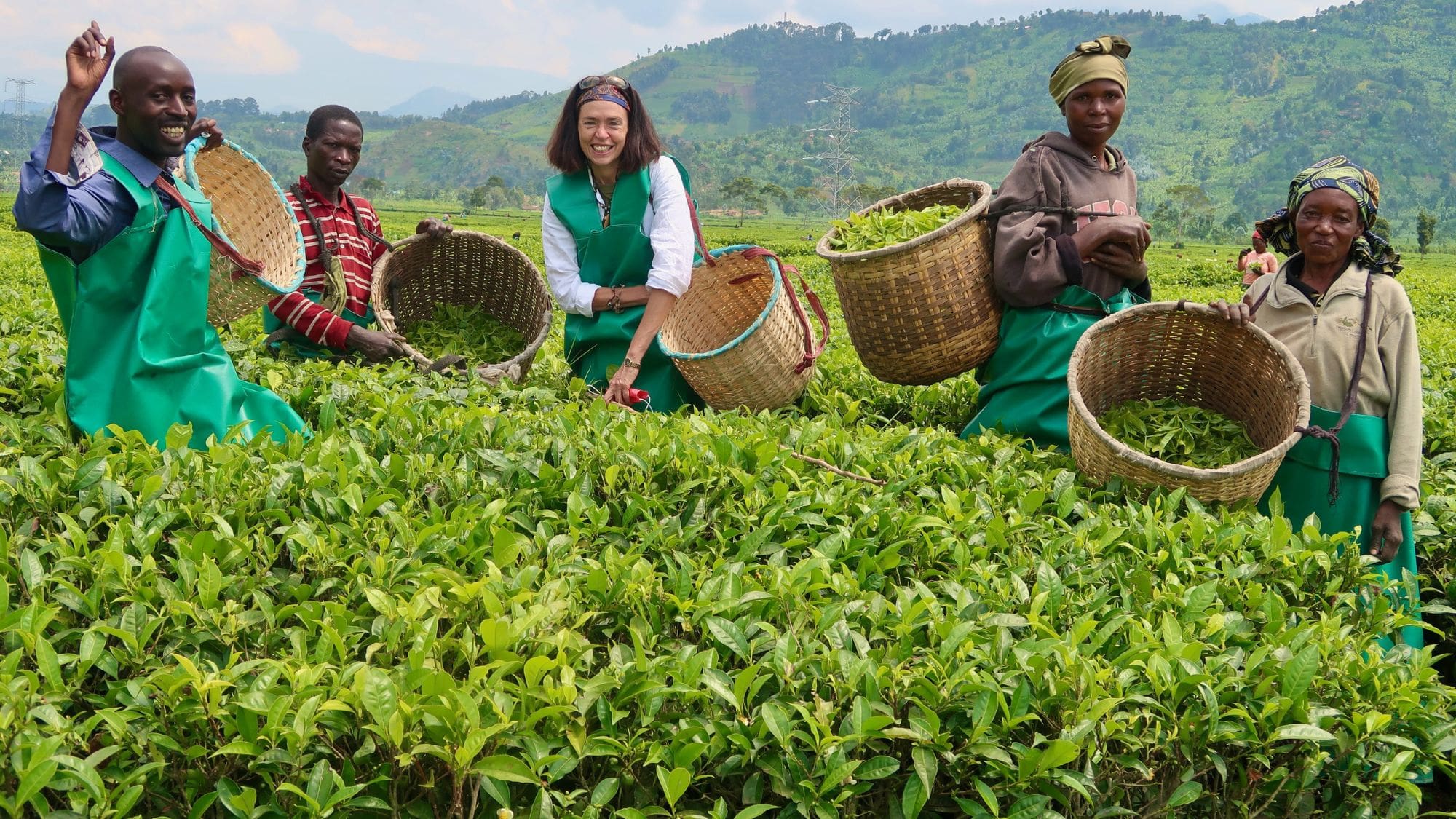
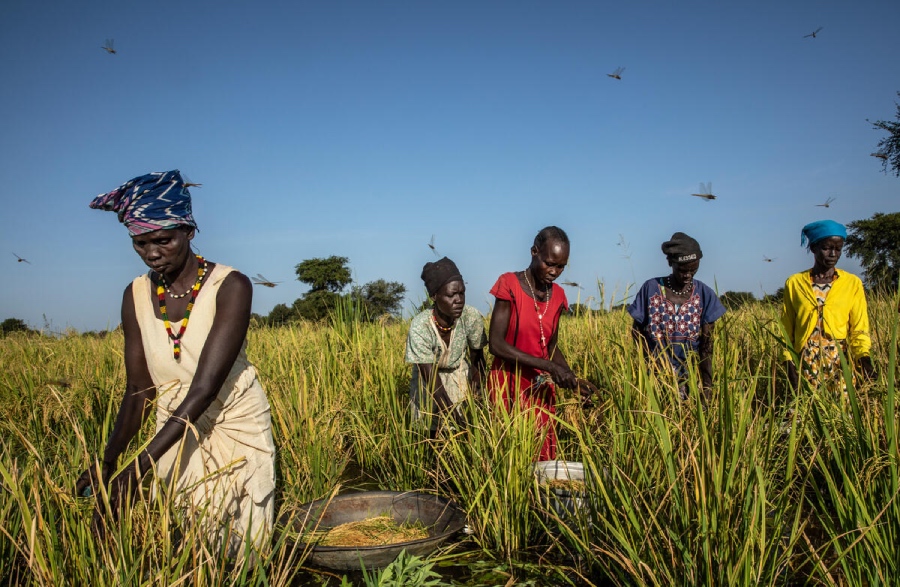
Agriculture in East Africa is vital to the livelihoods of its population, with approximately 60-80% of the population dependent on agriculture for income. The region is known for its diverse farming systems, ranging from large-scale commercial agriculture to smallholder farms. Key agricultural products in East Africa include:
- Maize: The staple crop in many East African countries, including Kenya, Uganda, and Tanzania.
- Coffee and Tea: Major export crops for countries like Kenya and Ethiopia, which are among the world’s leading producers.
- Horticulture: The production of vegetables, fruits, and flowers, especially in Kenya, which is a major exporter.
- Livestock: Cattle, goats, sheep, and poultry are crucial to the region’s rural economies.
The region’s favorable climate and vast arable land make it an ideal location for agricultural growth, but factors such as climate change, limited access to modern farming techniques, and inadequate infrastructure pose significant hurdles.
Growth Drivers in East African Agriculture
1. Government Support and Policy Reforms
Over the years, governments in East Africa have recognized the importance of agriculture and have implemented policies to promote growth in the sector. Programs like Kenya’s “Big Four Agenda” and Tanzania’s “Agricultural Sector Development Strategy” aim to improve food security, support smallholder farmers, and boost export potential.
Governments are focusing on policies that encourage the adoption of modern farming technologies, improved irrigation systems, and enhanced access to markets. Furthermore, partnerships with international organizations and the private sector are helping to fund agricultural infrastructure projects, including roads, storage facilities, and processing plants.
2. Technology Adoption
Advancements in agricultural technology have been one of the key drivers of growth in East Africa’s agriculture sector. Mobile phones, for example, have revolutionized how farmers access market information, weather forecasts, and farming advice. Mobile platforms like M-Farm and iCow in Kenya have provided farmers with real-time data to help them make informed decisions.
Additionally, the use of drones for precision farming, the introduction of drought-resistant seeds, and improved irrigation systems have allowed East African farmers to increase productivity and mitigate the risks of climate change.
3. Growing Regional and International Trade

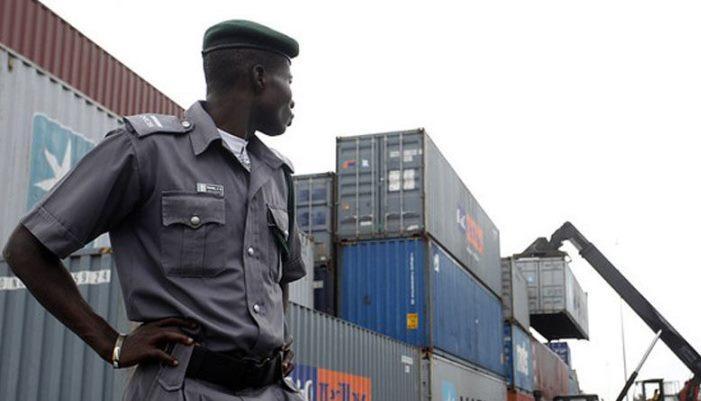
East African countries are increasingly focusing on improving trade both within the region and with international markets. The East African Community (EAC) aims to improve intra-regional trade by reducing trade barriers and facilitating easier cross-border movement of agricultural goods.
Internationally, countries like Kenya and Uganda have expanded their export markets for products like coffee, tea, flowers, and horticultural products. The African Continental Free Trade Area (AfCFTA) is expected to further boost trade within the continent, opening up new markets for East African agricultural products.
4. Climate-Smart Agriculture
As East Africa faces unpredictable weather patterns, with frequent droughts and floods, there has been a growing push towards climate-smart agriculture (CSA). CSA practices involve techniques that help farmers adapt to changing weather patterns, improve soil health, and increase productivity while minimizing environmental impact.
Techniques like agroforestry, conservation tillage, and rainwater harvesting are gaining traction. Programs promoting CSA have been particularly successful in countries like Ethiopia and Kenya, where farmers are learning to integrate environmental sustainability into their farming practices.
Challenges Facing East African Agriculture
1. Climate Change and Environmental Degradation
Climate change is perhaps the most pressing challenge for East African agriculture. Droughts, erratic rainfall, and extreme weather events are becoming more frequent, making it difficult for farmers to plan and protect their crops. In regions where agriculture relies heavily on rain-fed systems, changes in precipitation patterns have devastating effects on food production.
Environmental degradation, such as soil erosion and deforestation, further exacerbates the situation, leading to lower soil fertility and reduced agricultural yields.
2. Limited Access to Financing and Technology
While technological advancements have boosted agricultural productivity, many smallholder farmers in East Africa still lack access to modern equipment, inputs, and financial services. Access to credit is limited, with many farmers unable to secure loans for purchasing seeds, fertilizers, or irrigation equipment.
Lack of technical knowledge and limited access to training on new farming practices also prevent farmers from maximizing their yields. Although there has been progress in providing mobile-based financial services, many farmers still struggle to adopt modern agricultural technologies.
3. Inadequate Infrastructure
The lack of adequate infrastructure, particularly in rural areas, is a significant barrier to agricultural growth in East Africa. Poor road networks make it difficult for farmers to transport their goods to markets, leading to high transportation costs and post-harvest losses. Additionally, the lack of storage facilities means that much of the harvest goes to waste, especially in areas prone to climate disruptions.
Without proper infrastructure to connect farmers to both local and international markets, the potential for agricultural growth is significantly limited.
4. Land Ownership and Access Issues
Land tenure and access to land remain critical challenges in many parts of East Africa. Disputes over land ownership, unclear land titles, and fragmentation of land holdings prevent farmers from making long-term investments in their land. Additionally, women, who form the majority of farmers in many East African countries, often face barriers to land ownership and control, limiting their ability to engage in profitable agricultural activities.
The Future of East African Agriculture
Despite the challenges, the future of East African agriculture looks promising, particularly with the rise of technology, policy reforms, and international trade. As the region adapts to climate change, embraces innovative farming practices, and improves its infrastructure, agriculture will remain a key driver of economic growth.
By supporting smallholder farmers, investing in agricultural research and development, and fostering partnerships between the public and private sectors, East Africa can unlock the full potential of its agricultural sector. Additionally, embracing sustainable agricultural practices will ensure that growth is not only profitable but also environmentally responsible.
Conclusion
East African agriculture is on the rise, driven by technological innovation, government support, and the growing demand for food both regionally and globally. However, the sector faces significant challenges that need to be addressed to ensure sustainable growth. By focusing on climate-smart practices, improving infrastructure, and ensuring access to technology and finance, East Africa can continue to build a thriving agricultural sector that provides food security and economic prosperity for its people.