LONDON: Commodity trader Glencore has pulled significant cobalt stocks from China’s Wuxi exchange to meet commitments to electric-vehicle battery makers. Two sources familiar with the matter said the move comes due to limited supply of the material. London-listed Glencore typically supplies Chinese clients with cobalt mined in the Democratic Republic of Congo. The central African nation accounts for approximately 72 percent of global supplies. Total world production reached nearly 268,000 metric tons last year, according to Darton Commodities.
The decision to tap exchange stocks highlights growing strain in the Glencore cobalt supply chain. Congo’s government suspended exports in February last year to support prices that had dropped to nine-year lows. The suspension remained in place until Congo introduced export quotas last October. These restrictions have created shortages in the global market, forcing traders to seek alternative sources.
Congo Export Restrictions Reshape Market
Congo’s move to limit cobalt exports fundamentally altered supply dynamics. The quotas aim to boost prices by restricting the flow of material onto the global market. Glencore produced 33,500 tons of cobalt in Congo last year. Under the new quota system, it plans to export 22,800 tons from the country this year. The quotas apply at least until the end of 2027.
“Cobalt produced in excess of the allocated quotas continues to be stored in-country,” Glencore’s 2025 production report stated. “It will be sold as circumstances allow.” This buildup of unsold material in Congo represents potential future supply. However, it does nothing to address current shortages. The company was able to take cobalt stockpiled in Malaysia to China last year. But one source said the Swiss-based firm now lacks enough inventory to meet its contractual obligations in the country.
Wuxi Exchange Stocks Plunge
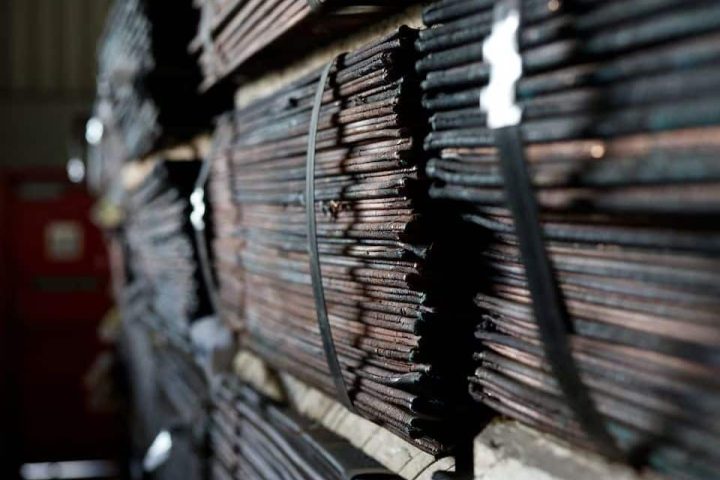
Cobalt stocks on the Wuxi exchange have more than halved since late January. They now stand at around 3,934 tons. The sources said Glencore took most of the cobalt from the exchange. This drawdown reflects the urgency of the company’s supply situation. It also demonstrates the tightness in the broader physical market.
The exchange plays an important role in China’s cobalt ecosystem. It provides a transparent pricing mechanism and a source of readily available material. When major producers like Glencore turn to exchange inventories, it signals significant stress in supply chains. Glencore declined to comment on the specific transactions or its inventory strategy.
Price Surge Reshapes Economics
Cobalt metal prices have increased 160 percent since February 2025. Prices now stand at $26 per pound or $57,320 per ton. The shortages created by Congo’s export restrictions drove this dramatic rally. Congo’s cobalt comes as a byproduct of copper production. It typically emerges as hydroxide, which manufacturers use to make cobalt sulphate for lithium-ion batteries.
The pricing structure for cobalt hydroxide has also shifted dramatically. Traders quote payables now at record highs of 100 percent. Payables represent the percentage of the cobalt metal price that hydroxide commands. In January 2025, cobalt hydroxide payables stood at only 55 percent. This change reflects intense competition for available material. Battery makers need consistent supply to maintain production schedules. They appear willing to pay near parity with refined metal to secure feedstock.
Battery Industry Faces Supply Challenges
The tight Glencore cobalt supply situation has implications for the broader electric vehicle industry. Cobalt remains a critical component in many lithium-ion battery chemistries. While manufacturers work to reduce cobalt content, the metal remains essential for energy density and stability. Supply disruptions can ripple through the entire production chain.
Chinese battery makers represent a major source of demand. China dominates global battery production and electric vehicle manufacturing. Any interruption in cobalt supply could affect production schedules and costs. Some manufacturers may need to draw down their own inventories if primary supplies remain constrained. Others might accelerate efforts to shift to low-cobalt or cobalt-free battery chemistries.
Outlook for Cobalt Markets
The quota system creates a new operating environment for cobalt producers and consumers. Glencore and other miners must navigate export limits while maintaining customer relationships. The company’s decision to draw from exchange stocks provides temporary relief. However, it does not solve the underlying supply-demand imbalance.
Congo’s strategy appears focused on capturing more value from its mineral resources. By restricting supply, the government aims to push prices higher and increase revenue. This approach carries risks. Prolonged high prices could accelerate substitution away from cobalt. Battery makers have strong incentives to reduce dependence on a single source country. The coming months will reveal whether Congo’s gambit succeeds or whether it permanently alters consumption patterns.