Guinea Begins Exporting Iron Ore
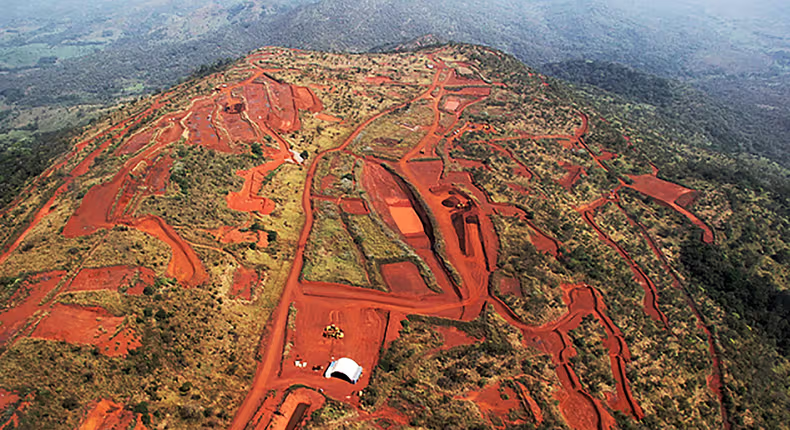
Guinea has officially started exporting iron ore from the Simandou mines, which hold the world’s largest untapped iron ore reserves. This project promises to transform the country’s economy and elevate Guinea to Africa’s second-largest mineral exporter.
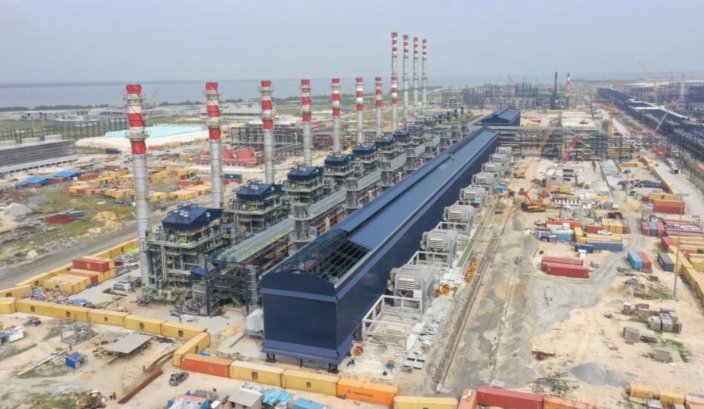
The project includes a 650-kilometre railway and two new mineral ports on the Atlantic coast. These facilities allow for smooth transport and shipment of ore.
Simandou’s Global Significance
Simandou consists of four mining blocks operated by international firms. Winning Consortium Simandou manages Blocks 1 and 2, backed by Chinese firms like China Baowu Steel Group. Rio Tinto Plc and Chinalco control Blocks 3 and 4.
French colonial authorities first explored the deposit in the 1950s. Geologists confirmed its high-grade iron ore reserves in the 1990s.
A Historic Milestone for Guinea
At the launch ceremony, Djiba Diakite, Chief of Staff at Guinea’s presidency, said:
“Simandou must be for us what oil was for the Gulf countries. This is a historic day for the people of Guinea, who have waited decades for this moment.”
The $23 billion Simandou project faced delays due to political instability and corporate disputes, which left the world’s largest untapped deposit idle for years.
Economic Impact
The Simandou project will significantly boost Guinea’s economy. Mining currently contributes 2.2% of GDP. Full production could raise this to 3.4% between 2030 and 2039. Government revenues may reach $1 billion annually.
The project also builds critical rail and port infrastructure, enhancing regional trade and positioning Guinea as a major global iron ore supplier
Simandou marks a new era for Guinea. With global partnerships and modern infrastructure, the country can leverage high-grade iron ore exports to drive economic growth and fiscal stability.