Liberia expects iron ore output to triple to around 30 million metric tons this year, the country’s mines minister has told Reuters. The dramatic increase will come from ArcelorMittal Liberia’s planned ramp-up and fresh volumes from new and revived projects. The West African nation produced about 10 million tons in 2025, almost all from its main mining operator.
Mines Minister Matenokay Tingban revealed the projections on the sidelines of the African mining conference Mining Indaba last week. “This year, ArcelorMittal should be hitting 20 million tons,” he said. “We expect Liberia to reach between 25 and 30 million tons once all producers come online.” The forecast represents a significant milestone for the country’s economic development.
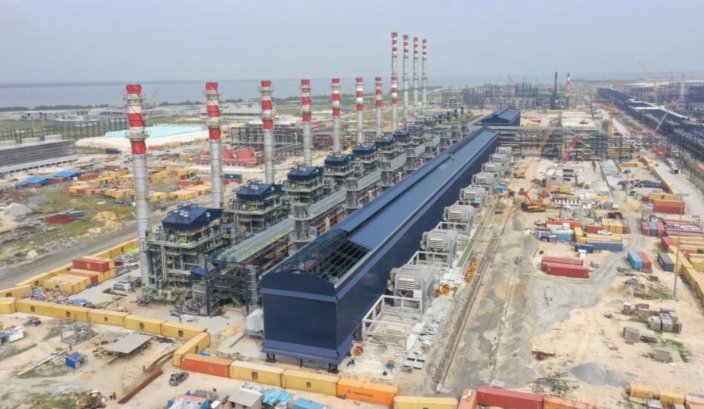
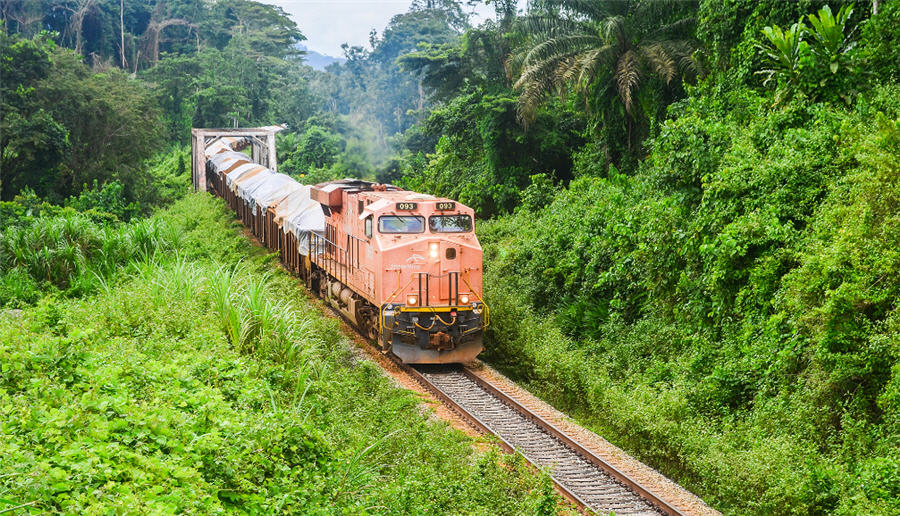
Luxembourg-based ArcelorMittal is investing heavily in expanding its Liberian operations. The expansion centers on a new concentrator facility alongside major rail and port upgrades. The company announced last month it planned to ship 20 million tons of iron ore from Liberia in 2026. This compares with historic levels of approximately 5 million tons per annum. The railway expansion targets 30 million tons per annum capacity for AML under a new long-term agreement. The deal also requires the company to pay the government $200 million in fees.
New Entrants to Complement Output
The minister identified several new producers preparing to begin operations. Cavalla Resources, Westcrest, and Zodiac are slated to start production this year. Bao Chico is also resuming operations, adding to the supply pipeline. The combination of expanded existing operations and new entrants creates the conditions for tripling Liberia iron ore output.
Iron ore prices jumped in 2025 as China’s record imports lifted demand and tightened the seaborne market. This favorable pricing environment supports investment decisions across the sector. Liberia stands to benefit substantially if prices remain strong as new production comes online.
Gold production is also expected to rise in the country. Mansa Resources’ Dugbe mine is ramping up operations. This diversification helps balance the mining sector’s reliance on iron ore. The government sees precious metals as another growth avenue for export revenues.
Critical Minerals Exploration
The government has meanwhile ordered the Liberia Geological Survey to catalogue and study new critical-mineral targets. Chinese geochemical work recently detected signs of lithium and other strategic elements in the country. This discovery opens potential new frontiers for mining investment. Global demand for lithium and critical minerals continues rising with the energy transition.
Minister Tingban emphasized the importance of understanding the country’s full resource potential. Systematic geological surveying will identify areas warranting detailed exploration. International investors have shown strong interest in critical minerals across Africa. Liberia aims to position itself competitively in this emerging sector.
New Mining Code Expected in Three Months
African governments have been pushing mining code reviews to capture more value from surging commodity prices. Liberia is joining this trend with ambitious reform plans. Tingban said the country is fast-tracking a review of its mining law within three months. Proposed changes include modifications to the licensing regime and a framework for a national mining company to take stakes.
The core fiscal shift introduces free-carried state equity of 10 to 15 percent per project. The government holds a long-term target of 25 percent participation. “We are moving from a royalty-only approach to equity participation to maximise returns, fund infrastructure and create jobs,” the minister said. This approach aligns with broader African trends toward resource nationalism.
Royalty rates will remain at 4.5 percent for iron ore and 3 percent for gold. Heavy mineral sands will be set at 8 percent under the proposed framework. These rates maintain competitiveness while ensuring government revenue. The minister added that whether new equity terms apply to existing projects will be determined by the Ministry of Justice. This legal review will clarify the transition rules for current operators.
The expected surge in Liberia iron ore output carries significant economic implications. Mining currently contributes substantially to government revenues and export earnings. Higher production multiplies these benefits substantially. The minister projects overall mining output to increase from 15 percent of GDP in 2024 to as high as 50 percent. This growth depends on how quickly new producers can come online and reach full capacity.
Infrastructure development accompanies the production expansion. The rail and port upgrades serving ArcelorMittal will benefit the broader economy. Improved transport links can support other industries and reduce logistics costs. The $200 million in government fees from the rail agreement provides resources for public investment.
Future Expectations
Job creation represents another critical benefit. Mining operations employ thousands of Liberians directly. Construction phases create additional temporary employment. Support industries and services generate further opportunities. The government expects the sector’s growth to make a measurable dent in unemployment.
Environmental oversight becomes increasingly important as production scales up. Larger mining operations require robust regulation and monitoring. The government must balance revenue goals with sustainable practices. Community relations and benefit-sharing arrangements require careful management. Local populations near mining projects should see tangible improvements in living standards.
The three-month timeline for mining code revisions suggests rapid legislative action. Parliament will need to consider and approve the proposed changes. Stakeholder consultations with industry and civil society will inform the final text. International investors will watch the process closely for signals about Liberia’s investment climate.
As Liberia iron ore output heads toward 30 million tons, the country reclaims its position as a significant mining jurisdiction. Historical production reached comparable levels before civil conflict disrupted the sector. The current expansion represents a post-conflict recovery success story. Sustained growth depends on stable governance, competitive fiscal terms, and strong commodity markets. The coming months will reveal whether all elements align for Liberia’s mining renaissance.