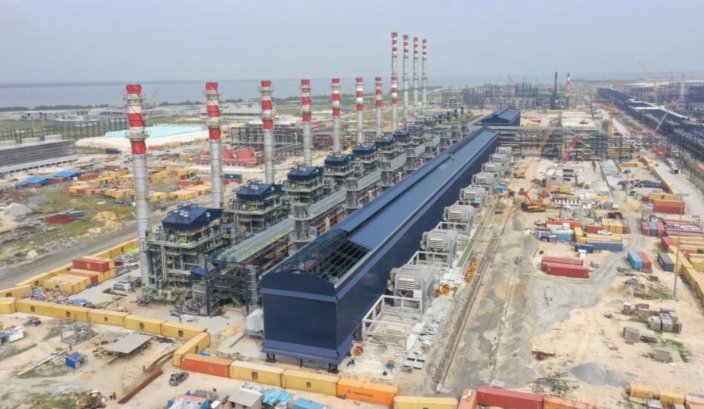
Nigeria has raised crude oil production to between 1.7 and 1.83 million barrels per day in 2025, reflecting major gains from ongoing reforms in the energy sector. The number of active drilling rigs also climbed from 31 in January to 50 by July, signaling renewed upstream activity.
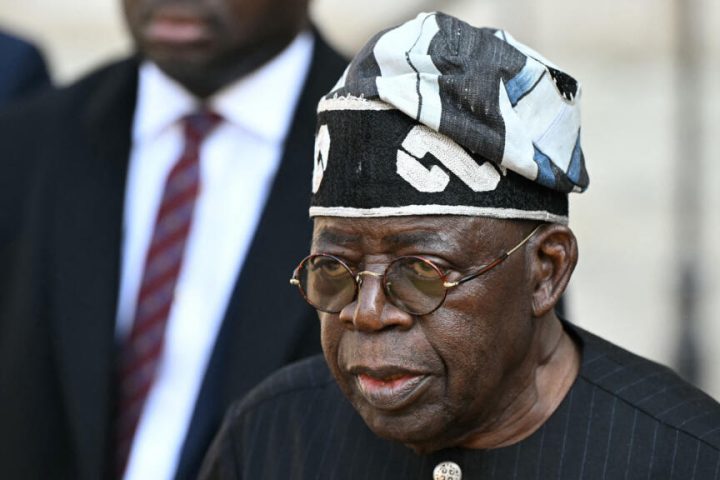
These improvements follow President Bola Tinubu’s “Project One Million Barrels” initiative and stronger investor incentives introduced under the Petroleum Industry Act (PIA). The Act has built a more transparent and predictable framework, boosting investor confidence and accelerating final investment decisions.
Minister of State for Petroleum Resources, Senator Heineken Lokpobiri, revealed that international oil firms have completed divestments worth over USD 5.5 billion. These transactions are set to add about 200,000 barrels per day to national output within the next year.
Lokpobiri emphasized that the reform agenda extends beyond asset transfers. It showcases Nigeria’s growing operational strength, backed by new legal and structural foundations. He said these measures have created a stable environment for investors to commit fresh capital.
The government expects the sector’s revival to increase foreign exchange inflows, narrow energy supply gaps, and stimulate job creation.
However, Nigeria still faces challenges. Oil price fluctuations, global market volatility, and governance risks could threaten long-term progress. To maintain momentum, authorities must ensure efficient investment management, enforce environmental standards, and build local capacity.
In summary, Nigeria’s reforms are yielding visible results and positioning the country for sustainable energy growth. Continued policy consistency and institutional strength will be key to turning short-term progress into lasting economic transformation.