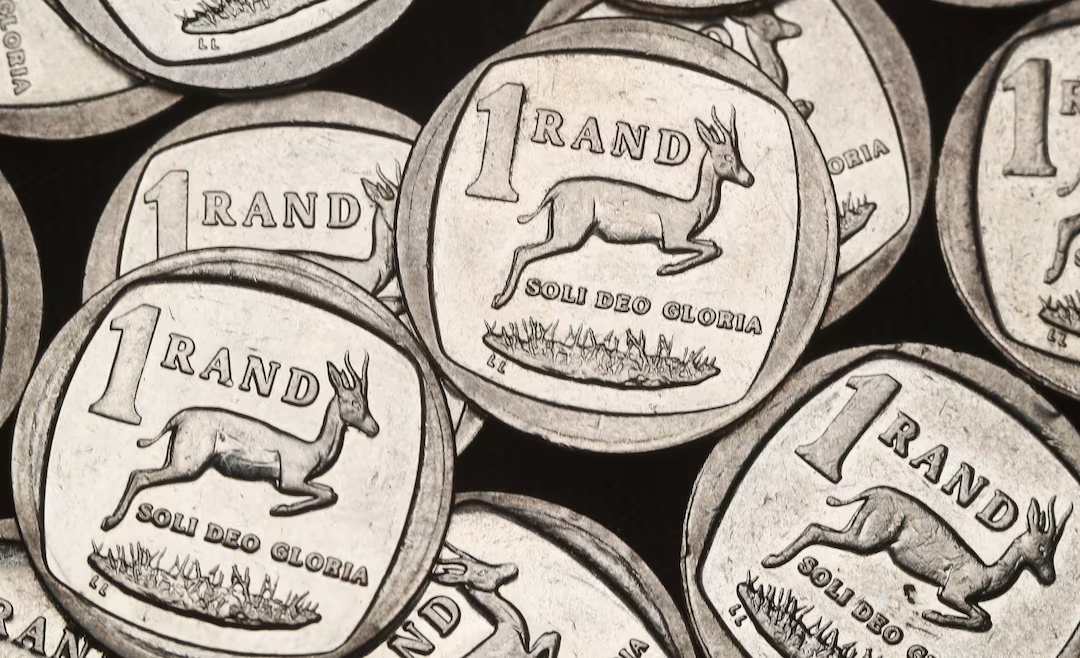
JOHANNESBURG: The South African rand strengthened against the dollar on Monday. A softer US currency helped offset fading hopes for a near-term interest rate cut by the Federal Reserve. At 1448 GMT, the rand traded at 16.77 against the dollar. This represented a gain of more than one percent from its previous close. The greenback fell 0.4 percent against a basket of currencies. Elevated energy prices have reduced expectations for US monetary policy easing.
The South African rand gains occurred despite the shifting outlook for American interest rates. Typically, a higher-for-longer US rate environment pressures emerging market currencies. However, the dollar’s broad weakness provided sufficient support for the rand to advance. Traders balanced geopolitical concerns against currency dynamics.
Gold Prices Support Export Outlook
Gold prices, a key South African export, remained steady on Monday. The metal recovered from an earlier drop of nearly one percent. A softer dollar typically supports gold by making it cheaper for holders of other currencies. This relationship benefited the rand through improved export prospects.
South Africa’s mining sector contributes significantly to export earnings and employment. Steady gold prices help maintain revenue streams for producers. This supports the current account and provides underlying strength for the currency. The correlation between gold and the rand remains an important factor for traders monitoring the South African rand gains.
Local Markets Rally
On the Johannesburg Stock Exchange, the Top-40 index rose 1.3 percent. Equities benefited from the improved risk sentiment and currency strength. Mining stocks performed particularly well given the steady commodity price environment.
South Africa’s benchmark 2035 government bond also strengthened. The yield fell 2 basis points to 8.91 percent. Bond yields move inversely to prices. The decline indicates increased demand for South African debt. Foreign investors often seek higher yields when risk appetite improves. The combination of currency strength and bond buying suggests renewed interest in South African assets.
Inflation Expectations Hit Record Low
South African inflation expectations continued to fall in the first quarter of this year. A survey released on Monday showed the average forecast for inflation over the next five years reached a record low. This provides reassurance to the central bank that its monetary policy stance remains credible.
The survey covers business executives, trade union officials, and households. All groups reported lower inflation expectations compared to previous quarters. This anchoring of expectations gives the Reserve Bank more flexibility in setting interest rates. It reduces the risk that temporary price shocks become embedded in wage and price-setting behavior.
Data Releases Awaited This Week
Local investor attention will turn to February inflation data later this week. The统计局 will also release January retail sales numbers. These figures will provide insight into the health of the consumer sector and price pressures in the economy.
Inflation data helps shape expectations for the central bank’s next policy move. The Monetary Policy Committee has kept rates steady in recent meetings. It judges that current policy settings appropriately balance inflation control against growth support. Retail sales numbers indicate how households are coping with elevated borrowing costs and living expenses.
Global Context for Rand Strength
The South African rand gains reflect broader dynamics in emerging market currencies. Many developing economy currencies benefited from the dollar’s pullback. However, the outlook remains uncertain given geopolitical tensions and commodity price volatility.
The ongoing conflict in the Middle East affects energy prices and risk appetite. South Africa imports some oil products, so higher energy costs can pressure the current account. However, as a commodity exporter, it also benefits when prices for gold and platinum group metals remain firm. These competing forces create complex dynamics for currency traders.
The rand remains one of the more volatile emerging market currencies. Its liquid nature and active trading hours make it sensitive to shifts in global risk appetite. Monday’s gains demonstrate how multiple factors combine to determine currency direction. The softer dollar provided the primary catalyst. However, domestic factors such as inflation expectations and bond yields also contributed to the positive performance.