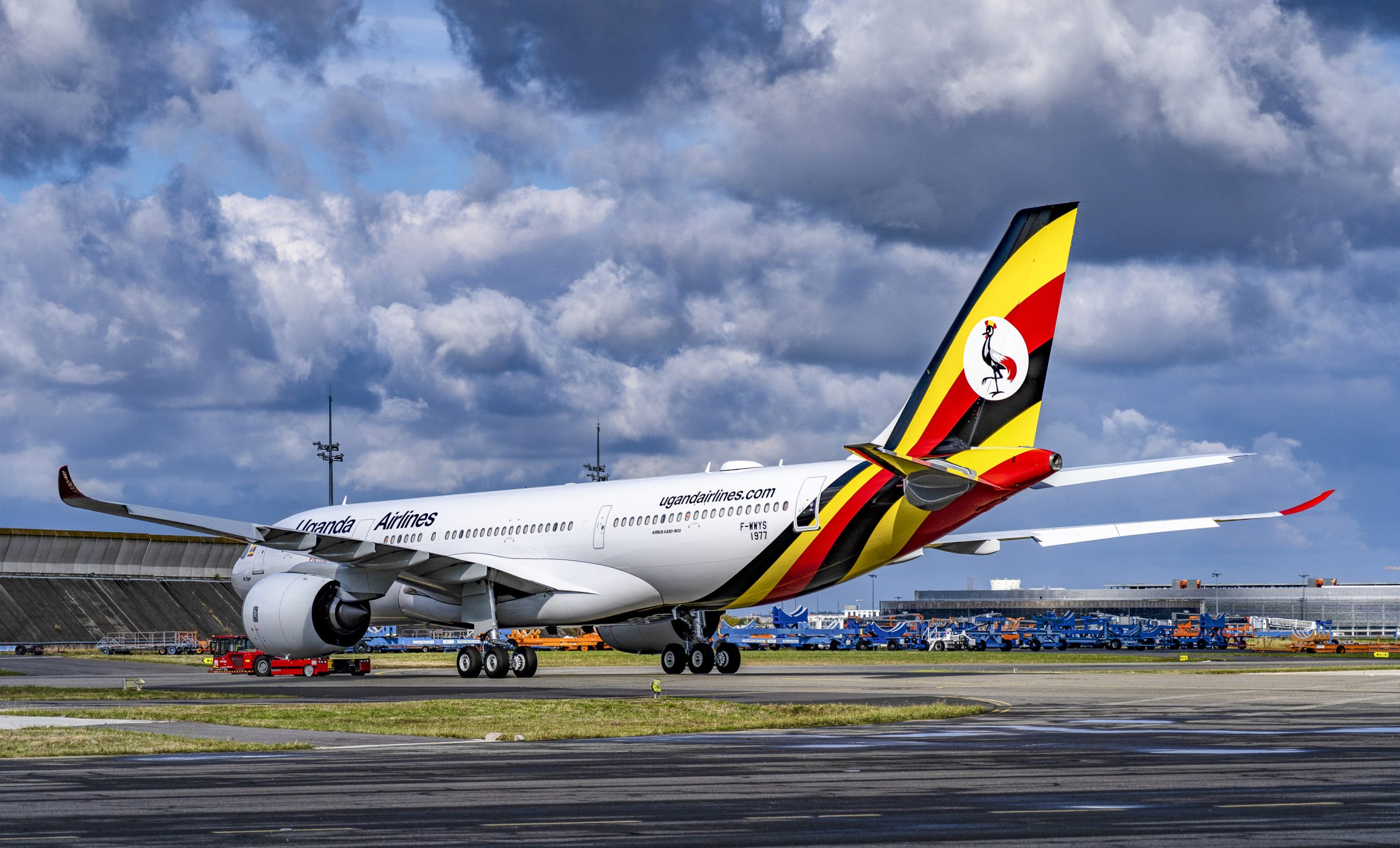
The Uganda Airlines revival project stands at a complex intersection of national pride, public finance, and harsh commercial realities. Many Ugandans see the airline as a powerful symbol of reclaimed sovereignty—a Ugandan flag flying in foreign skies. Others, however, view it as a symbol of waste and mismanagement, a loss-making entity that relies on taxpayer funds yet struggles to deliver reliable service.
This duality defines the central question facing Uganda Airlines today. Are critics holding the carrier to unrealistic standards it was never equipped to meet? Or has the airline failed basic tests of governance and execution that no amount of patience can excuse? The answer will shape not only the airline’s future but also how Uganda approaches state-led investments in capital-intensive sectors.
When the government relaunched Uganda Airlines in 2019, it promised the airline would break even within five years. Officials now admit this timeline was overly optimistic. Works Permanent Secretary Waiswa Bageya says the target ignored both the airline’s modest starting point and the brutal economics of aviation, where scale is a necessity, not a luxury. This challenge grew worse when the Covid-19 pandemic grounded global aviation just one year into operations and wiped out revenues for a fledgling carrier still building its brand and network.
Captain Francis Babu, a veteran aviation analyst, argues that early strategic choices distorted the path to profitability. He contends that purchasing aircraft outright, rather than leasing them, created an immediate and heavy financial burden. Under such a capital-intensive model, he states, a five-year break-even target became more of a political slogan than a realistic business plan.
The financial data confirms a difficult journey. By June 2025, Uganda Airlines recorded a net loss of Shs230.8 billion, a marginal improvement from the previous year’s Shs231.6 billion loss. While revenue grew by 19.2%, offering a glimmer of hope, fleet financing, fuel, and maintenance expenses continued to dominate the cost structure.
The human capital debate remains equally intense. Finance Minister Matia Kasaija openly admits Uganda lacks enough experienced professionals to run a modern airline at scale. The government therefore brought in foreign expertise, particularly from Ethiopia, on a time-bound basis to transfer skills. Kasaija sees this as a necessary bridge to local capacity, not a betrayal of national ability. Bageya supports this approach, noting that specialized advisors can help close gaps in fleet planning and financial structuring while local teams gain hands-on experience.
Captain Babu, however, challenges this sequencing. He argues a start-up airline cannot serve as a training ground. Its first duty is to operate as a viable business under intense competition, which demands leaders with proven turnaround experience. In his view, broad-based localization should follow operational stability, not precede it. This mirrors the long-term success of Ethiopian Airlines, which combined initial foreign partnerships with decades of sustained investment in its own aviation academy to build a home-grown talent pipeline.
Governance instability has further complicated matters. Since its 2019 relaunch, Uganda Airlines has never completed a competitive, permanent CEO recruitment. Acting appointments became the norm and undermined continuity. In 2022, the government overruled a PwC-led global search and appointed Jennifer Bamuturaki as CEO. Her tenure, which ended in 2025, saw internal conflicts, parliamentary scrutiny, and procurement investigations—even as the airline expanded its network to include London.
Operational vulnerabilities grow worse because of the airline’s small fleet. The grounding of a single aircraft can cripple the entire schedule, as holiday disruptions in Lagos and London demonstrated last year. Industry insiders also report instances where scheduled flights diverted to ferry senior government officials, leaving paying passengers stranded. Such political interference directly disrupts operations, inflates costs, and damages reliability.
From a strategic perspective, tourism entrepreneur Amos Wekesa argues that as a landlocked nation, Uganda cannot afford to be “airlocked.” Reliable air connectivity drives trade and tourism. In this light, Uganda Airlines serves a purpose beyond its balance sheet. Yet, he cautions that repeated delays and poor planning have eroded passenger trust. Passengers often praise the onboard experience, but the journey to the gate remains unreliable.
In conclusion, Uganda Airlines is neither a complete failure nor a success story. It is an unfinished project, burdened by unrealistic timelines, political meddling, and avoidable errors, yet driven by genuine strategic intent. Its future depends on a decisive shift away from prestige-driven expansion toward disciplined commercial logic, robust governance, and a clear separation between state oversight and day-to-day operations. Without these changes, pressure on this national asset will only intensify.