In a notable shift in U.S. trade finances, tariff revenue collected by the federal government fell sharply — by nearly $3 billion — between November and December. This drop reflects changes in import activity, seasonal economic patterns, and broader global trade dynamics. Tariff revenue is a key component of federal income tied directly to the volume and value of imported goods, making fluctuations important for policymakers and economists alike.
Understanding this decline helps illuminate trends in consumer demand, international supply chains, and the effectiveness of trade policy. This article breaks down what happened, why it matters, and what analysts are watching as trade patterns evolve.
What Happened: The Numbers
According to data released by the U.S. Department of the Treasury, tariff collections — duties paid on imports — decreased by almost $3 billion from November to December. While tariffs had risen in prior months due to increased imports and inflationary pressures, December’s decline signals a reversal of that trend.
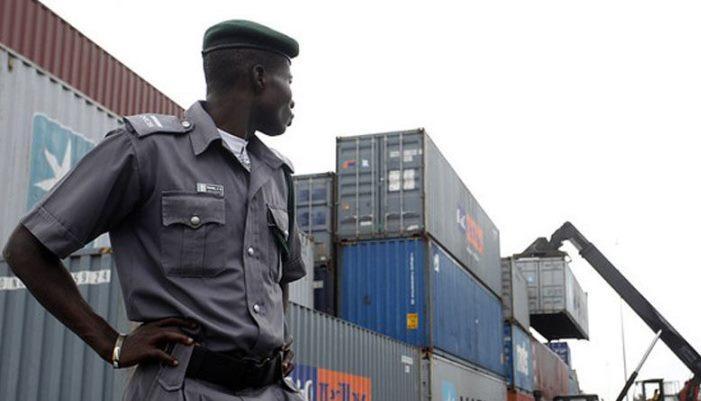
Tariffs are collected at U.S. ports of entry on goods arriving from abroad. These collections are recorded monthly and provide insight into broader trade flows. A large decline in such revenue from one month to the next suggests a substantive drop in imports, a shift toward goods subject to lower duties, or a combination of both.
Economists say that while tariff revenue is only a fraction of federal receipts overall, its movement can serve as an early indicator of changes in international trade and domestic demand — particularly around peak shopping seasons like the holidays.
Why the Drop Occurred
Several factors contributed to the tariff revenue decline between late fall and year’s end:
1. Lower Import Volume
One of the most direct causes of reduced tariff revenue is a decrease in the total amount of goods imported. After a strong import surge earlier in the year, shipments slowed in December as retailers drew down inventories or delayed orders in response to shifting demand and supply-chain planning.
Consumer behavior often shifts after major shopping events like Black Friday, Cyber Monday, and Christmas, which can cause import patterns to taper at the end of the calendar year.
2. Seasonal Adjustments
Trade flows are inherently seasonal. Businesses often adjust inventory levels based on expected consumer demand and holiday cycles. Importers typically bring in goods earlier in the year to prepare for holiday sales and then reduce shipments as the season ends.
This seasonality often shows up in tariff data as natural fluctuations from month to month. Analysts expect some volatility around year‑end, though the magnitude of this recent drop has raised attention due to its size.
3. Changes in Goods Composition
The mix of imported goods can influence tariff revenue even if overall import values remain relatively steady. Some categories of imports are subject to high tariff rates, while others enter duty‑free under U.S. trade agreements or classification codes.
If imports shift toward lower‑tariff goods — like certain agricultural products or duty‑free inputs — overall tariff collections can decline despite continued trade activity. Temporary changes in import patterns can therefore disproportionately affect tariff receipts.
4. Trade Policy and Global Conditions
Ongoing fluctuations in global supply chains and trade policy uncertainty can also influence import volumes. Companies facing geopolitical tensions, shipping delays, or changing tariff expectations may alter their ordering patterns.
Although U.S. trade policy has remained relatively stable in recent months, ongoing negotiations with trading partners and broader economic conditions — such as inflation and interest rates — can have spillover effects on import behavior.
What This Means for the U.S. Economy
The $3 billion drop in tariff revenue is significant, but it must be evaluated in context. Tariff collections make up a small portion of overall federal revenue (which primarily comes from income and payroll taxes). Still, sharp monthly swings can highlight underlying shifts in trade and demand.
Consumer Demand Signals
Tariff revenue often mirrors consumer and business import demand. A sharp decline late in the year could indicate a post‑holiday slowdown, inventory adjustments, or a broader cooling in demand for imported goods. Economists watch these trends as one piece of a larger economic puzzle, alongside retail sales, manufacturing data, and consumer confidence indicators.
Federal Budget Planning
While tariff revenue itself is not a major driver of federal budget outcomes, unexpected declines can affect short‑term revenue projections. The Treasury and the Congressional Budget Office (CBO) monitor these receipts as part of broader fiscal forecasting.
Consistent declines in tariff collections over several months might prompt analysts to reassess revenue expectations, though a one‑off drop is not usually considered cause for alarm.
Industry and Policy Reactions
Economic analysts and trade experts have weighed in on the significance of the decline.
Some economists emphasize that month‑to‑month variability in tariff revenue is common, especially around year‑end, and is often tied to seasonal business cycle patterns rather than structural shifts.
Others point out that if the trend were to continue into early 2026, it could reflect deeper changes in global trade dynamics or shifts in how U.S. businesses source goods.
From a policy perspective, trade advocates stress the need for more diversified economic data to interpret revenue shifts — tariff revenue alone does not provide a comprehensive picture of trade health.
Looking Ahead
With data now available for early 2026, analysts will monitor whether tariff revenue rebounds as import activity resumes after the holiday season. Additional factors they will consider include:
- Global economic conditions: Continued recovery or slowdown in major economies can affect U.S. imports.
- Consumer spending trends: Retail and durable goods demand affects import orders.
- Supply chain adjustments: Changes in shipping costs, port congestion, and logistics can impact seasonal patterns.
- Trade agreements: New or renewed trade agreements may alter tariff schedules or import flows over time.
Economists underscore that interpreting tariff revenue requires balancing short‑term volatility with long‑term trends. A single month’s data, while noteworthy, must be evaluated alongside broader economic indicators.
The nearly $3 billion drop in U.S. tariff revenue from November to December highlights a significant monthly shift in trade‑related receipts, driven by lower import volumes and seasonal patterns. While tariff collections are a relatively small component of overall federal revenue, their fluctuation provides insight into trade activity and economic behavior at the end of the year.
Observers will continue to watch how tariff revenue evolves in 2026, considering both external trade factors and domestic economic conditions. For businesses, policymakers, and economists, these trends are one element in a complex picture of global trade and economic performance.