East Africa’s manufacturing ambitions are gaining momentum, and at the centre of this transformation lies one decisive factor: energy. For Tanzania, reliable, affordable, and diversified power supply has become the essential link connecting policy ambition to real industrial output. Without it, factories stall, investors hesitate, and regional competitiveness fades. With it, manufacturing ecosystems can scale, integrate, and thrive.
As one of the region’s fastest-growing economies, Tanzania is deliberately positioning energy infrastructure as the foundation of its industrial strategy. By combining natural gas development, renewable energy expansion, and innovative financing partnerships, the country is laying the groundwork to emerge as a manufacturing anchor for East Africa.
Energy as the First Driver of Industrialization
Across Africa, energy availability often determines whether industrial policy succeeds or fails. Manufacturing depends on uninterrupted power, predictable costs, and the ability to scale production without energy constraints. Tanzania’s leadership recognized this early, embedding energy development at the heart of its long-term economic planning.
According to Elias Ngunangwa, energy infrastructure is the “first domino” in the industrialization chain. Once it falls into place, it unlocks progress across manufacturing, job creation, and inclusive growth. This thinking underpins Tanzania’s national energy policy, which prioritizes infrastructure development as a prerequisite for industrial expansion and reduced import dependence.
Balancing Hydro, Gas, and Renewables
Tanzania’s current energy mix relies heavily on hydropower, which accounts for roughly 60 percent of generation capacity. While hydro provides low-cost electricity, it also exposes the country to climate risks, particularly droughts. To mitigate this vulnerability, Tanzania is accelerating diversification.
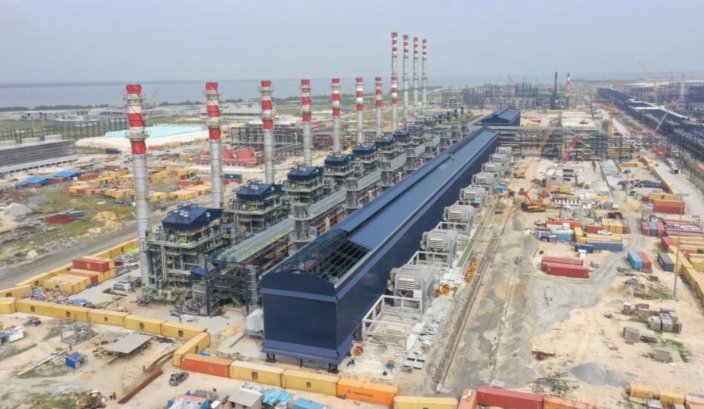
Natural gas plays a central role in this strategy. With sizeable reserves, including fields such as Songo Songo, Tanzania holds a strong comparative advantage in gas-based power generation. Gas offers a stable, cleaner-burning option that can support energy-intensive industries such as cement, steel, glass, and textiles while complementing longer-term renewable goals.
At the same time, renewable energy—especially solar—is gaining traction. Licensing frameworks and investor incentives are encouraging new projects that expand capacity without increasing carbon intensity. Together, gas and renewables are enabling Tanzania to meet current industrial demand while preparing for a lower-carbon future.
Integrating Energy Directly With Industry
One of Tanzania’s most significant advances has been the direct integration of energy supply with industrial demand. Gas producers in the south of the country now transport fuel via pipeline to Dar es Salaam, supplying dozens of major industrial users. This model reduces transmission losses, stabilizes pricing, and ensures consistent power for manufacturers.
Such projects illustrate how strategic infrastructure investment can directly raise industrial productivity. By linking gas extraction, transport, and end-use in a single value chain, Tanzania is converting energy resources into tangible economic output and positioning itself as a reliable manufacturing base within the region.
Regional Energy Trade and Cross-Border Influence
Tanzania’s ambitions extend beyond domestic supply. As a member of multiple regional blocs, the country participates in cross-border energy cooperation through East Africa’s interconnected power systems. Surplus gas and electricity can be exported to neighbouring countries during shortages, strengthening regional resilience.
This role as both producer and exporter enhances Tanzania’s influence in East Africa’s industrial ecosystem. Energy trade supports regional manufacturing competitiveness, deepens economic integration, and positions Tanzania as a future net power exporter—an increasingly valuable status as industrial demand rises across the region.
Financing Infrastructure Through Strategic Partnerships
Large-scale energy projects demand significant capital, technical expertise, and long-term risk management. This is where financial institutions such as Stanbic Bank Tanzania have become critical partners in Tanzania’s development journey.
Rather than relying solely on traditional lending, Stanbic Bank provides tailored financial solutions designed specifically for energy infrastructure. These include structured finance, risk-sharing mechanisms, and advisory support that help investors navigate complex regulatory and operational environments.
Beyond financing, the bank supports capacity-building initiatives that improve investor understanding of Tanzania’s energy landscape. This reduces uncertainty, speeds up project execution, and attracts a broader pool of domestic and international capital.
Public-Private Partnerships and Innovative Funding Models
As infrastructure needs grow, Tanzania is increasingly embracing alternative funding approaches. Public-Private Partnerships have emerged as a key mechanism for accelerating project delivery without overburdening public finances. PPPs allow the government to mobilize private capital, technical know-how, and innovation while retaining strategic oversight.
Officials at the Ministry of Finance’s PPP Centre have emphasized that such models are essential, as the state cannot rely solely on taxes or borrowing to fund national infrastructure. Alongside PPPs, instruments such as green bonds are gaining traction, aligning energy investment with sustainability goals and global ESG standards.
Building an Industrial Future for East Africa
Tanzania’s approach to energy development reflects a broader vision of regional leadership. By investing in diversified power generation, integrating energy with industry, and strengthening cross-border networks, the country is building the conditions necessary for sustained manufacturing growth.
Energy infrastructure is not just powering factories; it is shaping Tanzania’s economic identity. With continued collaboration between government, financiers, and private investors, Tanzania is positioning itself not only to meet domestic industrial needs but to serve as a cornerstone of East Africa’s manufacturing future.