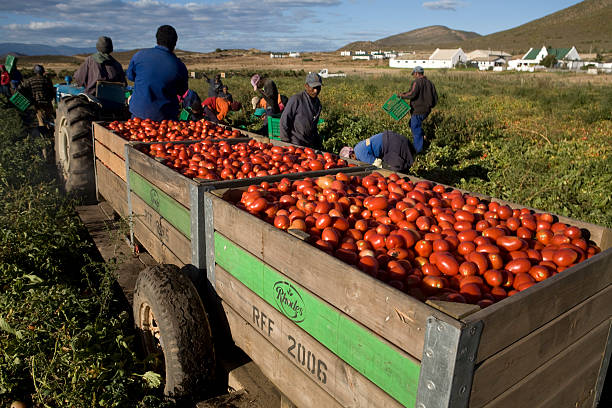
Agriculture in Africa is the backbone of many economies, providing food, employment, and income for millions of people. However, pest infestations have long been a persistent challenge, threatening crop yields and food security. To address this, Integrated Pest Management (IPM) has emerged as a holistic and sustainable approach to pest control, helping African farmers improve productivity while protecting the environment.
What is Integrated Pest Management (IPM)?
Integrated Pest Management (IPM) is a pest control strategy that combines various methods to manage pest populations in an environmentally sustainable way. Unlike traditional methods that rely heavily on chemical pesticides, IPM focuses on using a combination of biological, cultural, mechanical, and chemical techniques to keep pest populations under control. The goal is not to eliminate pests completely but to reduce their numbers to levels that do not cause significant harm to crops.
IPM is highly relevant in Africa, where agricultural practices are often small-scale and reliant on organic farming. By adopting IPM, farmers can reduce the environmental impact of pesticides, lower production costs, and improve crop resilience.
The Core Principles of IPM
IPM is based on several core principles that guide its implementation:
- Prevention: This involves minimizing pest problems by improving farming practices such as crop rotation, selecting pest-resistant plant varieties, and proper soil management.
- Monitoring: Regular pest monitoring is essential to detect early signs of infestations. This helps farmers determine when pest control measures are needed, preventing unnecessary pesticide use.
- Cultural Practices: Cultural control involves using farming techniques that reduce pest habitat and breeding grounds. Techniques include adjusting planting times, using trap crops, and mulching.
- Biological Control: This method involves using natural predators, such as insects, birds, or microorganisms, to control pest populations. Biological control can be highly effective in reducing pest numbers without harming the environment.
- Mechanical and Physical Control: This includes physical barriers like nets and traps or mechanical methods such as hand-picking pests from plants. These methods are labor-intensive but effective for small-scale farms.
- Chemical Control (as a last resort): When pest numbers exceed acceptable levels, the use of chemical pesticides may be necessary. However, in IPM, this is done in a targeted and controlled manner, using the least toxic products to minimize harm to non-target organisms.
Benefits of IPM in African Agriculture
- Environmental Sustainability: IPM reduces the reliance on chemical pesticides, which can contaminate the soil, water, and air. By using eco-friendly pest control methods, IPM promotes biodiversity and conserves natural resources.
- Improved Crop Yields: By effectively managing pest populations, IPM helps farmers achieve higher crop yields. Healthy crops are less susceptible to damage and can withstand pests better, leading to more productive harvests.
- Cost Savings: IPM helps farmers save money by reducing the need for expensive pesticides. With regular monitoring and targeted pest control methods, farmers can avoid unnecessary pesticide applications and reduce input costs.
- Public Health Benefits: Excessive use of pesticides can have adverse health effects on farmers and consumers. IPM reduces pesticide residues in food, making agricultural products safer for consumption.
- Long-Term Pest Control: By focusing on prevention and long-term solutions, IPM helps create sustainable pest management systems that are less reliant on external inputs, ensuring pest control measures are effective over the long run.
Implementing IPM in Africa
The implementation of IPM in African agriculture faces several challenges, including limited access to resources, inadequate training, and lack of awareness. However, there have been significant strides in recent years to overcome these challenges.
- Training and Education: Farmers need to be educated on the benefits and principles of IPM. Agricultural extension services, NGOs, and government programs have been instrumental in training farmers and providing them with the tools and knowledge to implement IPM practices effectively.
- Research and Development: African countries are investing in research to identify pest-resistant crop varieties, biological control agents, and innovative IPM techniques. Collaborations between international organizations, universities, and local research institutions are crucial for advancing IPM solutions.
- Government Support and Policies: Governments play a critical role in creating policies that encourage sustainable agricultural practices. Providing subsidies for eco-friendly pest control methods, promoting IPM awareness, and ensuring access to pest management resources are essential steps.
- Farmer Collaboration: IPM requires cooperation among farmers, as pest problems often cross boundaries. Encouraging farmer groups, cooperatives, and community-driven initiatives helps improve pest management strategies and fosters shared knowledge.
Success Stories from Africa
Several African countries have seen success in adopting IPM practices. For instance, in Kenya, smallholder farmers have used IPM techniques such as intercropping and using natural predators to control pests like the maize stalk borer. Similarly, in Ethiopia, farmers have adopted the use of biocontrol agents like parasitic wasps to combat the destructive fall armyworm.
These success stories highlight the potential of IPM to transform African agriculture, ensuring that pest management is both effective and sustainable.
Conclusion
Integrated Pest Management is a game-changer for African agriculture. By reducing the reliance on chemical pesticides and adopting sustainable, eco-friendly practices, IPM offers farmers a practical solution to manage pest populations and enhance food security. With continued education, research, and government support, IPM has the potential to revolutionize agriculture across Africa, making it more resilient, productive, and environmentally friendly.