Securing reliable access to water has always been a challenge across much of Africa. However, climate change is rapidly intensifying this pressure, pushing water systems in many countries toward breaking point. As droughts become more frequent and severe, governments, communities, and investors face an urgent need to rethink how water is sourced, managed, and financed. Recent developments in North Africa, particularly Morocco, are now emerging as potential models for the rest of the continent.
Climate Change Tightens Africa’s Water Squeeze
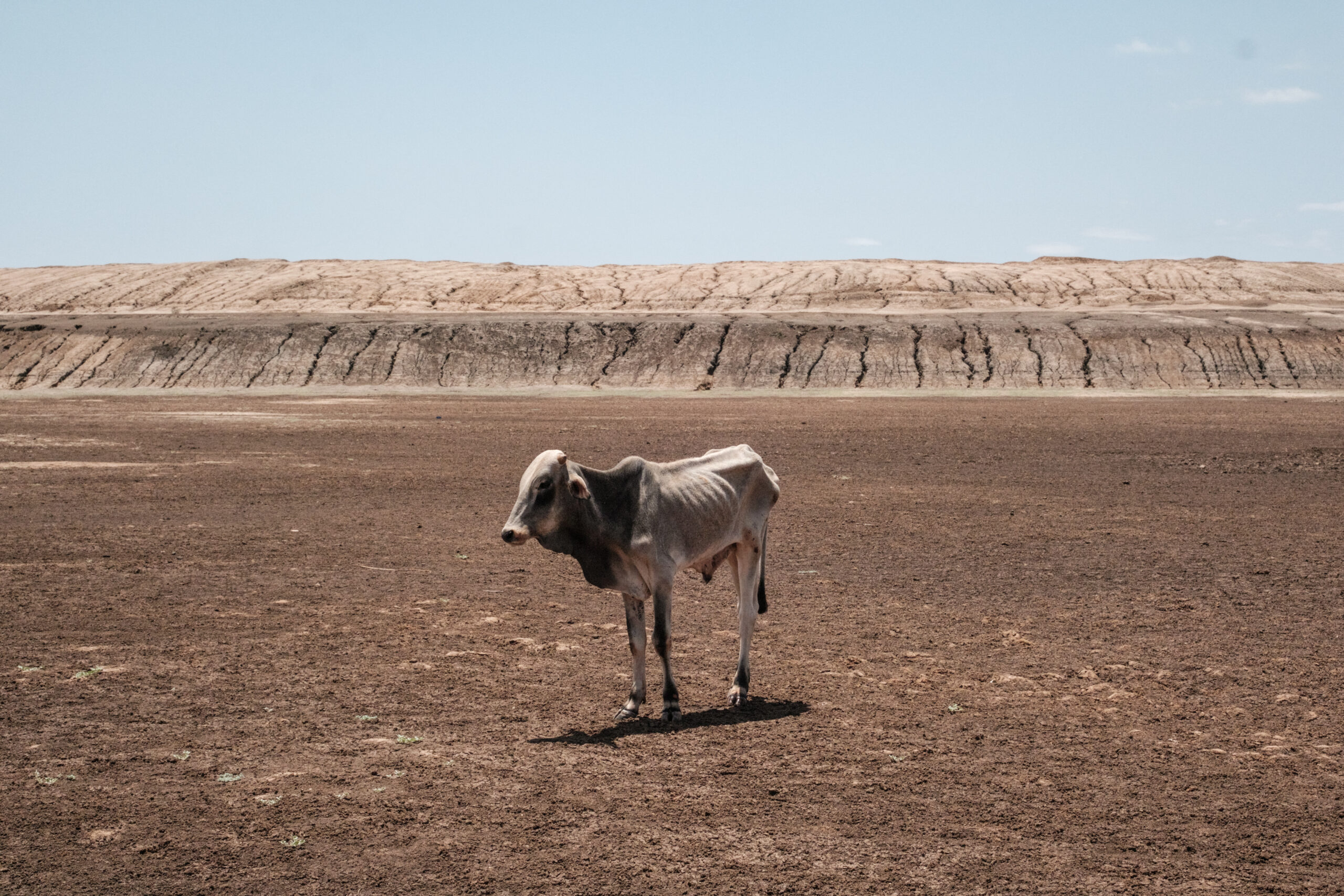
Across eastern and southern Africa, prolonged dry spells have already devastated agriculture, reduced hydropower generation, and threatened food security. These challenges mirror crises elsewhere in the world. In Iran, officials have warned that water shortages could force the evacuation of Tehran, while in South Africa, Cape Town narrowly avoided “Day Zero” in 2018, when municipal water supplies were close to running out.
Such experiences highlight the risks facing African cities and rural communities alike as rainfall patterns become more erratic. Climate change is no longer a future threat but a present reality that is reshaping how water resources must be managed.
Water Infrastructure Takes Center Stage Globally
At the World Water Congress, held recently in Marrakesh, the urgency of strengthening water infrastructure in Africa and the wider Global South dominated discussions. Speaking at the event, Retno Marsudi, the UN Secretary-General’s special envoy on water, warned that the world is far from achieving universal access to safe water and sanitation.
She described a “grim picture,” noting projections that by 2030, around 4.8 billion people could face health and livelihood risks due to poor water quality. For Africa, where population growth and urbanisation are accelerating, the implications are especially severe.
Morocco’s Long Tradition of Water Innovation
Marrakesh proved a fitting host city for the Congress, given Morocco’s long history of adapting to water scarcity. Centuries ago, farmers in the Atlas Mountains built underground channels known as khettaras to transport water to farms and settlements on the plains. Today, the country continues to innovate using modern technology.
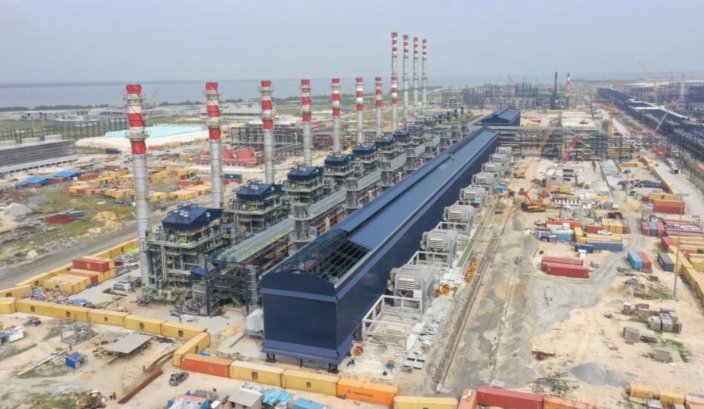
Few visitors realise that the lush golf courses and green spaces around Marrakesh are sustained largely by recycled water. Since 2011, a $1.5bn wastewater treatment facility operated by Moroccan parastatal SRM-MS has supplied treated wastewater for irrigation, green spaces, and industrial use, including phosphate production by OCP.
According to SRM-MS, the facility uses advanced primary, secondary, and tertiary treatment processes to remove solids, organic matter, and harmful pathogens. This large-scale reuse of wastewater places Marrakesh among the world’s leaders in non-conventional water solutions.
Financing Constraints Across Sub-Saharan Africa
While Morocco has benefited from government funding and contributions from water users such as hotel chains, replicating this model elsewhere in Africa remains difficult. In much of sub-Saharan Africa, fiscal constraints and declining donor funding limit the ability to invest in capital-intensive water projects.
Rachel Cardone, director of strategy and investment at the Resilient Water Accelerator, notes that many African governments have traditionally relied on donors to subsidise water systems due to limited tax bases. As global funding priorities shift, countries are increasingly forced to explore domestic and regional financing solutions.
Cardone argues that Africa must move toward Africa-led water solutions, with governments, local capital providers, and regional institutions playing a stronger role in shaping sustainable investment models.
Taking Water Governance More Seriously
Despite water being fundamental to health, agriculture, and economic development, many experts argue it has historically been under-prioritised in policy decisions. AMCOW executive secretary Rashid Mbaziira warns that decision-makers often lack access to reliable data on rainfall, groundwater, and climate trends.
Without accurate information, governments struggle to plan effectively. Although awareness of the challenge is growing, Mbaziira says finance ministries frequently underestimate the economic costs of failing to invest in water infrastructure, leading to chronic underfunding.
Desalination at the Heart of Morocco’s Strategy
Morocco is now pursuing one of Africa’s most ambitious water modernisation programmes, with desalination at its core. The country’s water and equipment minister, Nizar Baraka, says desalination capacity has expanded dramatically, from 35 million cubic metres in 2021 to 350 million today. By 2030, Morocco aims to reach 1.7 billion cubic metres, supplying up to 60% of its drinking water.
Crucially, Morocco plans to power desalination plants entirely with renewable energy. Abundant solar and wind resources have reduced desalination costs by around 50%, bringing them down to roughly $0.40 per cubic metre while limiting carbon emissions.
Climate change has made these investments unavoidable, Baraka says. Morocco has already lost 30% of its water capacity since the 1980s and could lose another 30% by 2040, forcing the country to seek new, resilient solutions.
Lessons for the Rest of Africa
Morocco’s experience is increasingly viewed as a model for other African nations. Countries such as Senegal are already moving in this direction, signing deals with international partners to develop large desalination facilities. Moroccan companies, Baraka notes, are also expanding south of the Sahara, offering expertise in mobile desalination units and large-scale infrastructure.
International Water Management Institute regional representative Youssef Brouziyne agrees that sub-Saharan Africa can learn from North Africa’s regulatory and financing frameworks. Public-private partnerships, clear regulations, and domestic capacity-building have helped attract long-term investment into water megaprojects.
However, Brouziyne cautions that megaprojects alone are not enough. Dams and large reservoirs, while useful, can suffer heavy losses through evaporation, as seen at Egypt’s Lake Nasser. Managing demand is just as important as expanding supply.
Balancing Supply, Demand, and Sustainability
As Africa faces a drier future, experts stress the need to address water use across all sectors. Agriculture, mining, and emerging industries such as data centres must reduce water consumption and minimise pollution. Efficient irrigation, water recycling, and better regulation will be essential to ensure long-term sustainability.
Innovation in water management, combined with stronger governance and financing models, will determine how well Africa adapts to climate change. The experience of North Africa shows that solutions exist, but scaling them across the continent will require political will, regional cooperation, and a recognition that water infrastructure delivers wide-ranging economic and social returns.