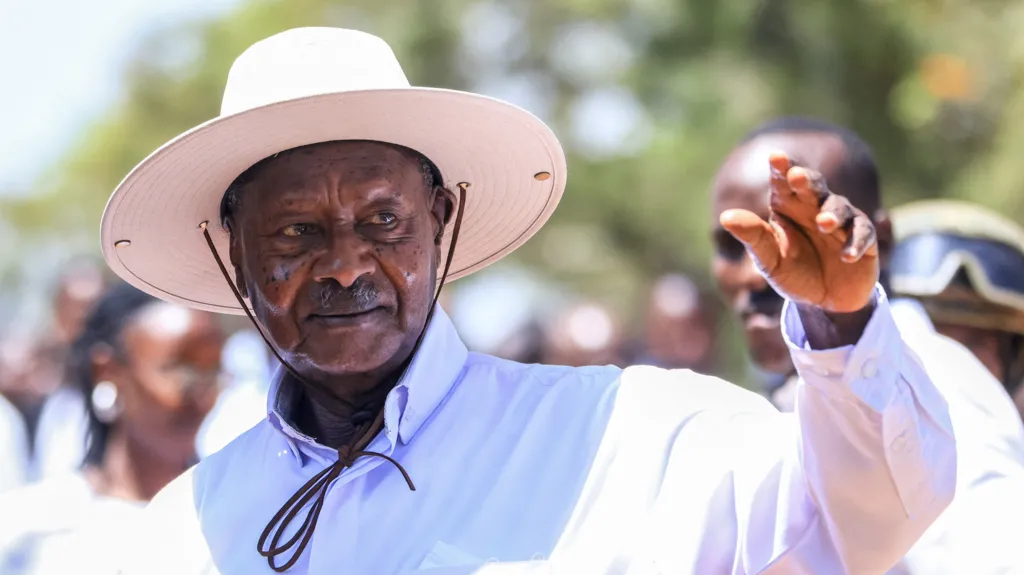
Kampala, Uganda — President Yoweri Museveni has been declared the winner of Uganda’s presidential election, securing a new five-year term after what electoral authorities described as a transparent and orderly voting process. The result extends his leadership, which began in 1986, following a nationwide poll that officials say met constitutional and legal standards.
According to the Uganda Electoral Commission, Museveni won a clear majority of the vote, defeating his closest challenger, Bobi Wine. The commission said tallying was conducted openly and results were verified in line with electoral law, reinforcing confidence in the Museveni victory announced in the capital.
The declaration confirms that the election was conducted fairly, with the commission stating that procedures were followed across polling stations nationwide. Officials noted that while competitive campaigns often generate strong emotions, the final outcome reflected the will of voters who turned out to choose their next president.
Museveni, now 81, first assumed power as a rebel leader nearly four decades ago and has since remained a dominant figure in Uganda’s political landscape. During the campaign, he emphasized stability, economic continuity, and regional security, arguing that experienced leadership remains critical for a country with a complex history of conflict and recovery.
Wine, a former musician who has built strong support among younger voters, challenged the results and raised concerns about the process. However, authorities said no substantiated evidence was presented to overturn the official outcome. Security agencies maintained that public order measures during and after voting were aimed at preventing unrest rather than limiting political participation.
Voting took place amid heightened security, and turnout stood just above half of registered voters. Several candidates contested the presidency, though none apart from the leading two secured significant support. Election observers acknowledged logistical challenges but said these did not undermine the integrity of the final count.
Temporary internet restrictions imposed during the voting period drew criticism from rights groups, yet the government defended the move as a precaution against misinformation and incitement. Officials later reiterated commitments to restore normal services while safeguarding public order in the aftermath of the polls.
With the Museveni victory now confirmed, attention shifts to governance priorities for the new term. Analysts say the president faces expectations to address youth unemployment, corruption concerns, and democratic reforms, while maintaining economic growth and stability. The government has pledged inclusive dialogue as Uganda enters the next phase of its political journey.