Africa moves into 2026 facing a rare convergence of opportunity and risk. Economic momentum is returning after years of global shocks, yet deep structural weaknesses continue to limit how far growth improves everyday life. At the same time, insecurity, electoral politics, and an increasingly unstable international system are reshaping how African states relate to one another and to the wider world.
From the analytical lens of African political economy, the year ahead will be shaped by eleven major dynamics that cut across economics, security, governance, and geopolitics. Together, they will determine whether Africa’s current rebound becomes a platform for sustained progress or another fragile upswing vulnerable to disruption.
1. Faster Growth That Remains Uneven
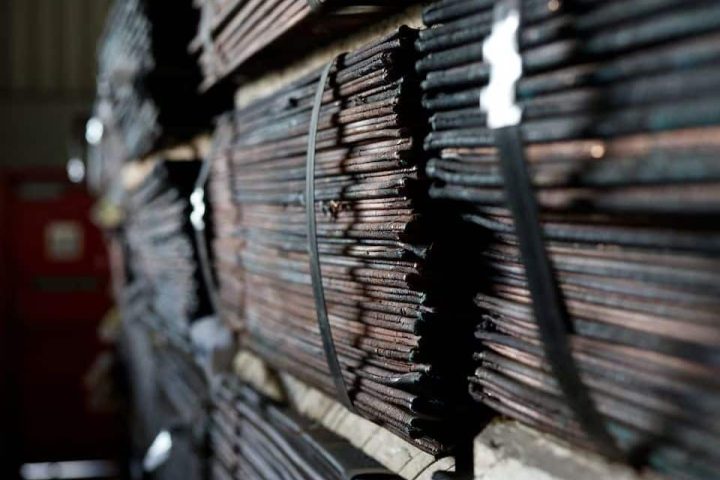
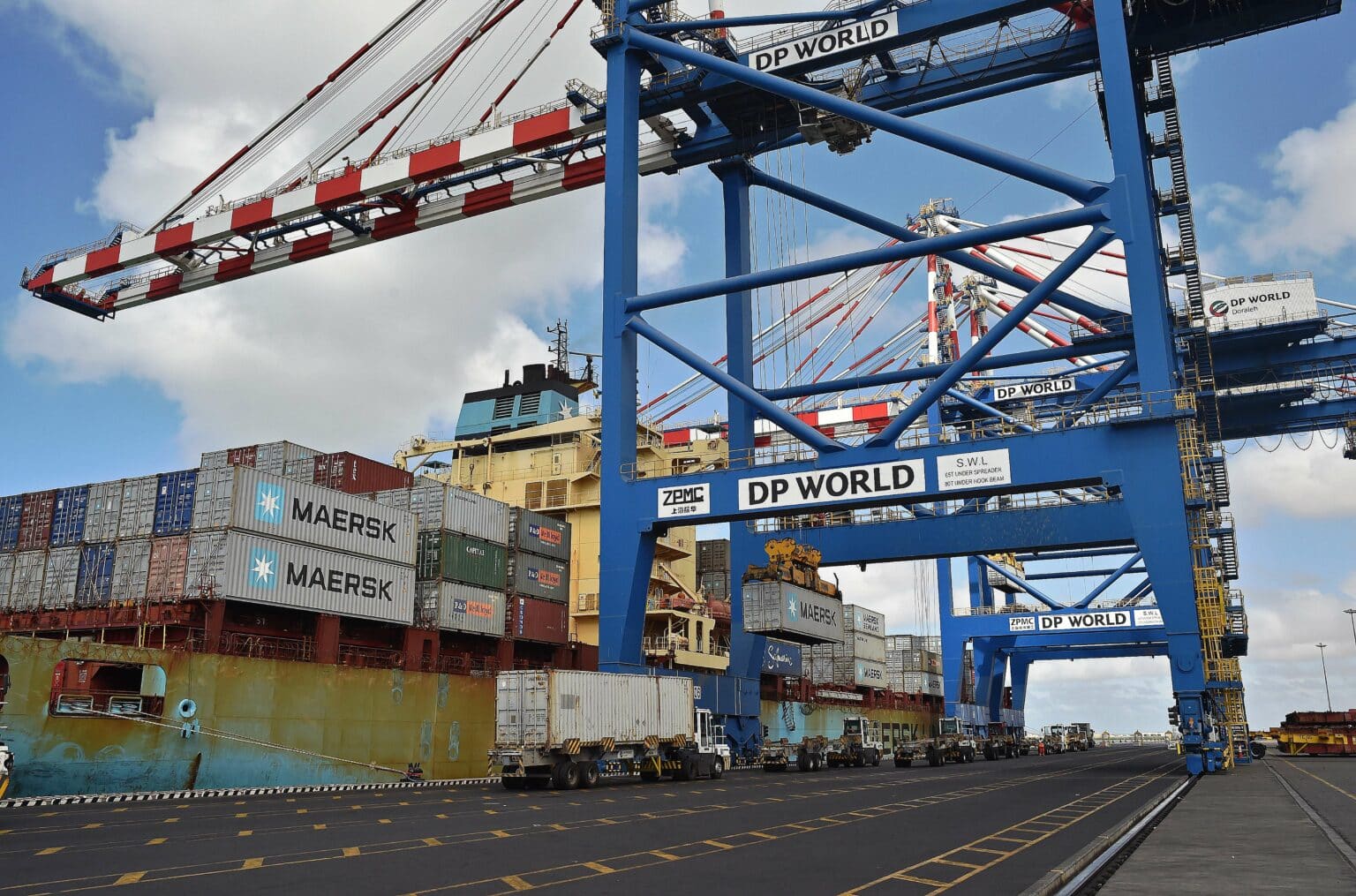
African economies are expected to record strong nominal growth in 2026, outperforming most other regions. According to projections by the African Development Bank, commodity demand—particularly for metals—will be a major driver of this expansion.
However, the challenge will remain translating macroeconomic growth into broad-based human development. Job creation, wage growth, and service delivery will lag behind headline numbers in many countries. Growth will lift confidence and fiscal space, but without deeper reforms it will not automatically improve living standards.
2. Natural Resource Losses Will Continue to Weigh on Revenues
Poor management of natural resources will remain a major drag on public finances. Smuggling, weak oversight, and short-term policymaking are draining revenue even as global prices rise. Gold losses in countries like Ghana and Madagascar illustrate how commodity booms can fail to strengthen state capacity.
As analyst Bright Simons has argued, Africa’s mineral wealth is often exaggerated. What matters more than what lies underground is whether resources are extracted efficiently, taxed fairly, and reinvested into domestic development.
3. Governments Push Growth-Oriented Policy Experiments
Several African governments are increasingly prioritizing growth even under fiscal pressure. Countries including Kenya, Ethiopia, Benin, Côte d’Ivoire, Rwanda, and Tanzania are showing greater openness to policy experimentation and regional learning.
Kenya’s attempt to mobilize private capital through public-private partnerships, asset securitization, and debt restructuring reflects a broader shift. While politically contentious, such strategies signal a willingness to pursue expansion even in constrained conditions rather than accept prolonged stagnation.
4. Nigeria Enters a Fragile Recovery Phase
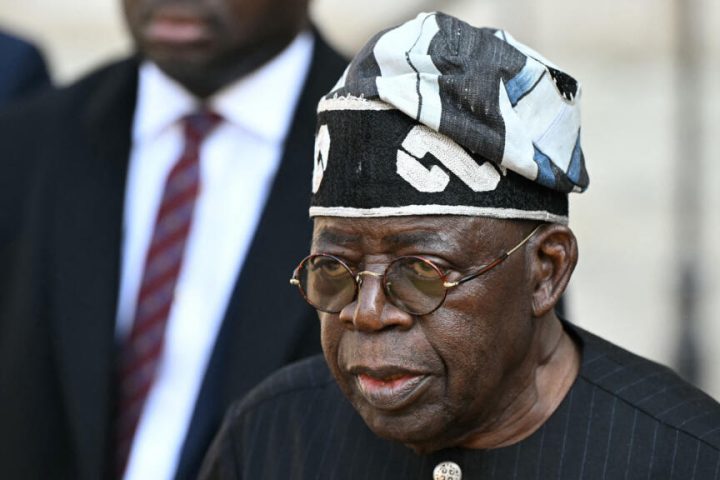
Nigeria is projected to grow above four percent in 2026 as inflation moderates and consumer demand rebounds. After painful reforms under President Bola Tinubu, currency stability and macroeconomic normalization are beginning to take hold.
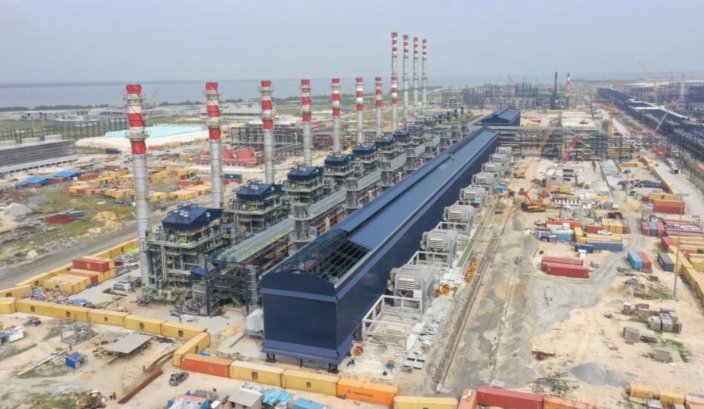
The Dangote Refinery represents a structural turning point by reducing reliance on fuel imports and weakening entrenched subsidy networks. Still, political pressures ahead of the 2027 elections may slow reform momentum, leaving questions about whether recovery can be sustained.
5. South Africa Finds Its Footing
South Africa is expected to register modest but improving growth despite trade pressure and diplomatic tensions with Washington. The Government of National Unity has held together, enabling continued reforms in electricity supply, logistics, and governance.
With local elections approaching, political competition may push improvements in service delivery. While growth remains subdued, consensus is building that South Africa has exited its prolonged stagnation phase.
6. Human Capital Gaps Limit Long-Term Gains
One of Africa’s most persistent constraints remains the quality and scale of human capital. Decades of underinvestment in higher education have left many economies ill-prepared for skill-intensive global demand.
As economist Tyler Cowen has observed, growth depends on talent and the ability to deploy it productively. Africa’s education systems continue to struggle to produce world-class skills at scale, limiting the continent’s ability to benefit fully from global economic reorganization.
7. Insecurity and Coups Remain a Central Threat
Violence in the Sahel and parts of West Africa will continue to dominate headlines. The region now accounts for a significant share of global terrorism-related deaths, with instability spreading toward coastal states.
Weak institutions and public discontent heighten coup risk, particularly in countries such as Mali, Burkina Faso, Niger, Chad, and the Central African Republic. Military solutions alone will not deliver stability without political settlements and improved governance.
8. Red Sea Conflicts Fuel Regional Instability
Ongoing wars in Sudan, Ethiopia, and Somalia will persist in 2026, driven in part by Red Sea geopolitics and external interventions. In Sudan, civilian suffering continues at catastrophic levels. In Ethiopia, localized conflicts remain widespread even as core economic centers stay intact.
Somalia faces renewed pressure from Al Shabaab, weakening state legitimacy and complicating regional security—especially as debates over Somaliland intensify.
9. Elections Will Test Political Resilience
Several high-stakes elections will shape political trajectories across the continent. Uganda, Benin, Ethiopia, and Zambia will all hold national polls in 2026.
Uganda is expected to see President Yoweri Museveni extend his long rule, keeping succession politics unresolved. Benin’s transition following President Patrice Talon’s exit could strengthen democratic norms. Zambia’s election will hinge on whether economic recovery offsets voter frustration over power shortages and living costs.
10. Somaliland Recognition Will Slowly Expand
More countries are likely to move toward recognizing Somaliland, following Israel’s earlier decision. While large-scale interstate conflict remains unlikely, Red Sea geopolitics will intensify.
Regional actors such as Ethiopia and Kenya may pursue quiet, practical engagement short of formal recognition. Managing the internal political and economic effects of growing international attention will be Somaliland’s biggest challenge.
11. A Disorderly Global System Raises the Stakes
Perhaps the most far-reaching shift is the erosion of global norms and international legal consistency. In a multipolar world where rules are applied selectively, Africa faces greater exposure to proxy conflicts, exploitative deals, and external interference.
Yet outcomes are not predetermined. Countries that prioritize institutional learning, economic growth, and strategic realism can still navigate this environment successfully. Africa’s trajectory in 2026 will depend less on fate and more on policy choices made under pressure.