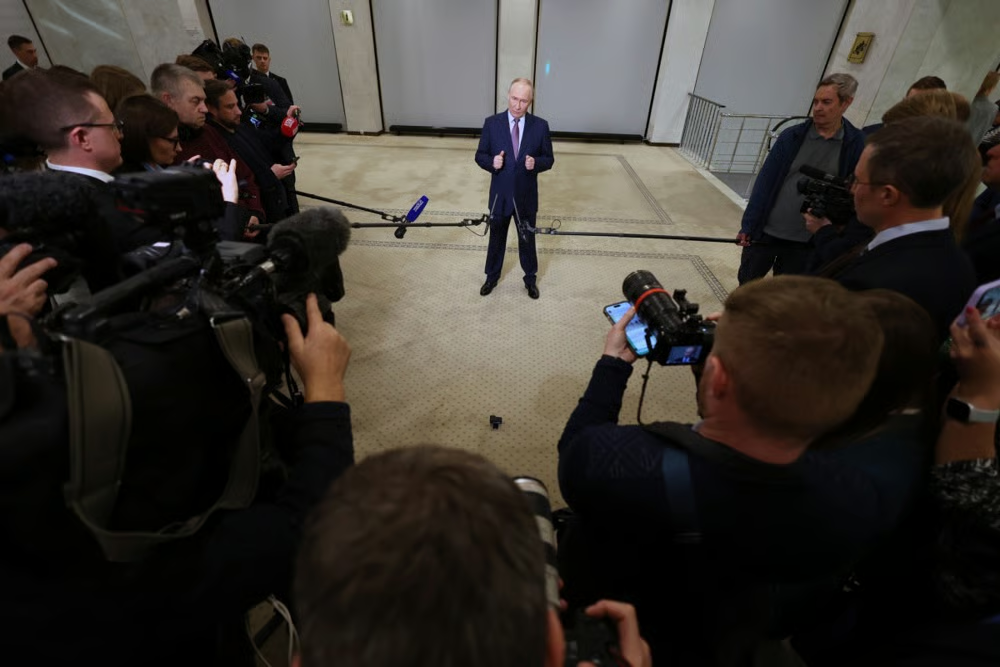
Russian President Vladimir Putin has strongly rejected U.S. sanctions targeting Russia’s two largest oil companies, Rosneft and Lukoil. These sanctions, imposed on October 22, 2025, aim to undermine Russia’s war finances amid its ongoing invasion of Ukraine. Although Putin acknowledged that the measures are “serious” and may cause “some losses,” he emphasized that Russia would not succumb to external pressure. Instead, he vowed to protect the country’s economic stability and continue its military operations.
Background of the U.S. Sanctions
The sanctions were announced by U.S. President Donald Trump as part of a broader effort to increase pressure on Russia over its military actions in Ukraine. Specifically, the measures cut Rosneft and Lukoil off from the U.S. financial system, prohibiting American banks, investors, and institutions from conducting transactions with these firms.
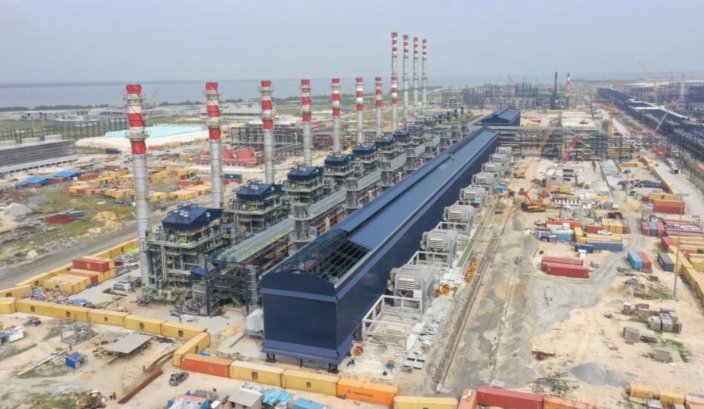
These companies are critical to Russia’s economy. They collectively account for almost half of the country’s crude oil exports, which are a major source of revenue for the government. By targeting these energy giants, the U.S. aims to limit Russia’s ability to finance its military operations and to signal that international support for its aggression carries consequences.
The sanctions have already caused global ripple effects. Oil prices have spiked by about 5% in international markets, reflecting fears of supply disruptions. Meanwhile, major buyers such as China and India have begun reconsidering their imports of Russian oil. Analysts warn that the move could trigger broader disruptions in energy markets, particularly as Europe continues to seek alternatives to Russian oil.
Putin’s Response and Rhetoric
In response to the sanctions, President Putin publicly called them an “unfriendly act” but downplayed the potential damage to Russia’s economy. He stated that no self-respecting nation would make strategic decisions under foreign pressure. Moreover, he insisted that Russia remains committed to its military objectives in Ukraine despite the financial constraints posed by the sanctions.
Putin also highlighted Russia’s ability to adapt. He mentioned efforts to diversify markets for oil exports, develop new partnerships, and reinforce domestic production capacities. By doing so, he suggested, Russia could mitigate the short-term effects of Western sanctions. Furthermore, he indicated that these measures, while impactful, would not fundamentally alter Russia’s strategic decisions.
International Reactions
International responses to the sanctions have been mixed but largely supportive of the U.S. stance. The European Union quickly aligned with the United States by imposing its own sanctions package. This package includes a ban on Russian liquefied natural gas (LNG) imports, restrictions on certain energy companies, and financial measures targeting entities linked to the Kremlin.
Ukraine’s President Volodymyr Zelenskyy welcomed the sanctions, describing them as critical steps toward ending the war. He emphasized that continued international pressure on Russia is essential for ensuring Ukraine’s sovereignty and security. Several other Western nations, including the United Kingdom, Canada, and Australia, also expressed support, reinforcing a coordinated approach to penalizing Russia for its actions in Ukraine.
However, some countries have reacted differently. Nations such as China and India have approached the sanctions with caution, balancing their economic interests with international political considerations. Both countries have scaled back purchases of Russian oil, yet they have not completely severed trade ties. This demonstrates the complexity of global energy dependency and the difficulty of enforcing broad economic measures.
Impact on Global Oil Markets
The U.S. sanctions and subsequent European measures have already begun affecting global oil markets. Prices have risen in response to potential supply shortages and the uncertainty of future Russian exports. Energy-dependent economies are bracing for higher costs, which could impact inflation and economic growth worldwide.
Experts suggest that Russia might employ alternative strategies to bypass sanctions. For instance, the so-called “shadow fleet” method allows tankers to obscure shipping origins and continue exports through non-traditional channels. Additionally, Russia could strengthen ties with countries that are less inclined to enforce sanctions strictly. While these measures may partially offset losses, analysts warn that long-term economic consequences are inevitable if sanctions persist and expand.
In addition, the situation has sparked debate about energy security and the need for diversification. European nations, in particular, have accelerated efforts to reduce reliance on Russian energy through renewable investments, LNG imports from alternative sources, and domestic production. The sanctions, therefore, may accelerate broader shifts in the global energy landscape.
Economic and Political Implications for Russia
The sanctions pose a dual challenge for Russia: immediate economic disruptions and long-term strategic considerations. Economically, Rosneft and Lukoil face restricted access to foreign financing, which could limit expansion projects, reduce production efficiency, and affect revenue streams. Politically, Russia must manage domestic expectations while maintaining international credibility.
Putin has attempted to frame the sanctions as external pressure meant to intimidate Russia, but he has emphasized resilience and self-reliance. He highlighted domestic reforms and efforts to attract alternative investments as strategies to counter the effects of Western measures. Analysts suggest that while Russia may survive the short-term shock, prolonged sanctions could hinder modernization efforts in the oil and energy sectors and reduce competitiveness on the global stage.
Diplomatic Tensions and the Road Ahead
The sanctions have heightened diplomatic tensions between Russia and Western nations. Negotiations and discussions at international forums have become increasingly strained. The situation underscores the broader geopolitical rivalry between Russia and the West, particularly concerning Ukraine and Eastern Europe.
Furthermore, the evolving sanctions regime is likely to prompt Russia to forge stronger economic partnerships with non-Western nations. Countries in Asia, Africa, and the Middle East may play an increasingly important role as alternative trade partners, creating a multipolar global energy market.
Conclusion
President Vladimir Putin’s defiance in response to U.S. sanctions demonstrates Russia’s determination to maintain its military operations in Ukraine. Despite acknowledging potential economic setbacks, Putin has projected confidence that Russia can withstand international pressure.
The sanctions have already affected global oil markets, causing price fluctuations and prompting countries like China and India to reconsider their purchases. In addition, the measures have intensified diplomatic tensions between Russia and Western nations while encouraging Russia to explore alternative markets.
Overall, while the sanctions may introduce financial challenges, it remains uncertain whether they will compel Russia to alter its course in Ukraine. The situation will continue to influence global energy markets, international diplomacy, and the broader strategic balance between Russia and the West.