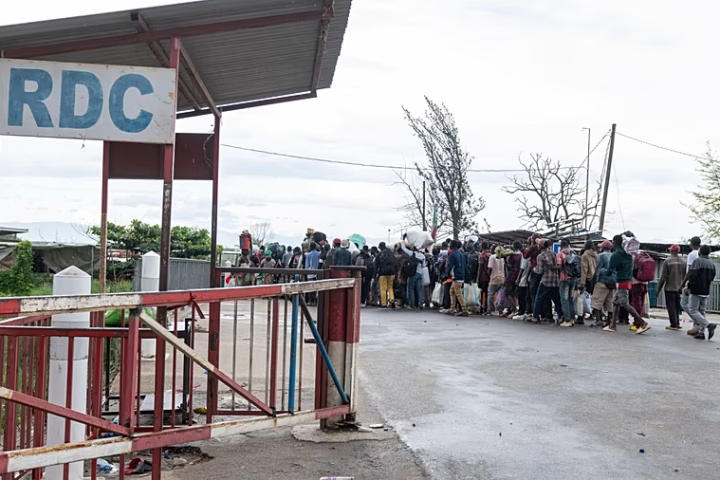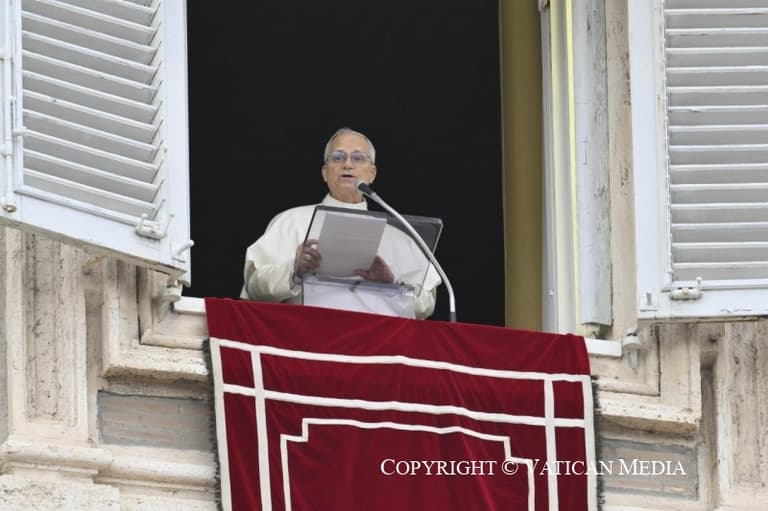
Pope Leo XIV issued a urgent plea for peace this Sunday, focusing intently on the escalating crisis in the Democratic Republic of the Congo. During his weekly Angelus address in St. Peter’s Square, the pontiff highlighted the severe plight of civilians fleeing renewed conflict. He specifically addressed the Eastern Congo violence, which has displaced countless families towards neighboring Burundi. The Pope’s message called for international attention and humanitarian aid for a region engulfed in a decades-long struggle over its mineral-rich territory.
The eastern provinces of the DRC remain a volatile conflict zone. Government forces continue to battle dozens of armed groups for control and resources. This persistent fighting creates a relentless cycle of displacement and suffering. Pope Leo XIV directly acknowledged this reality before the gathered faithful. He described a population “forced to flee their country” while “facing a serious humanitarian crisis.” His appeal underscores the Vatican’s ongoing diplomatic efforts to spotlight often-overlooked African conflicts.
A Pontiff’s Focus on Humanitarian Suffering
In his public address, Pope Leo XIV framed the crisis in stark, human terms. He emphasized the “great difficulties” faced by ordinary Congolese citizens. This focus aligns with his papacy’s early emphasis on global humanitarian issues. The Pope’s statement also serves as a direct call to the international community. It urges greater political engagement and increased material support for relief organizations operating in the region. Additionally, the appeal may signal more active Vatican diplomacy behind the scenes.
The conflict in Eastern Congo is one of the world’s most complex and prolonged humanitarian emergencies. Millions have died from violence, disease, and malnutrition since the late 1990s. The Pope’s decision to highlight this crisis during a major weekly address grants it significant visibility. Consequently, it places moral pressure on global powers to reevaluate their policies toward the region. The plea for peace is not merely symbolic but part of a broader strategy to mobilize conscience and action.
Broader Regional Context: Flooding in Southern Africa
Pope Leo XIV also extended his prayers to victims of a separate disaster in southern Africa. He mentioned the devastating floods that have recently struck South Africa, Mozambique, and Zimbabwe. These torrential rains have killed over one hundred people and caused widespread destruction. South Africa has officially declared the situation a national disaster. By linking these two crises, the Pope highlighted the multiple, simultaneous challenges facing the African continent.
This dual focus demonstrates the Vatican’s wide-ranging pastoral concern. It connects the man-made tragedy of Eastern Congo violence with a natural catastrophe elsewhere. Both situations create immense human suffering and demand a coordinated response. The Pope’s message therefore serves a dual purpose: it advocates for peace in one region while expressing solidarity with victims of disaster in another. This approach reinforces the Church’s role as a global voice for the vulnerable.
The Strategic Importance of Eastern Congo
The root of the conflict lies in the area’s immense mineral wealth. Eastern Congo holds vast deposits of gold, coltan, tin, and other resources critical to modern electronics. This wealth fuels the armed groups and perpetuates the instability. Various militias fight for control of mining areas, often targeting civilians in the process. The resulting Eastern Congo violence creates a permanent state of insecurity that hinders all development and humanitarian access.
International efforts to broker peace have repeatedly failed. A United Nations peacekeeping mission, one of the largest globally, has struggled to protect civilians effectively. Pope Leo XIV’s intervention adds a powerful moral dimension to calls for a renewed peace process. His authority may help reframe the crisis beyond geopolitics and economics, centering it on fundamental human dignity and the right to live in peace.
The Path Forward and Vatican Diplomacy
The Pope’s public appeal is likely the most visible part of a broader diplomatic initiative. The Holy See maintains diplomatic relations with most nations and can act as a neutral facilitator for dialogue. Vatican officials may engage in quiet diplomacy with regional governments and international bodies. The goal would be to encourage a ceasefire and support inclusive political negotiations. Additionally, the Church’s extensive charitable network, including Caritas Internationalis, is already providing direct aid on the ground.
Ultimately, lasting peace requires a political solution that addresses the conflict’s root causes. These include governance failures, economic injustice, and regional interference. Pope Leo XIV’s message reminds the world that the status quo is morally unacceptable. It calls for courage and creativity from both Congolese leaders and the international community. As the humanitarian situation deteriorates, such high-level advocacy becomes increasingly vital for those trapped in the cycle of Eastern Congo violence.