In recent years, the Nigerian Air Force (NAF) has embarked on an ambitious modernization drive to enhance its operational effectiveness, bolster national security, and address evolving internal and regional threats. This initiative involves significant aircraft acquisitions, fleet upgrades, strategic partnerships with international defence manufacturers, and internal reforms to improve readiness and sustainment. The modernization effort reflects Nigeria’s broader security priorities as it confronts insurgency, banditry, and other forms of insecurity while contributing to regional stability.
Strategic Fleet Expansion

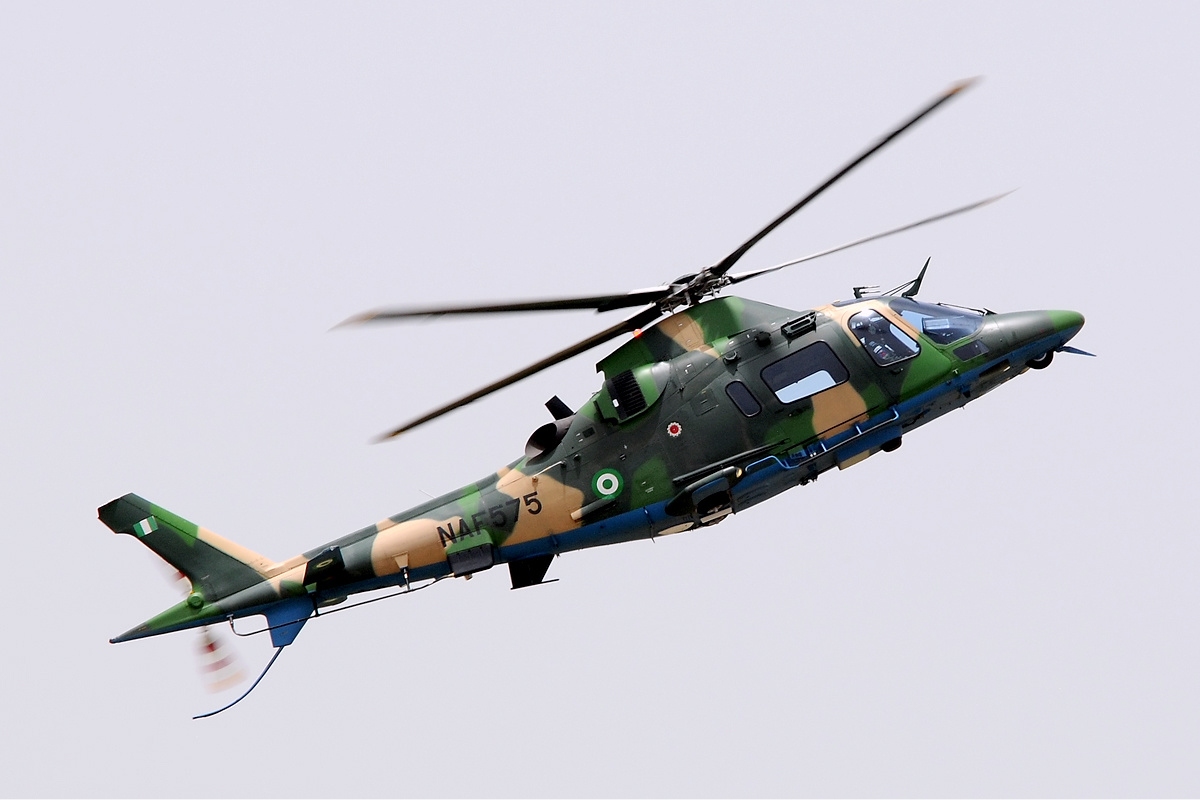
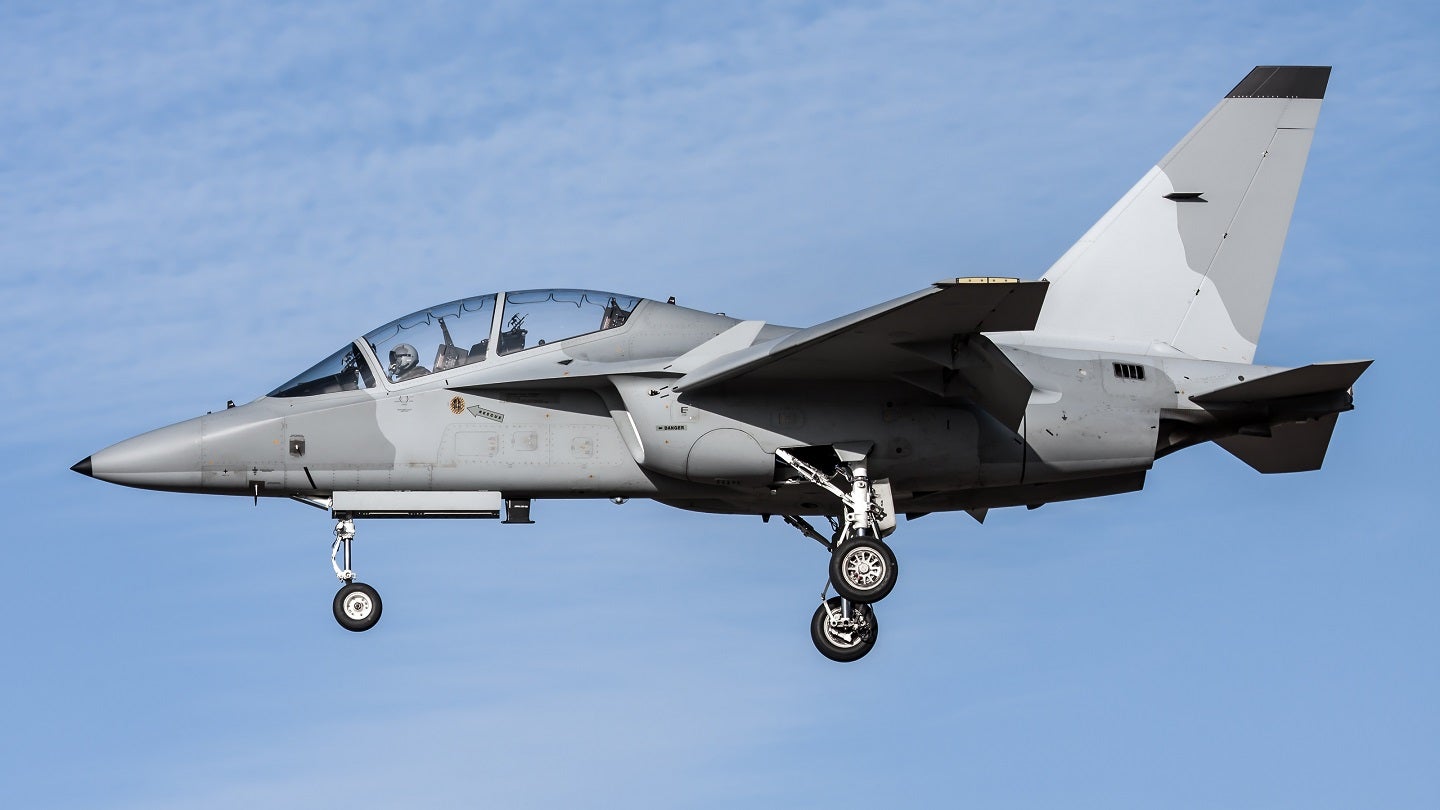
One of the most visible elements of the NAF’s modernization strategy is the acquisition of new combat aircraft and support helicopters from international partners. In a landmark defence procurement program, Nigeria secured a deal with Italian aerospace firm Leonardo for 24 M‑346FA fighter ground‑attack aircraft and 10 AW‑109 Trekker helicopters. The deal, valued at around €1.2 billion, represents one of the largest modern aircraft acquisitions in West African military history.
The M‑346FA jets — advanced twin‑engine trainer and light combat aircraft — are designed for both air‑to‑air and air‑to‑ground missions. Their induction into the NAF fleet is expected to significantly enhance precision strike capability, improve pilot training outcomes, and strengthen deterrence posture in the region.
Alongside these jets, the AW‑109 helicopters will enhance the Air Force’s utility for a range of missions, including tactical airlift, medical evacuation, and search‑and‑rescue operations. These rotary wing assets increase the Air Force’s flexibility and responsiveness, especially in support of ground operations and humanitarian assistance.
Phased Deliveries and Operational Integration
Deliveries of the Leonardo aircraft are progressing in phases, with early batches nearing completion and preparations underway for operational rollout. Nigerian defence officials have emphasised the importance of synchronising aircraft delivery timelines with infrastructure and personnel readiness to ensure smooth induction and rapid operational deployment.
In addition to foreign acquisitions, the NAF also operates and upgrades other platforms. Older Dassault‑Dornier Alpha Jets have been reconditioned to continue serving in light attack and training roles, while Embraer A‑29 Super Tucanos support counter‑insurgency operations and the air force incorporates unmanned aerial systems into surveillance and reconnaissance missions.
Strengthening Defence Partnerships
Modernization efforts include deepening defence ties beyond Italy. Nigerian Air Force leadership has engaged with Chinese aerospace firms to explore further cooperation in aircraft acquisitions, maintenance, and technology transfer. These partnerships are intended to diversify sources of equipment and expertise, reducing reliance on any single supplier and enhancing long‑term sustainment capabilities.
The NAF’s engagement with external partners is not limited to procurement. Discussions often include training packages, ground support equipment, and the possibility of establishing local support and maintenance hubs to ensure sustainability and reduce dependency on overseas facilities.
Enhancing Maintenance and Fleet Serviceability
Modern fleets require modern maintenance systems. To improve aircraft serviceability and longevity, the NAF has established new organisational structures and embraces predictive maintenance practices. One such initiative is the Aircraft Life Cycle Directorate, created to manage fleet serviceability more effectively and adopt predictive maintenance — enabling the Air Force to anticipate issues, reduce downtime, and extend the operational lifespan of its aircraft.
These reforms align with a broader focus on professionalisation and infrastructure investment, ensuring that modern assets are not only acquired but also sustained effectively over time.
Training and Human Capital Development
An upgraded fleet necessitates highly trained personnel. The NAF has emphasised comprehensive training for pilots, engineers, and logistics personnel, coordinated with suppliers as part of aircraft procurement packages. High‑quality training enhances safety, mission capability, and readiness for complex air operations.
Leadership has underscored that investment in human capital is as important as investment in hardware — a principle that supports operational excellence in both peacetime and during missions.
Addressing National and Regional Security Challenges
Nigeria faces a complex security environment, including insurgency in the northeast, banditry, kidnappings, and communal conflicts in other regions. A modernized air fleet strengthens the NAF’s ability to conduct a variety of operations — from precision airstrikes and aerial reconnaissance to rapid deployment and support for ground forces.
Improved air capability also enhances deterrence against external threats and reinforces Nigeria’s position as one of West Africa’s leading military powers. As African states increasingly invest in aerial defence, a capable air force contributes to regional stability and collective security.
Government Support and Policy Backing
High‑level government support has been instrumental in the modernization drive. Nigeria’s president and defence leadership have pledged continued backing for fleet renewal, training, and welfare for air force personnel. This political support underscores recognition of the Air Force’s role in national defence and internal security.
Challenges and Future Outlook
Despite progress, modernization carries challenges. Integrating advanced aircraft requires sustained funding, robust maintenance infrastructure, and effective logistics chains. Training and retaining skilled personnel is equally demanding, as modern systems are complex and require continual education and certification.
Looking ahead, the NAF is likely to continue expanding its capabilities through additional aircraft procurement, enhanced surveillance systems, and deeper technological integration. This future orientation aligns with both national defence imperatives and broader strategic goals under Nigeria’s military development frameworks.
The Nigerian Air Force’s fleet modernization represents a critical investment in national security and defence readiness. Through strategic acquisitions like the M‑346FA jets and AW‑109 helicopters, enhanced maintenance practices, and international partnerships, Nigeria is strengthening its air power for contemporary security challenges. While obstacles remain, the ongoing efforts promise a more capable, resilient, and responsive air force — one that secures Nigerian skies and contributes meaningfully to regional stability in 2026 and beyond.