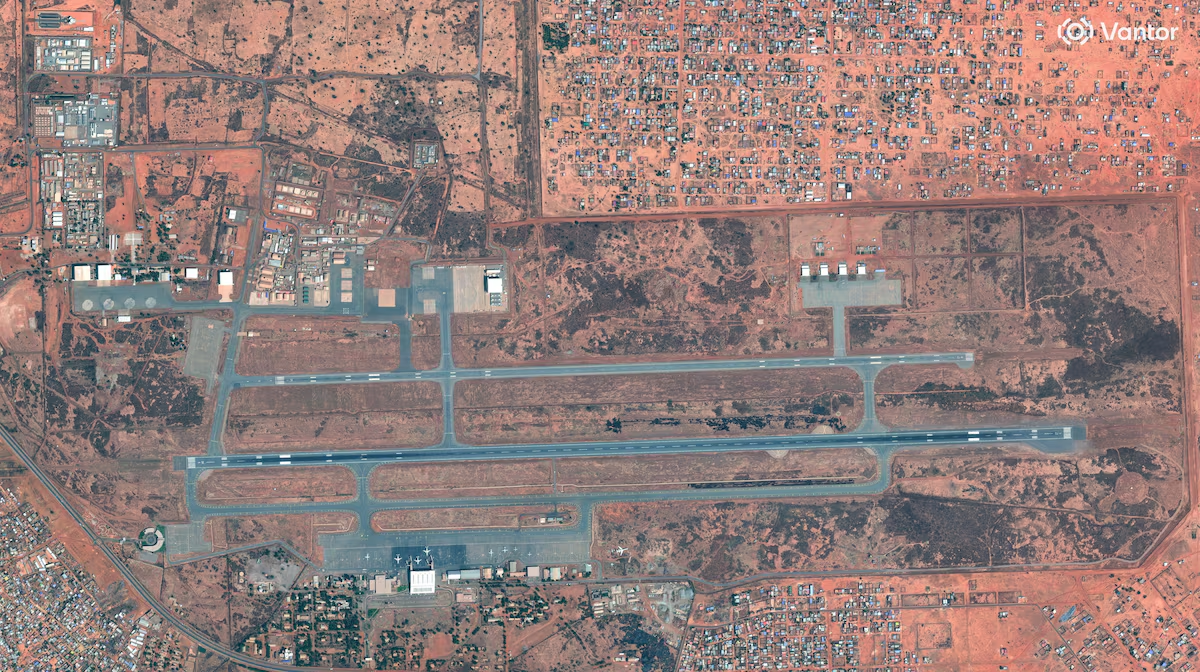
Niger’s military ruler has accused France, Benin, and Ivory Coast of sponsoring a terrorist attack on Niamey’s international airport. Abdourahamane Tiani made the allegation without offering evidence following the Niger airport attack late Wednesday. Gunfire and explosions rocked the capital before calm returned Thursday morning. Consequently, the Niger airport attack has sharply escalated regional tensions. Tiani specifically named French President Emmanuel Macron, Benin’s Patrice Talon, and Ivory Coast’s Alassane Ouattara. He vowed retaliation, signaling a further deterioration in relations. The Niger airport attack damaged commercial aircraft on the tarmac, according to airlines. Tiani also thanked Russian troops stationed at the base for defending their sector. Therefore, the Niger airport attack is framed as a proxy conflict between former colonial powers and new Russian allies. The junta leader’s accusations make the Niger airport attack a geopolitical flashpoint.
State television reported one assailant killed was a French national, but provided no evidence. Security sources described the incident as a terrorist Niger airport attack. The assault did not affect a stockpile of uranium yellowcake stored at the airport, sources said. The Niger airport attack highlights the volatile security situation in the Sahel nation. Since seizing power, Niger’s junta has expelled French forces and turned to Russia for military support. The Niger airport attack follows this realignment, with Tiani labeling neighboring nations as French proxies. Businesses and schools remained open in Niamey despite the Niger airport attack, with heavy security near the airport. The allegations from the Niger airport attack will likely deepen Niger’s isolation from West African allies and European partners.
Details of the Attack and Security Response
The Niger airport attack began shortly before midnight with heavy gunfire and explosions lasting over an hour. Security sources reinforced the airport following an internal alert about an imminent assault. The Niger airport attack caused material damage to commercial aircraft. ASKY Airlines reported two planes sustained minor damage, while Air Cote d’Ivoire said an Airbus A319 was hit, damaging its fuselage and wing. Fortunately, no passengers or crew were injured during the Niger airport attack as it occurred outside operational hours. A Reuters witness reported a cordoned-off zone near the airport heavily patrolled after the Niger airport attack. The swift security response contained the Niger airport attack, but the political fallout is just beginning.
Geopolitical Accusations and Regional Tensions
Tiani’s accusations transform the Niger airport attack into a geopolitical indictment. By blaming France, Benin, and Ivory Coast, he frames the Niger airport attack as foreign-sponsored aggression. This aligns with the junta’s narrative that former colonial powers and their regional allies seek to destabilize Niger. The Niger airport attack allegation comes amid severed ties with Western powers and growing Russian military involvement. Tiani’s threat to “roar” in retaliation promises further escalation. The offices of the accused presidents could not be immediately reached for comment. The Niger airport attack accusations will likely freeze any diplomatic thaw and could provoke economic or political countermeasures from the Economic Community of West African States (ECOWAS), where Benin and Ivory Coast are key members.
Uranium Stockpile and Strategic Implications
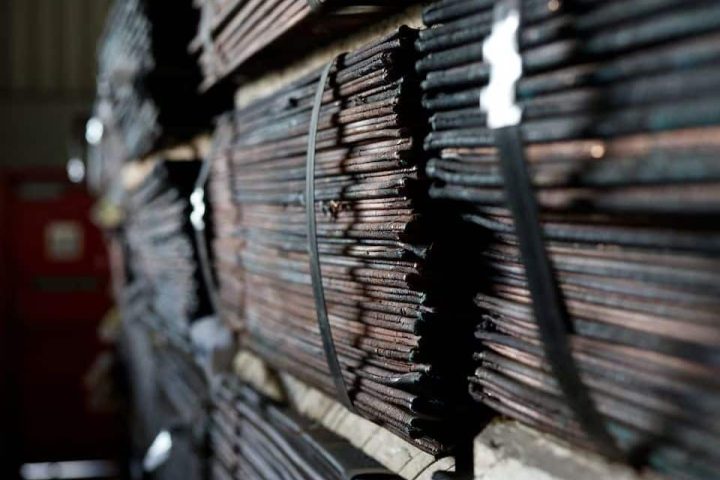
A critical subtext of the Niger airport attack is the uranium stored at the site. Sources confirmed about 1,000 metric tons of uranium yellowcake was moved to the airport last year after Niger seized control of the Somair mine from French company Orano. The Niger airport attack did not damage this stockpile, but its presence highlights the strategic stakes. Uranium exports are a vital revenue source, and control over them is a point of national sovereignty. The Niger airport attack occurring near such a valuable commodity underscores the facility’s strategic importance. It also raises questions about the security of nuclear materials in a volatile region. The Niger airport attack, therefore, has implications beyond immediate terrorism, touching on energy security and resource nationalism.
Russian Presence and Shifting Alliances
Tiani’s public thanks to Russian troops after the Niger airport attack is highly symbolic. It reinforces the narrative of Russia as a reliable security partner versus Western betrayal. Since the coup, Niger, like Mali and Burkina Faso, has deepened military ties with Moscow. The Niger airport attack allows the junta to showcase this partnership. Russian forces reportedly defended their sector during the assault, though details are scarce. This bolstering of the Russian role after the Niger airport attack will likely accelerate the security transition away from French and American influence. The Niger airport attack thus becomes a validation point for the junta’s foreign policy pivot and a tool for domestic propaganda.
Broader Sahel Security Context
The Niger airport attack occurs within a region besieged by jihadist violence. Niger, Mali, and Burkina Faso face relentless attacks from groups linked to al Qaeda and Islamic State. The Niger airport attack, however, is unusual for targeting the capital’s major international airport. It demonstrates an ability to strike high-profile, well-defended locations. Whether the Niger airport attack was purely terrorist or had state sponsorship as alleged remains unproven. Nevertheless, the Niger airport attack will force a reassessment of security protocols at critical infrastructure across the Sahel. It also shows that despite junta claims of improved security, the threat landscape remains complex and dangerous.
Economic and Aviation Impact
The material damage from the Niger airport attack will have economic repercussions. Air Cote d’Ivoire said its damaged Airbus could be grounded for an extended period, disrupting schedules. This Niger airport attack undermines confidence in Niamey as a secure aviation hub. Insurance costs for airlines operating there may rise. The Niger airport attack could also deter foreign investment and tourism, further straining an economy already under sanctions. The junta’s response to the Niger airport attack, both in security measures and rhetorical escalation, will influence whether airlines reduce service. For a landlocked country, a functional and secure international airport is economically vital, making the Niger airport attack a blow to commerce and connectivity.
Niger’s airport attack has opened a new chapter of uncertainty in the Sahel. The junta’s incendiary accusations against France, Benin, and Ivory Coast guarantee diplomatic turmoil. Whether the Niger airport attack was externally sponsored or a sophisticated terrorist operation, it exposes profound vulnerabilities. The thank you to Russian troops cements a new axis of influence. As the junta vows retaliation, the risk of a wider regional conflict increases. The world will watch whether the Niger airport attack is an isolated event or the trigger for further instability in a already fragile region.