Introduction
Agriculture has long been the backbone of West Africa’s economy, providing employment for millions of people and contributing significantly to GDP. Despite the challenges faced by the sector, including climate change, limited access to technology, and land tenure issues, agriculture remains a major driver of economic growth and food security in the region. West Africa is endowed with vast agricultural resources, and the sector holds immense potential for development, especially with evolving trends and emerging opportunities.
In this article, we’ll explore the key trends and opportunities shaping agriculture in West Africa, highlighting the factors that are driving growth and how the sector can overcome its challenges to unlock further potential.
The Importance of Agriculture in West Africa
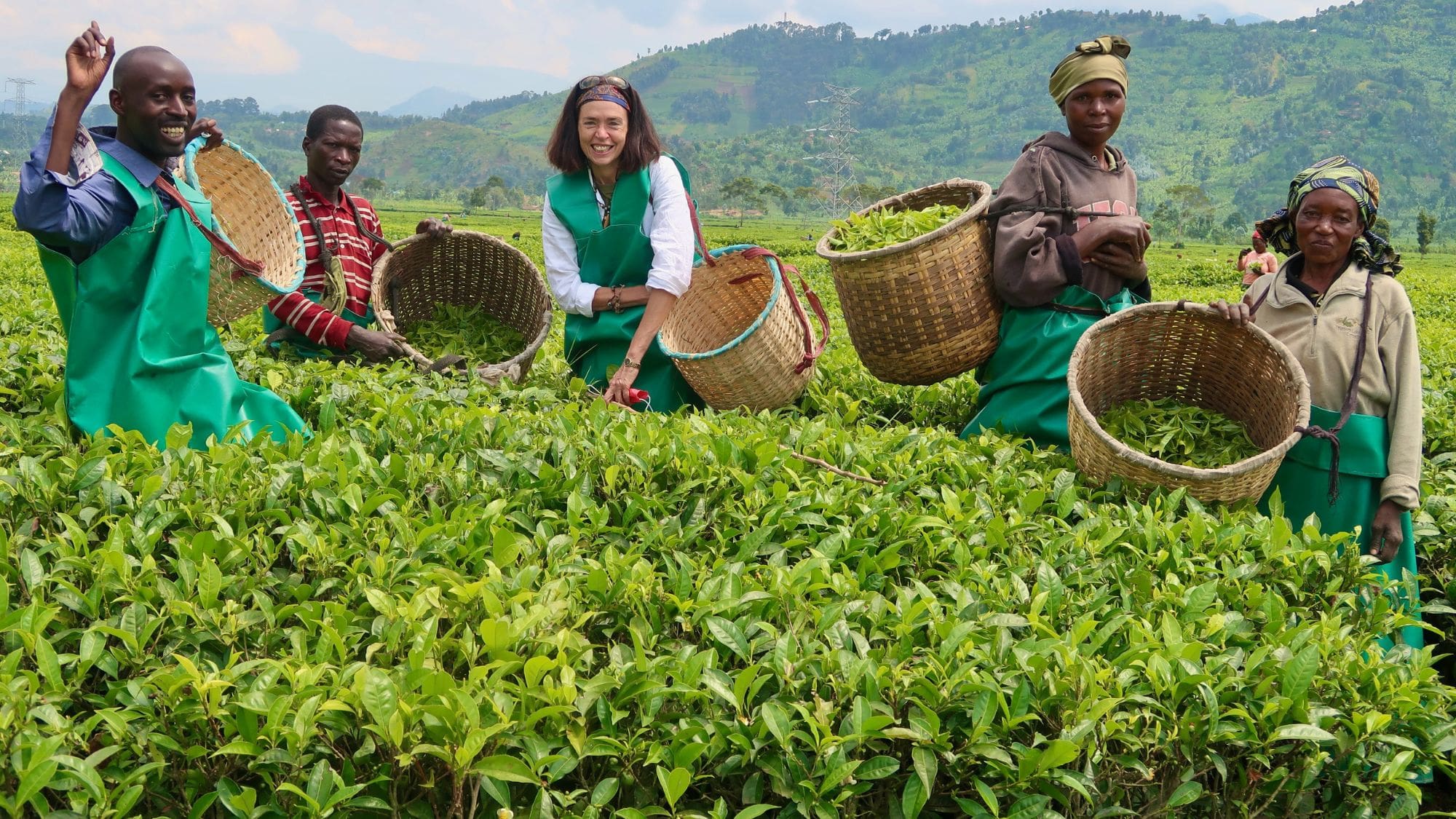
Agriculture in West Africa is crucial for food security, rural development, and poverty reduction. Over 60% of the region’s population is involved in agriculture, with smallholder farmers dominating the sector. Key agricultural products include:
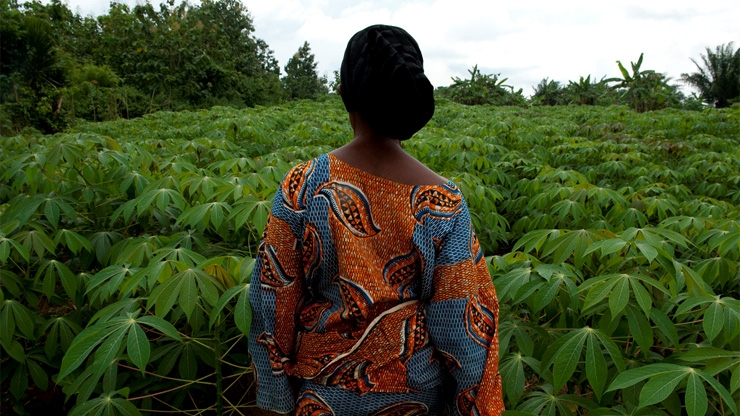
- Cereals: Maize, rice, and millet are staple foods across West Africa.
- Cocoa: West Africa is the world’s largest producer of cocoa, with Côte d’Ivoire and Ghana as leading exporters.
- Cash Crops: Cotton, oil palm, and cashews are essential to the region’s export economy.
- Livestock: The region is also known for cattle, goats, and poultry production.
Agriculture’s potential for driving economic growth is immense, particularly as demand for food increases due to population growth and changing diets in the region.
Current Trends in West African Agriculture
1. Sustainable and Climate-Smart Agriculture
As climate change continues to impact agricultural productivity, there is an increasing shift toward climate-smart agricultural practices in West Africa. Farmers are adopting sustainable farming techniques to increase resilience to droughts, floods, and erratic rainfall.
Key climate-smart practices include:
- Agroforestry: Integrating trees with crops to enhance soil health, conserve water, and reduce deforestation.
- Conservation Tillage: Reducing soil erosion and improving soil fertility by minimizing plowing and tillage.
- Water Management: Techniques like drip irrigation, rainwater harvesting, and soil moisture retention help farmers adapt to changing climate patterns.
Governments and international organizations are also promoting policies to support sustainable agriculture, offering training and financial incentives to encourage farmers to adopt these practices.
2. Technology and Innovation
Technology is rapidly transforming agriculture in West Africa. From mobile applications that provide weather forecasts and market prices to the use of drones for precision farming, technology is enhancing productivity and efficiency across the sector.
- Mobile Agriculture Platforms: Apps like m-Agri and Farm Drive are helping farmers access information on climate patterns, pest control, and best farming practices. These platforms also allow farmers to connect with buyers and sellers, improving market access.
- Drones and GPS: Precision farming, using drones for aerial monitoring and GPS technology for planting and irrigation, is allowing farmers to optimize resources and reduce waste.
- Smart Irrigation: Automated irrigation systems powered by sensors and remote control technology are helping farmers conserve water, which is critical given the region’s vulnerability to drought.
The integration of these technologies holds great promise for increasing agricultural productivity and ensuring food security in West Africa.
3. Agri-Business and Value Chain Development
Beyond primary production, the development of value chains in agriculture is one of the major trends driving growth in West Africa. Adding value to raw agricultural products through processing, packaging, and distribution opens up new revenue streams and creates jobs in the region.
Key opportunities in agri-business include:
- Food Processing: West Africa has great potential for food processing industries. For example, local production of processed foods such as cassava flour, palm oil, and dairy products can reduce reliance on imports.
- Livestock and Poultry Farming: The demand for meat and dairy products is increasing, and opportunities exist for small and medium-sized enterprises (SMEs) to expand in the livestock sector.
- Agricultural Exports: Increasing the export value of products like cocoa, cashews, and coffee by improving quality and certifications can open up new international markets.
Value chain development not only enhances the profitability of agriculture but also strengthens the resilience of local economies by fostering entrepreneurship and innovation.
4. Youth Involvement in Agriculture
Youth engagement in agriculture is a key trend in West Africa, as the region faces a rapidly growing young population. To meet this demographic challenge and prevent youth unemployment, agricultural opportunities are being tailored to attract young people into farming.
Youth are increasingly embracing agri-tech, sustainable farming, and agribusiness ventures as viable career paths. Programs and initiatives, like the Youth in Agriculture programs in Ghana and Nigeria, are designed to provide young people with the skills, training, and capital needed to succeed in agriculture.
Additionally, there is growing interest in urban farming and agro-processing, which appeals to young entrepreneurs looking to modernize the agricultural sector and create jobs.
Key Opportunities in West African Agriculture
1. Investment in Irrigation Infrastructure
Despite the region’s dependence on rainfall, many areas in West Africa experience long dry seasons. The potential for expanding irrigation infrastructure in the region is vast. Investment in irrigation will not only help farmers produce crops year-round but also increase food security by reducing the dependence on unpredictable rainfall.
2. Renewable Energy for Farming
The growing demand for renewable energy, particularly solar power, presents an opportunity to power farms, irrigation systems, and agro-processing plants in off-grid areas. Solar-powered irrigation and storage facilities can enhance productivity while reducing energy costs.
3. International Trade Agreements
Trade agreements, like the African Continental Free Trade Area (AfCFTA), open up new markets for West African agricultural products. Expanding intra-regional trade can help farmers access broader markets for their goods and increase profitability.
4. Financing and Access to Credit
Access to finance remains a major barrier for farmers in West Africa. However, initiatives that provide microloans, subsidies, and access to agricultural insurance are helping to break down these barriers. With greater access to funding, smallholder farmers can invest in modern equipment, improved seeds, and better farming practices.
Challenges Facing Agriculture in West Africa
Despite the growth and opportunities, the agriculture sector faces significant challenges:
- Climate Change: Erratic weather patterns, such as prolonged droughts and heavy rainfall, threaten food production.
- Inadequate Infrastructure: Poor roads, storage facilities, and limited market access hinder the full potential of agriculture in the region.
- Land Ownership Issues: Access to land remains a challenge, particularly for women and young farmers.
Conclusion
Agriculture in West Africa is on a growth trajectory, driven by technological innovations, sustainable practices, and a rising youth population eager to embrace farming as a viable career. However, for the sector to reach its full potential, it must overcome challenges related to infrastructure, access to finance, and climate change.
With continued investment in technology, value chains, and infrastructure, West African agriculture can drive economic growth, enhance food security, and provide opportunities for future generations.