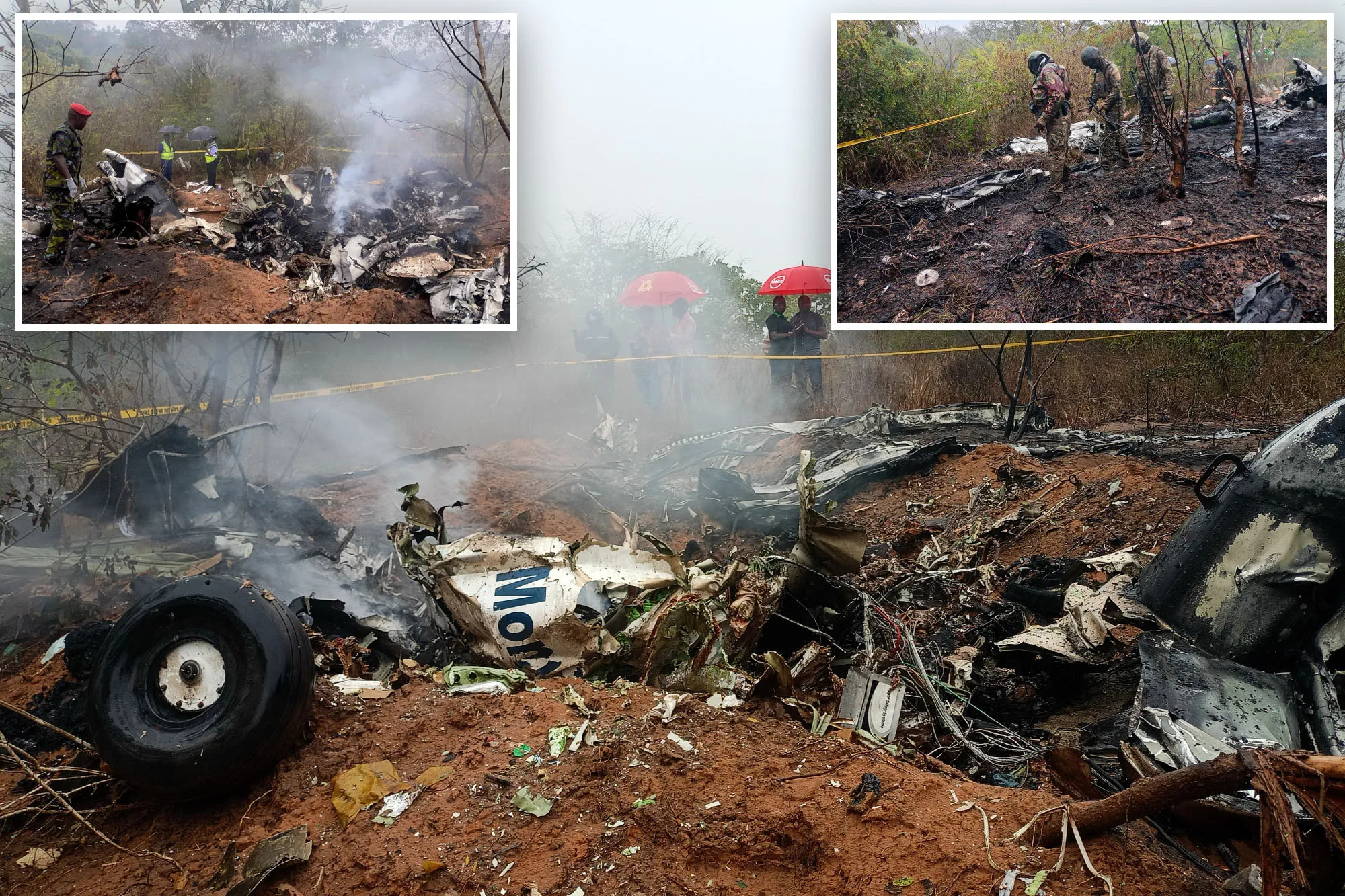
In a tragic incident on 28 October 2025, a light aircraft crashed in Kenya’s Kwale County, killing 11 people, including eight Hungarian tourists, two German tourists, and a Kenyan pilot. The flight was en route from Diani Beach to the famous Maasai Mara National Reserve when the accident occurred.
The Flight and the Crash
The aircraft, a Cessna 208B Grand Caravan registered 5Y‑CCA, was operated by Mombasa Air Safari. It departed from Ukunda Airport in Diani Beach and was bound for Kichwa Tembo near the Maasai Mara.
Kenyan authorities reported that the crash site was near a forested, hilly area in Kwale County, approximately 25–40 km from the departure airstrip.
Initial reports placed the crash around 5:30 a.m. local time, but the Ministry of Transport later revised the time to 8:35 a.m.
The pilot failed to communicate with air traffic control after takeoff. Authorities attempted to contact the plane for about 30 minutes before losing all contact.
Witnesses reported hearing a loud explosion, and emergency teams found charred wreckage and unidentifiable human remains. The aircraft burst into flames on impact, leaving little intact.
Victims and National Reactions
Of the 11 people on board, eight were Hungarian nationals, including two children, and two were German nationals, alongside the Kenyan pilot. Hungary’s Foreign Minister confirmed that the Hungarian victims included two families and an acquaintance.
Hungary’s Prime Minister expressed condolences and confirmed that authorities were coordinating with Kenya. German officials also responded, dispatching consular teams to assist the families.
The airline and Kenyan authorities pledged full support for the victims’ families. They promised to facilitate repatriation and provide any necessary assistance.
Rescue, Investigation, and Possible Causes
The Kenya Civil Aviation Authority (KCAA) sent investigators to the crash site immediately. Authorities indicated that heavy rain and misty conditions might have contributed to the accident.
The crash highlighted ongoing aviation safety concerns in Kenya’s domestic flight sector. Notably, Mombasa Air Safari previously experienced a crash in 2012 in the Maasai Mara region.
The KCAA warned that delays in locating the crash site and recovering wreckage could complicate the investigation. Authorities plan to examine the flight path, weather conditions, pilot communications, and aircraft maintenance records to determine the cause.
Impact on Tourism and Aviation Safety
The flight carried tourists to the Maasai Mara, one of Kenya’s most renowned wildlife destinations. The tragedy comes at a time when Kenya actively promotes tourism, particularly from Europe, including Hungary and Germany.
The incident renewed scrutiny of safari-flight safety protocols, pilot training standards, and the quality of remote airstrip infrastructure. The deaths of foreign tourists highlight the need for international confidence in Kenyan aviation safety, with governments potentially revising travel advisories.
Tour operators may face increased pressure to implement higher safety standards for domestic charter flights. Airlines are likely to review operational procedures, training, and maintenance practices to prevent future accidents.
Key Facts & Timeline
- Date: 28 October 2025
- Aircraft: Cessna 208B Grand Caravan, registration 5Y‑CCA
- Operator: Mombasa Air Safari
- Route: Diani (Ukunda) → Maasai Mara (Kichwa Tembo)
- Fatalities: 11 (8 Hungarians, 2 Germans, 1 Kenyan pilot)
- Crash location: Forested, hilly terrain in Kwale County, coastal Kenya
- Possible contributing factors: Heavy rain, misty weather
What’s Next?
The KCAA will issue a preliminary report within months, but final findings may take longer. The investigation will examine:
- Pilot communications and flight plan
- Weather at departure and along the flight path
- Aircraft maintenance history and operator records
- Forensic analysis of the crash site and wreckage
The airline promised full cooperation, and consular teams will assist families. Kenya’s tourism authorities are expected to review domestic charter flight regulations to restore confidence among international travelers.
Broader Lessons and Implications
Safety oversight: African domestic aviation faces challenges, including remote airstrips, ageing aircraft, and variable weather. The crash may prompt improvements in safety monitoring, emergency response, and aviation regulations.
Tourism vulnerability: Accidents involving foreign visitors carry reputational risks. Transparent investigations and timely support to victims’ families are critical for maintaining trust.
Weather and terrain risks: Flights to wildlife reserves often navigate steep terrain and changing weather. Enhanced radar, satellite, and ground-based weather systems could mitigate risks.
Operator history: Mombasa Air Safari’s previous accident in 2012 raises concerns about consistency in safety improvements. Continuous evaluation and compliance audits are crucial for reducing risks.
Final Thoughts
The Kenya plane crash reminds us how vulnerable tourist flights can be, especially when operating in remote locations with unpredictable weather.
The loss of eight Hungarians, two Germans, and one Kenyan pilot resonates across nations. For Kenya’s tourism sector and aviation regulators, swift, transparent investigation and decisive safety measures are essential.
Families of the victims require clear communication and compensation, while the industry must implement lessons to prevent future tragedies.
As travelers continue seeking adventurous destinations, the challenge remains: how to balance thrill with uncompromising safety. This incident may mark an inflection point, prompting higher standards of risk management, regulation, and awareness for operators, governments, and tourists alike.