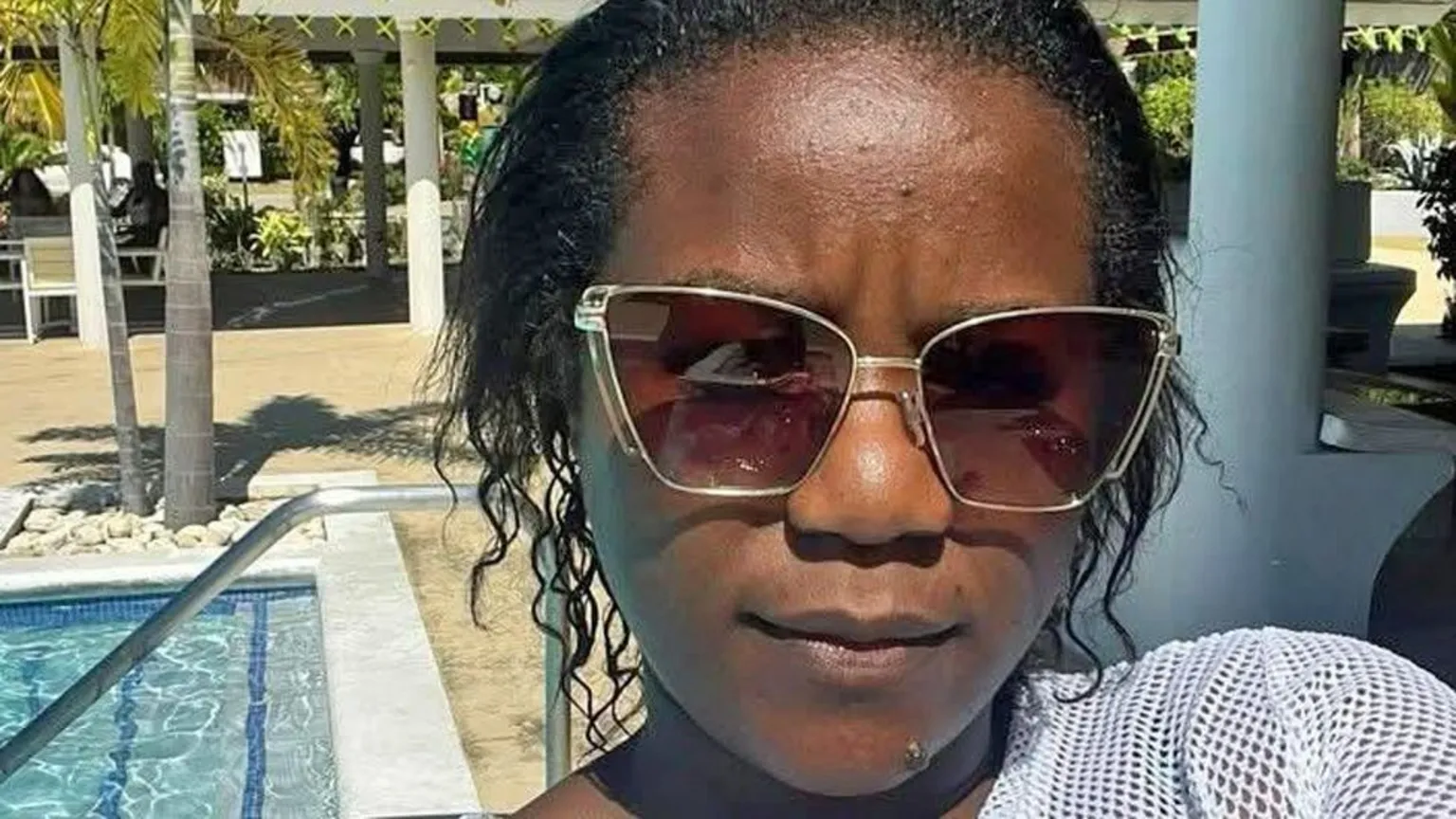
A Zambian-American social media influencer has been sentenced to 18 months in prison after a court found him guilty of publishing repeated hate speech that targeted specific communities and fueled online hostility. The case, which has sparked widespread debate across Zambia, the United States, and the global digital rights community, is being viewed as a defining moment in how nations respond to toxic online behavior and rising digital extremism.
The influencer, who built a large following across platforms such as TikTok, Instagram, and YouTube, had been posting inflammatory content for several months. Authorities began monitoring his activity after advocacy groups raised alarms that his commentary was not only offensive but also inciting real-world harm. According to prosecutors, he used his online influence to amplify derogatory messages, encourage harassment, and mobilize his followers into targeting individuals and ethnic groups.
A Rapid Rise Followed by a Controversial Fall
The influencer first gained popularity by creating comedic commentary, lifestyle videos, and motivational content. His dual heritage made him a relatable figure to many young people in both Zambia and the diaspora. However, as his following grew, his tone shifted. What began as bold social commentary eventually crossed into dangerous territory.
Prosecutors explained that his videos escalated from “provocative” to “deliberately hateful,” often using demeaning language that promoted discrimination. In several cases, he encouraged followers to “confront” or “expose” individuals he disagreed with, leading to cyberbullying incidents and threats that police were forced to investigate.
How the Authorities Responded
Law enforcement agencies collaborated across jurisdictions due to the influencer’s cross-border impact. Although he lived in the United States, many of his hateful videos directly targeted Zambian citizens and communities. Zambia’s Cybersecurity and Cyber Crimes Act provided the legal basis for issuing charges, while U.S. authorities cooperated through international digital safety protocols.
Investigators presented a digital trail of dozens of videos, posts, and livestreams where he used derogatory terms, promoted hostility, and falsely accused individuals of crimes. Forensic analysts also traced coordinated online harassment back to groups he directly encouraged.
During the trial, the prosecution argued that his content qualified as hate speech with intent, emphasizing that freedom of expression does not extend to speech that incites violence or discrimination. The court ultimately agreed, ruling that his actions “posed a significant risk to social harmony and public safety.”
Courtroom Reactions and Sentencing Details
During sentencing, the judge condemned the influencer’s misuse of his platform, stating that influencers carry social responsibility because their words shape public attitudes. The court highlighted that the influencer “knew his content was harmful, encouraged abuse, and continued posting to grow his fame.”
His legal team argued for leniency, citing his young age, freedom of expression protections, and lack of prior convictions. However, the court insisted that the sentence must send a message that online platforms cannot be used as tools for harassment and hate.
He was sentenced to 18 months in prison, along with mandatory digital ethics counseling. He also faces restrictions on social media use after release.
A Divided Public Reaction
The sentencing has triggered mixed reactions across social media and the broader public.
Many praised the judgment, arguing that it promotes accountability in an era where online hate often goes unpunished. Digital rights advocates noted that harmful content spreads rapidly and can lead to real-world violence, making strong legal measures necessary.
However, others argued that the ruling could set a dangerous precedent for freedom of speech, especially in countries where speech laws are broad and can be misused. Some supporters said his comments, though offensive, should not result in imprisonment.
This debate has grown even louder within diaspora communities. Many Zambians living abroad believe the case reflects broader tensions involving identity, migration, and cultural expectations. Meanwhile, U.S. commentators see it as part of a global conversation on regulating harmful digital behavior.
The Broader Implications for Online Conduct
The case highlights a growing trend where governments take a firmer stance on harmful online content. As social media becomes more influential, authorities worldwide are grappling with how to protect both freedom of expression and public safety. Influencers, who can reach millions instantly, now face higher standards due to their impact.
Digital experts see this case as a reminder that online speech has real consequences. Platforms may not always act swiftly enough to remove harmful content, so legal systems increasingly step in. This approach reflects how countries are adapting their laws to modern digital realities.
What Comes Next for the Influencer
Following the conviction, the influencer’s accounts on several platforms have been demonetized or restricted. Sponsorships and brand deals have dissolved, and legal analysts believe he may face civil suits from individuals who claim they were harmed by his actions.
Depending on jurisdictional cooperation, additional penalties may arise if evidence links his content to specific harassment cases. His family has expressed disappointment but hopes he will learn from the experience.
A Turning Point in Digital Accountability
The sentencing marks a significant moment in the evolution of online regulation. It signals to influencers and content creators that verbal attacks, hate campaigns, and harassment cannot hide behind internet anonymity or geographical distance. For governments, it represents a step toward curbing digital extremism and protecting vulnerable communities.
As online influence becomes more powerful, this case will likely become a reference point in future debates about harmful speech, digital governance, and the responsibilities of content creators. Whether viewed as justice or overreach, the ruling sends a clear message: the internet is not a lawless zone, and hate speech carries real consequences.