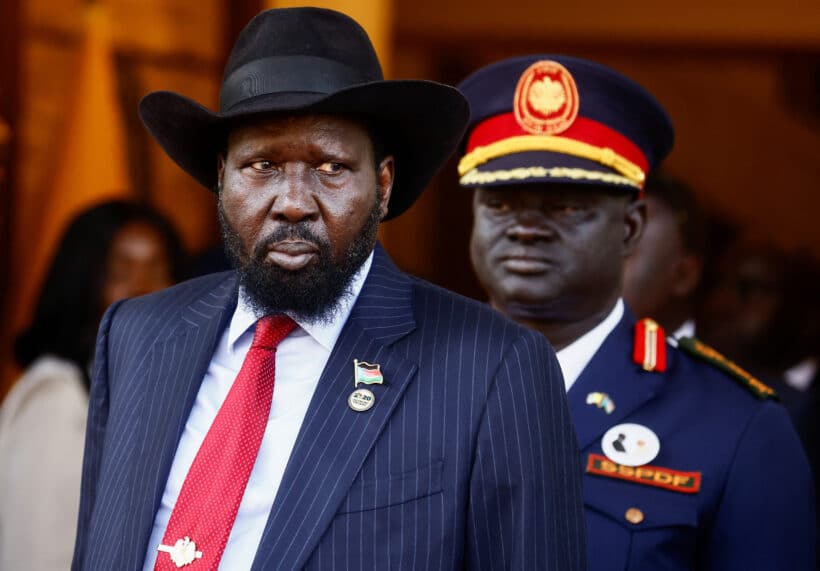
South Sudan currently faces yet another major shift in its economic leadership. On Monday evening, President Salva Kiir fired Finance Minister Bak Barnaba Chol during a surprise announcement. Consequently, the news broke during a state television broadcast and caught many in the region off guard. Notably, Chol held the role only since last November. In addition, his predecessor lasted only two months in the position. As a result, this quick turnover defines a frequent trend in Juba. The decree also removed other top officials, including the head of the National Revenue Authority. Therefore, observers view such moves as part of a much broader administrative shake-up.
To begin with, the President chose a familiar face to replace Chol. Specifically, he appointed Salvatore Garang as the new minister to lead the office. Furthermore, Garang is an economist who trained at the University of Khartoum. He is certainly not a stranger to this high-pressure job. In fact, he served as the finance chief from 2018 to 2020. During that time, his previous term encountered many fiscal strains and attempted economic reforms. However, his past carries some controversy. For instance, local media previously reported on several corruption allegations involving public funds. Nevertheless, Garang never publicly commented on these specific claims.
Meanwhile, the timing of this reshuffle holds great significance for the nation. Although the government gave no official reason for the change, it marks the ninth time the role has changed since 2020. Naturally, frequent leadership swaps trigger market instability. According to analysts, these moves primarily serve to maintain political power. President Salva Kiir often rotates his cabinet members to ensure strict control over the government. By doing so, he effectively limits the influence of potential rivals. At the same time, the country continues to struggle with armed conflict and speculation about who will eventually succeed the President.
Moreover, these constant changes impact the nation’s fiscal policy in the long run. Since growth usually requires consistent leadership, a revolving door of leaders hinders progress. Consequently, the nation finds it harder to secure international trust or steady investment. In short, investors demand stability in government appointments before they commit resources. Thus, when Salva Kiir fired Finance Minister Chol, he sent a clear message of ongoing uncertainty. The new minister, Garang, must now navigate these difficult waters. He must attempt to stabilize a very fragile economy. Above all, he answers to a president who demands total loyalty.
In conclusion, South Sudan’s economic future remains a topic of global interest. Because the country relies heavily on oil revenues, any disruption in the finance ministry affects the whole nation. While the broader administrative changes suggest a desire for a fresh start, the return of a former minister shows a limited pool of options. Ultimately, this reshuffle serves as a reminder of the complex and shifting politics in Juba. Moving forward, the world will watch to see how Garang handles the National Revenue Authority. For now, the cycle of rapid political shifts continues to define the landscape in South Sudan.