Climate change continues to pose serious challenges to agriculture across Africa. Rising temperatures, unpredictable rainfall patterns, prolonged droughts, and extreme weather events are affecting crop yields and livestock production in many regions. Because agriculture supports the livelihoods of most Africans, finding ways to adapt is essential for food security, income stability, and environmental sustainability. Climate‑smart agriculture (CSA) has emerged as a practical, forward‑looking approach that helps smallholder and commercial farmers boost productivity, build resilience, and reduce greenhouse gas emissions. This article explores climate‑smart agriculture in Africa, how it works, and why it is integral to adapting to climate change.
What Is Climate‑Smart Agriculture?
Climate‑smart agriculture refers to farming methods that simultaneously:
- Increase agricultural productivity and farmer incomes
- Strengthen resilience and adaptation to climate change
- Reduce or remove greenhouse gas emissions where possible
CSA is not a single technology but a set of principles and practices tailored to local conditions. In Africa, these practices help farmers adapt to shifting weather patterns while sustaining soil fertility, conserving water, and protecting ecosystems.
Why Climate‑Smart Agriculture Matters in Africa
Agriculture is central to Africa’s economy and food systems. However, many farming systems depend heavily on rain‑fed production. Climate change disrupts rainfall reliability, increasing the risk of crop failure, food insecurity, and loss of income. Some of the main climate‑related challenges African farmers face include:
- Erratic rainfall and longer dry spells
- Soil degradation and erosion
- New pest and disease outbreaks
- Heat stress on crops and livestock
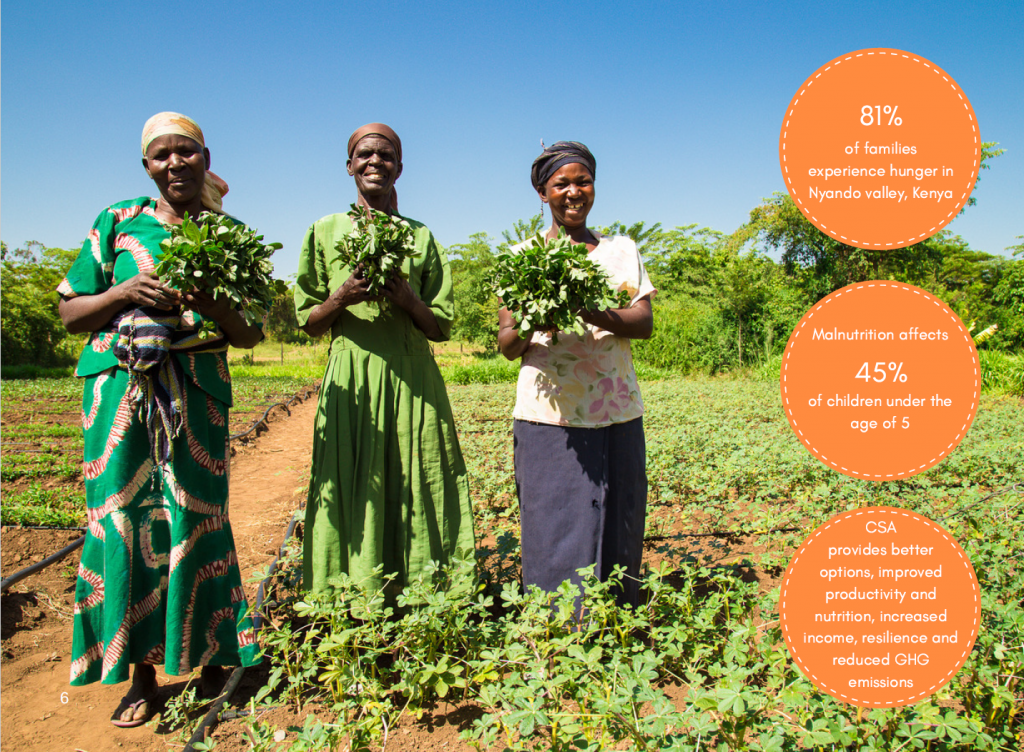
Climate‑smart agriculture helps reduce these risks by making farming systems more resilient and productive even under changing climatic conditions.
Core Climate‑Smart Practices in Africa
Below are key climate‑smart agriculture practices that farmers across Africa are adopting to adapt to climate change:
1. Drought‑Tolerant and Climate‑Resilient Crops
Selecting crop varieties that tolerate heat, drought, or unpredictable rainfall is fundamental to CSA:
- Sorghum, millet, and cowpeas are drought‑tolerant cereals widely used in arid regions.
- Improved seed varieties developed by agricultural research institutions offer higher yields even in stress conditions.
With these resilient varieties, farmers can maintain yields despite heat or water scarcity.
2. Soil and Water Conservation Techniques
Soil health is essential for crop productivity. Climate‑smart practices improve soil structure and water availability:
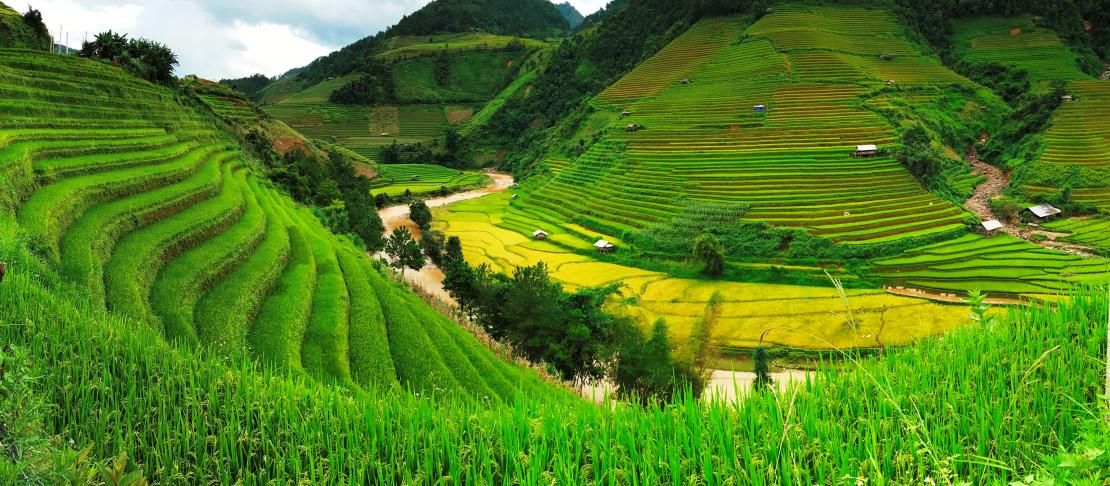
- Terracing and contour farming reduce runoff and erosion on slopes.
- Mulching uses crop residues to cover the soil, reducing moisture loss and improving fertility.
- Rainwater harvesting systems collect and store water for irrigation during dry seasons.
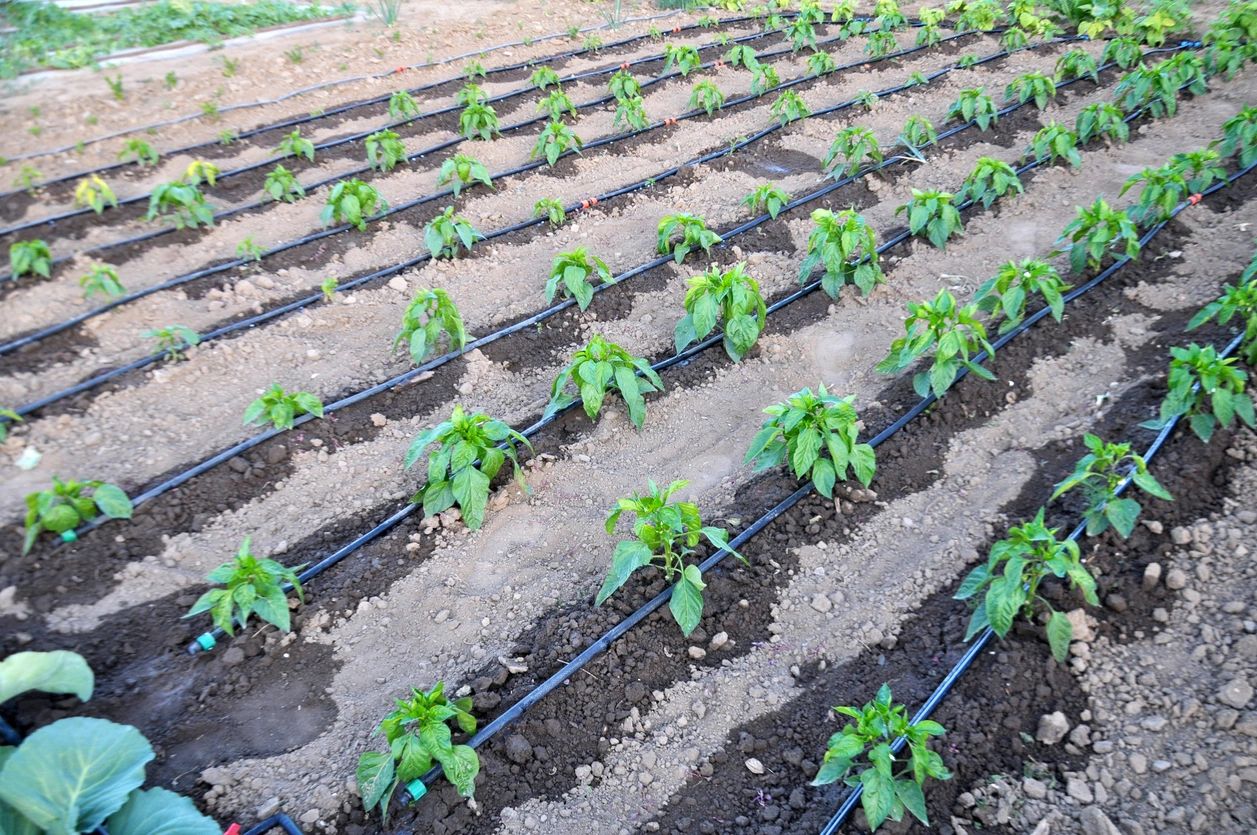
- Drip irrigation delivers water directly to plant roots, conserving moisture and improving efficiency.
By conserving soil and water, farmers can sustain production through dry spells and unpredictable rains.
3. Agroforestry and Tree Integration
Agroforestry systems combine trees with crops or livestock, offering multiple climate benefits:
- Trees help stabilize soil and reduce erosion.
- Fallen leaves and organic matter improve soil fertility.
- Tree canopies provide shade, reducing heat stress on crops and animals.
Trees also act as carbon sinks, storing carbon dioxide that contributes to climate change when released into the atmosphere.
4. Crop Diversification and Rotation
Growing a variety of crops and rotating them over seasons improves resilience and reduces risk:
- Planting legumes with cereals enriches soil nitrogen levels naturally.
- Crop rotation interrupts pest and disease cycles, lowering the need for chemical controls.
- Diverse cropping systems spread climate risk, as one crop may perform better if another fails due to weather shifts.
Diversification increases food security and spreads economic risk for farming families.
5. Integrated Pest Management (IPM)
Climate change can increase pest pressures. Integrated pest management combines biological, cultural, and mechanical methods to control pests with minimal harm to the environment:
- Encouraging natural predators and beneficial insects
- Using pest‑resistant crop varieties
- Practicing seasonal or intercropping arrangements that reduce pests
IPM protects crops and reduces reliance on chemical pesticides that can harm soil and water resources.
6. Use of Organic and Improved Soil Fertility Management
Maintaining soil fertility is vital under a changing climate:
- Composting returns organic matter to the soil, improving structure and water retention.
- Green manure crops are grown and incorporated into the soil to boost nutrients.
- Balanced fertilization based on soil testing ensures crops have what they need without excess chemical inputs.
Healthy soils support robust plant growth and greater resilience to drought and heat stress.
Benefits of Climate‑Smart Agriculture
When implemented effectively, climate‑smart agriculture delivers a range of benefits:
- Improved food security as crop yields become more stable despite climate stresses.
- Enhanced resilience to droughts, floods, and temperature extremes.
- Economic stability by diversifying income sources and reducing losses from climate shocks.
- Environmental protection through healthier soils, improved water management, and reduced emissions.
Challenges to Adoption
Despite its advantages, climate‑smart agriculture faces obstacles:
- Access to information and training is limited in some rural areas.
- Initial investment costs, such as for irrigation systems or improved seeds, may be high for smallholder farmers.
- Market access for climate‑resilient crops can be limited without supportive value chains.
- Policy and institutional support is needed to expand CSA practices across regions.
Addressing these challenges requires coordinated efforts from governments, NGOs, extension services, and farmer organizations to ensure knowledge, resources, and support reach those who need them most.
The Role of Policy and Support Systems
For climate‑smart agriculture to scale across Africa, supportive policies and programs are crucial. Governments and development partners can help by:
- Subsidizing climate‑resilient seeds and technologies
- Investing in rural infrastructure (irrigation, storage, roads)
- Strengthening extension services and farmer training
- Fostering access to climate‑informed insurance
- Supporting research on locally adapted CSA practices
Conclusion
Climate‑smart agriculture offers a practical pathway for African farmers to adapt to climate change while improving productivity and sustainability. By adopting climate‑resilient crops, conserving soil and water, integrating trees, practicing crop diversification, and managing pests and nutrients holistically, farmers can build stronger systems that withstand environmental change. Expanding these practices, supported by policy, training, and investment, will help secure Africa’s agricultural future while contributing to broader climate resilience and food security.