What Kenya Has Done
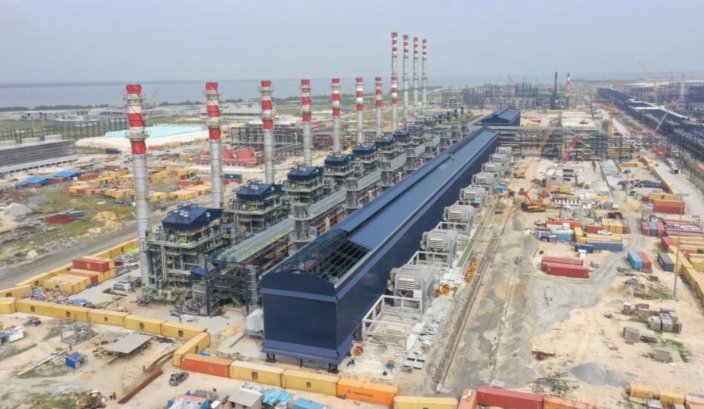
Kenya has converted a portion of its Chinese-financed debt for the Standard Gauge Railway (SGR) from U.S. dollars to Chinese yuan (renminbi). Specifically, Kenya originally borrowed about USD 5 billion from the Export-Import Bank of China in 2014-2015 to build the SGR linking Mombasa, Nairobi, and Naivasha. As of mid-2024, approximately USD 3.5 billion of that remained outstanding.
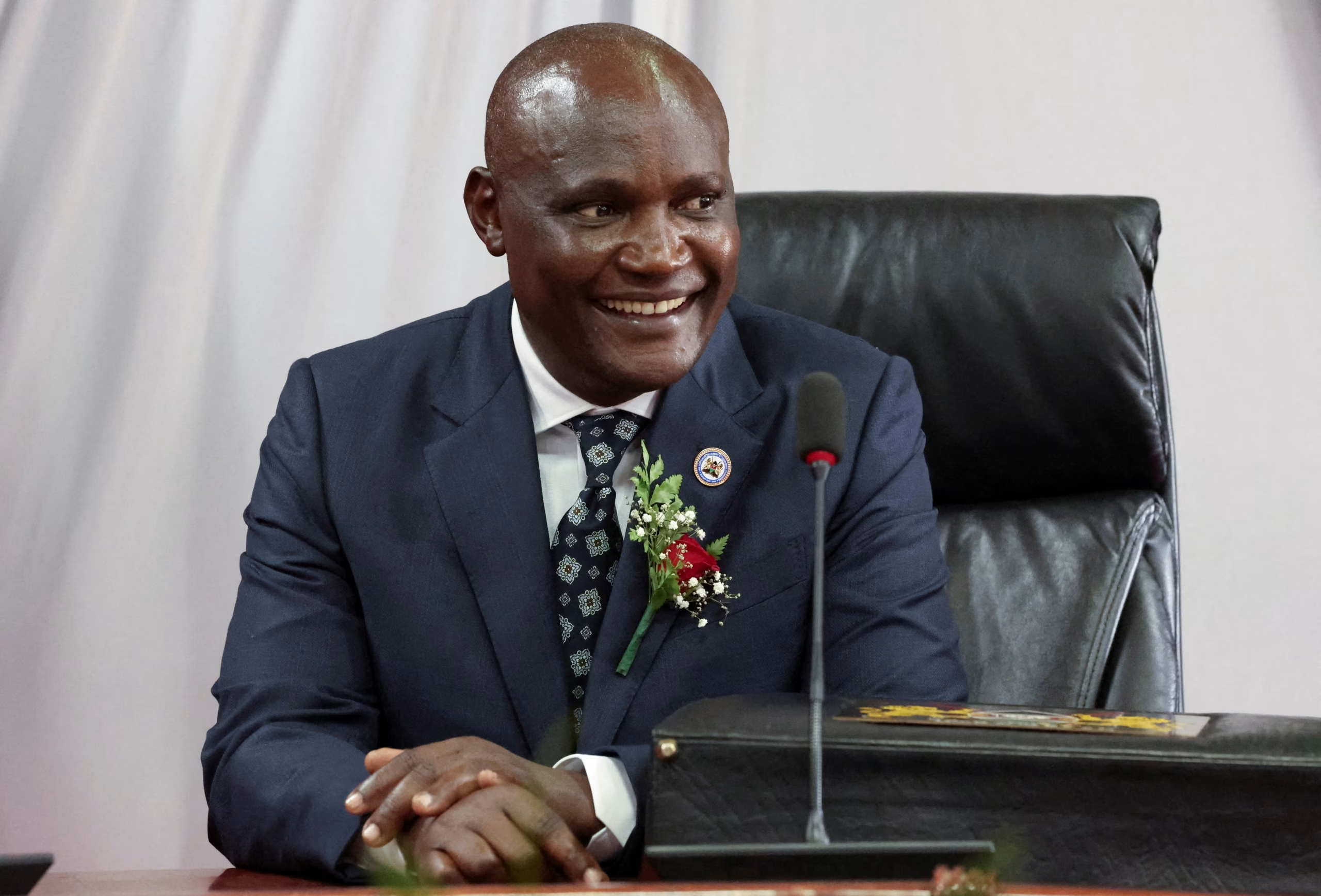
Finance Minister John Mbadi announced that converting the debt would save Kenya about USD 215 million per year in interest payments, by replacing higher dollar-based rates with lower yuan-based counterparts.
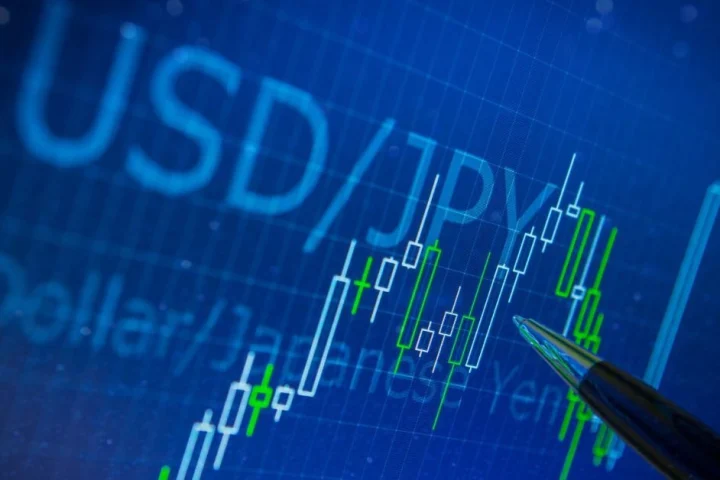
The move also shifts part of Kenya’s debt exposure away from the U.S. dollar. Before the conversion, the dollar made up a large share of Kenya’s external debt; after the currency swap, that share drops significantly—some reports estimate it below 50% for the first time in over a decade for certain debt categories.
Why Kenya Did It—Drivers and Motivations
Several interconnected reasons pushed Kenya toward this decision:
- High Interest Rates & SOFR Exposure: The U.S. dollar-denominated loans had floating rates pegged to benchmarks like SOFR. As U.S. rates rose, Kenya’s servicing costs rose steeply. Swapping into yuan allows access to comparatively lower rates and reduces exposure to those rate swings.
- Exchange Rate Risk: The Kenyan shilling tends to weaken against the dollar in times of global financial stress. When debt is dollar-denominated, any depreciation means Kenya must pay more in shillings. Repaying in yuan shifts some of that risk, especially given Kenya’s trade with China often uses yuan.
- Fiscal Breathing Room: The USD 215 million saved annually gives Kenya more fiscal flexibility. That money can instead go toward domestic priorities, debt service on other loans, or investment.
- Diversification of Debt Portfolio: Kenya is trying to reduce its reliance on any single foreign currency (especially the USD), which is volatile and increasingly expensive. The yuan swap helps broaden the mix of external liabilities.
Implications: What This Suggests for Africa
Kenya’s move may not only offer Kenya relief—it also signals possible shifts across Africa in how countries manage external debt. Here are several implications:
- New Precedent for Chinese Loans
Kenya becomes one of the first African sovereign borrowers to convert existing Chinese loans from USD to yuan. That sets a precedent for other countries that also have major Chinese‐financed infrastructure debts. Negotiations with China for swaps or reprofiling may become more common. - Rising Interest in Currency‐Denominated Debt Alternatives
Countries with high USD debt burdens and weak foreign reserve positions may consider similar swaps, or structuring new loans directly in yuan, to reduce currency risk. This could gradually reduce the dominance of the dollar in parts of Africa’s external debt stock. - Potential Strengthening of China-Africa Financial Ties
Converting loans into yuan aligns with China’s interest in promoting its currency internationally. It could deepen China’s financial influence and embed yuan use more in trade, investment, and debt repayment in Africa. - Pressure on Africa’s Dollar Reserves and Global Debt Risks
As more debts are denominated in “hard” foreign currencies (USD, EUR), shocks in U.S. interest rates or dollar strength can drastically raise servicing costs. Kenya’s strategy shows how countries try to shield themselves. Other economies may incur similar risk if they remain heavily dollar-exposed. - Fiscal and Budgetary Effects
Savings from interest payments can create more room in national budgets. For Kenya, reduced debt servicing might ease pressure on foreign reserves and reduce the need for austerity or heavy external borrowing.
Risks and Caveats
While the shift offers benefits, it also carries some risks and uncertainties:
- Currency Risk with Yuan: The yuan isn’t a free-floating currency in many respects, and China controls its exchange regime. If China’s economic conditions worsen, or if the yuan depreciates against other currencies Kenya uses, Kenya might still face exchange-rate risk.
- Terms of the Restructuring: Some details (interest rates, maturity, grace periods) were not fully disclosed. If the terms of the yuan denominated debt are not favorable, the savings may be less than projected.
- Dependency on China: Deeper financial ties can increase dependency. If too many loans are in yuan or negotiated through Chinese institutions, Kenya (or any country) may face constraints if China imposes conditionality or if diplomatic relationships change.
- Cost of Sourcing Yuan: Repayment in yuan may mean Kenya must hold more yuan reserves, or engage in currency swaps or trade offsets to obtain yuan. There could be costs associated with currency conversion and liquidity.
- Legal and Contractual Issues: Converting debt terms may require approval by lenders, renegotiation of contracts, and clear legal frameworks. Not all creditors may agree to alter terms.
Broader African Trends & What “Common Position” Looks Like
Kenya’s move is part of what experts see as a broader shift among African countries seeking to reduce their debt risk from USD exposure:
- Some African states are negotiating currency swaps or alternative financing with China and other non-Western lenders.
- Others are exploring issuing local currency or yuan-linked bonds, or financing infrastructure via concessional or blended finance.
- Countries facing high debt servicing pressures are more motivated to reprofile debt or change repayment currencies.
A “common African debt position” might involve:
- Collective negotiation of currency-swapped or local currency loans among groups of countries to share risk and set precedents.
- Regional or continental frameworks (e.g., African Union or Afreximbank) that support borrowing or settlement in non-USD currency baskets.
- Shared strategies for hedging currency risk, better data reporting, and debt transparency.
How Kenya’s Shift Plays Out in Numbers
- Kenya saves about USD 215 million annually by the yuan conversion.
- Previously, Kenya paid USD-rate floating interest tied to USD benchmarks on the SGR loans. The switch to yuan aims to lower the interest rate—some reports suggest halving the effective interest rate from ~6.37% to about ~3%.
- External debt composition shifts: Kenya’s external debt portfolio’s exposure to the dollar drops significantly—reports say its dollar share in external debt drops from ~52-62% to about ~44% after the swap.
What to Watch Next
- Beijing’s Response & Terms: Will China offer favourable terms for other borrowers seeking similar swaps? Will it extend cooperation to other African countries?
- Expansion of Yuan‐Denominated Financing: Are there plans for new loans or bonds in yuan, or for Kenya to tap Chinese capital markets more directly?
- IMF, Multilaterals, and Global Institutions: How will Kenya’s shift affect its relations with the IMF or other creditors? Will multilateral lenders adjust policies or support for countries using alternative currencies?
- Impact on Trade and Reserves: Whether Kenya can secure yuan through trade or swap mechanisms without high costs; how this affects foreign exchange reserves.
- Regional Copying: Will neighbouring or similarly situated countries (e.g., Uganda, Ethiopia, Zambia) follow suit?
Conclusion
Kenya’s conversion of its Chinese railway loan from U.S. dollars to yuan marks a significant strategic shift in how one of Africa’s largest economies handles external debt. Kenya stands to gain substantial savings, reduced exposure to dollar volatility, and more fiscal breathing room.
More broadly, this move may become a template for other African nations seeking relief from rising interest rates, weakening domestic currencies, and the risks tied to USD-denominated debt. While challenges remain—particularly the terms of conversion, currency risk, and lender approval—the Kenya case already strengthens the argument for a more diversified debt portfolio in Africa.
As global financial pressures intensify, Kenya’s decision suggests that more African governments may pursue similar paths: converting parts of their debt, reducing reliance on the dollar, and embracing alternative currencies. Over time, this could shift not only national debt strategies but also regional norms around currency, borrowing, and risk management.