Nigeria has unveiled a bold plan to raise $2.8 billion in 2025, combining new international loans with the country’s first-ever sovereign sukuk in global markets. The move highlights the government’s efforts to finance its budget deficit, refinance maturing Eurobonds, and diversify its borrowing instruments.
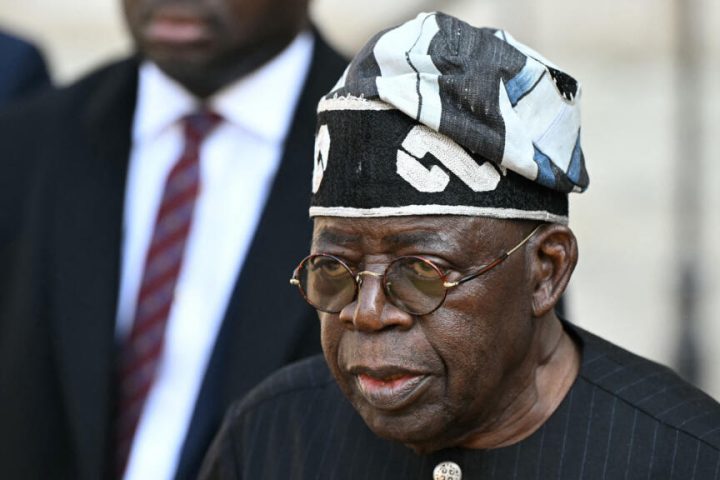
President Bola Tinubu has formally requested parliamentary approval for $2.3 billion in international loans and authorization for a $500 million sukuk issuance. The sukuk, which follows Islamic finance principles, is expected to provide a lower-cost and sharia-compliant alternative to conventional bonds.
According to finance ministry officials, the government is also exploring green bonds, diaspora bonds, and other innovative instruments to reduce dependence on high-cost Eurobonds and broaden its investor base.
If conditions are favorable, Nigeria may issue up to $2.3 billion in new debt instruments. The exact timing and structure will depend on investor appetite and global market conditions. Notably, Nigeria has not issued any international bonds in 2025, marking this as a strategic return after a three-year gap.
Sukuk Issuance Marks a New Era in Nigeria’s Debt Strategy
The proposed sukuk issuance is seen as a landmark step in Nigeria’s borrowing evolution. Officials argue that Islamic finance can offer lower yields and broader investor participation, particularly from Middle Eastern and Asian markets.
Nigeria’s domestic sukuk market has seen moderate success in recent years, funding roads and infrastructure projects. A global sovereign sukuk, however, would be a first, signaling Nigeria’s ambition to access diverse funding sources.
Market analysts suggest that investor sentiment has improved since the Tinubu administration launched fiscal reforms—including fuel subsidy removal, exchange rate unification, and tax policy adjustments. These steps have enhanced Nigeria’s credibility with investors and international financial institutions.
Balancing Ambition and Risk
Despite optimism, critics warn that Nigeria’s debt burden remains high. Without stronger revenue mobilization and fiscal discipline, new borrowing could intensify debt stress.
As of 2024, Nigeria’s public debt-to-GDP ratio is rising, and debt servicing already consumes a significant share of revenue. Experts caution that unless proceeds are channeled into productive sectors, the plan may add pressure without delivering growth.
The government intends to allocate funds primarily to cover its budget deficit and refinance maturing Eurobonds due later in 2025. By adopting Islamic and sustainable finance, it aims to lower borrowing costs and extend maturities.
If successful, the plan could strengthen macroeconomic stability, attract new investor segments, and reduce vulnerability to volatile capital markets.
Economic Implications and Policy Priorities
1. Diversifying Nigeria’s Debt Instruments
Nigeria’s entry into the sukuk market underscores a broader strategy to diversify funding sources.
Traditional Eurobonds have exposed the government to high coupon rates and foreign exchange risks. Sukuk instruments, backed by tangible assets, may attract long-term investors seeking ethical and sharia-compliant returns.
If pricing proves competitive, Nigeria could cut borrowing costs and improve debt sustainability. Additionally, diversification may enhance flexibility in managing maturities and reduce rollover risks.
2. Refinancing Eurobond Obligations
Nigeria faces significant Eurobond maturities in 2025 and 2026. The new borrowing program aims to refinance these obligations under more favorable conditions.
Failure to raise sufficient funds or secure attractive pricing could create funding gaps and increase fiscal strain. The government must ensure timely issuance, prudent sequencing, and transparent communication to maintain investor confidence.
By spreading maturities and avoiding bunching, Nigeria can manage cash flow pressures more effectively and limit vulnerability to market shocks.
3. Reinforcing Fiscal Discipline
Borrowing alone cannot solve Nigeria’s fiscal challenges. Sustainable debt management requires robust revenue generation and expenditure control.
Recent reforms—such as fuel subsidy removal, exchange rate reforms, and tax restructuring—represent progress.
Yet, further steps are needed: broadening the tax base, improving compliance, and curbing leakages will determine whether new borrowing translates into long-term fiscal health.
If additional funds merely support recurrent spending, debt sustainability will deteriorate. However, if channeled into infrastructure, power, transport, and digital sectors, they can generate growth multipliers and future revenues.
4. Investor Confidence and Credit Ratings
The success of the sukuk and bond issuance will depend on credit ratings and market perception.
Should investors view Nigeria’s fiscal reforms positively, spreads could narrow, lowering yields. Conversely, currency volatility, high inflation, or policy reversals could erode confidence.
Nigeria’s return to international markets will serve as a test of its reform credibility. Transparent communication and credible fiscal targets will be essential to build trust and attract sustainable capital flows.
5. Growth Impact and Structural Reforms
When strategically deployed, external borrowing can stimulate growth by funding infrastructure, energy, and productive sectors. Such investments can raise productivity, create jobs, and expand the tax base.
If funds are misallocated to non-productive expenditures, however, debt ratios could worsen.
The Tinubu administration must balance short-term fiscal relief with long-term investment to ensure that borrowing supports inclusive and resilient growth.
6. Key Risks and Safeguards
Nigeria faces several risks:
- Exchange rate depreciation could raise the local currency cost of servicing foreign debt.
- Global interest rate hikes might increase borrowing costs.
- Weak investor demand could force reliance on costlier short-term financing.
- Institutional weaknesses and corruption risks could undermine effective deployment.
To mitigate, the government should adopt transparent reporting, clear project pipelines, and prudential debt ceilings. Regular communication with investors and adherence to fiscal rules will further strengthen credibility.
Conclusion: A Strategic Yet Risky Move
Nigeria’s $2.8 billion borrowing plan, anchored by its first global sovereign sukuk, marks a strategic shift in its financing approach.
The initiative reflects a desire to modernize debt management, cut costs, and expand investor access.
If executed prudently, it could improve fiscal sustainability, boost investor confidence, and fund growth-oriented projects.
But missteps—such as poor timing, weak transparency, or policy reversals—could amplify debt stress and market skepticism.
Ultimately, success hinges on credible reforms, disciplined execution, and efficient use of proceeds. The world will closely watch how Nigeria’s debut global sukuk reshapes its economic trajectory in 2025.