Regenerative agriculture is gaining attention across Africa as farmers and communities seek sustainable ways to improve productivity, restore degraded land, and build resilience against climate change. Unlike conventional farming that often focuses on short‑term yields, regenerative agriculture emphasizes long‑term soil health, biodiversity, and natural resource restoration. With food demand rising and environmental pressures increasing, many African farmers are exploring regenerative practices to boost productivity while protecting their land for future generations.
This article examines what regenerative agriculture means in the African context, the benefits it offers, the challenges farmers face, and how communities can support wider adoption.
What Is Regenerative Agriculture?
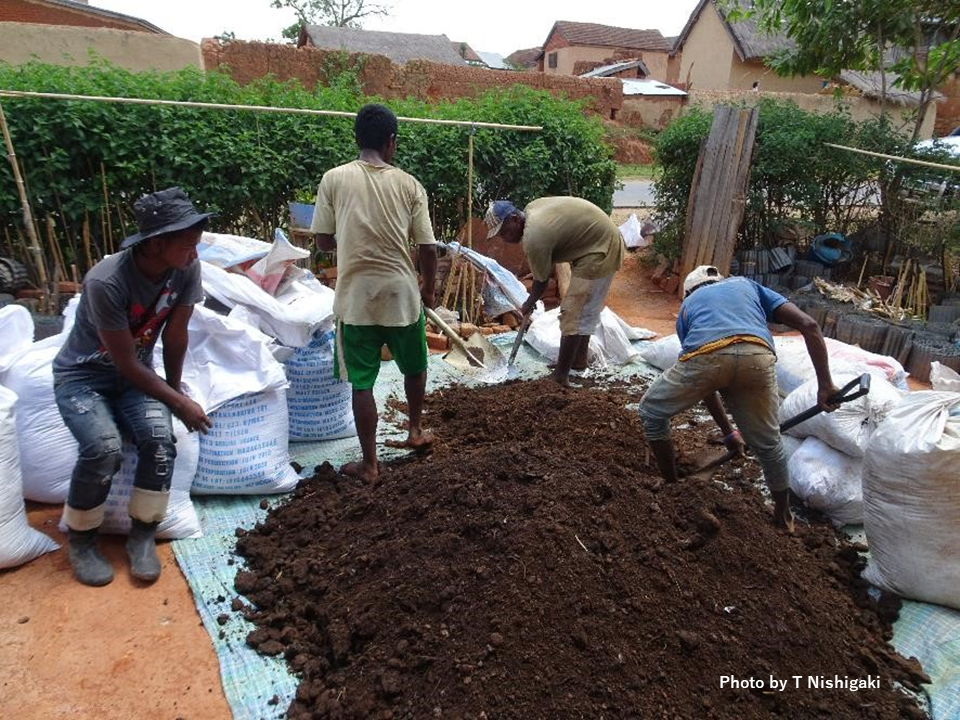
Regenerative agriculture refers to a set of farming practices designed to restore and enhance the natural systems that support agriculture. It focuses on improving soil quality, increasing biodiversity, enhancing water retention, and reducing dependency on chemical inputs. The core idea is to regenerate the farm ecosystem instead of depleting it.
Key regenerative practices include cover cropping, no‑till or reduced tillage, crop diversification, agroforestry (integrating trees with crops), composting, and managed grazing. These practices work together to build healthy soil, retain moisture, and support resilient farming systems.
Why Regenerative Agriculture Matters in Africa
Many agricultural landscapes in Africa have been affected by soil degradation, erosion, and declining fertility due to years of continuous farming with insufficient soil care. Changes in rainfall patterns, prolonged dry seasons, and drought have made farming even more challenging.
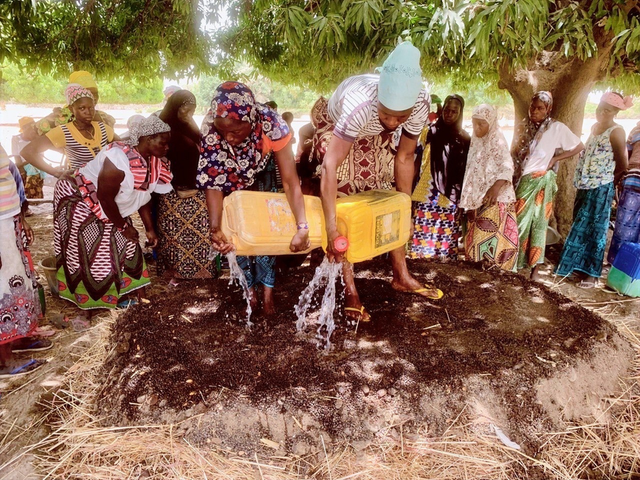
In this context, regenerative agriculture provides an alternative that not only increases productivity but also restores degraded land, improves drought resilience, and supports sustainable food production. For smallholder farmers who rely on agriculture for food and income, regenerative practices can be transformative.
Benefits of Regenerative Agriculture in Africa
1. Improved Soil Health
Healthy soil is the foundation of productive farming. Regenerative practices focus on increasing organic matter and encouraging soil biology:
- Cover crops reduce erosion, protect the soil surface from wind and rain, and add organic matter.
- Composting returns nutrients to the soil and improves structure.
- Reduced tillage minimizes soil disturbance, helping soil organisms thrive.
Over time, healthy soil retains water better, supports stronger plant roots, and increases yields without heavy chemical inputs.
2. Enhanced Water Retention and Drought Resilience
Water scarcity is a growing concern in many African regions. Regenerative practices help soil hold more moisture:
- Cover crops and mulches slow down evaporation.
- Improved soil structure from organic matter allows water to penetrate deeper.
- These changes help crops withstand dry periods with less irrigation.
This is especially important for rain‑fed farms in semi‑arid areas where water is limited.
3. Increased Biodiversity
Regenerative agriculture encourages a diversity of plants, insects, and microorganisms:
- Crop diversification brings different root structures and nutrient patterns into the soil.
- Agroforestry integrates trees, providing habitat for beneficial insects and birds.
- Greater biodiversity strengthens ecosystems and reduces pest pressures naturally.
Biodiversity also supports pollinators, which are essential for many crops.
4. Reduced Input Costs
By improving natural fertility and pest resistance, regenerative agriculture can reduce reliance on expensive chemical fertilizers and pesticides:
- Compost and cover crops enhance nutrient availability.
- Natural pest control methods reduce the need for synthetic pesticides.
- Over time, this lowers farm input costs and increases profitability.
For smallholder farmers with limited financial resources, these savings can be significant.
5. Carbon Sequestration and Climate Benefits
Healthy, biologically active soils can capture and store carbon from the atmosphere. Practices like agroforestry and cover cropping add organic carbon to the soil. This not only improves soil health but also contributes to climate change mitigation.
Some farmers and communities are exploring carbon credits and payment for ecosystem services as additional income streams linked to regenerative practices.
Challenges to Adopting Regenerative Agriculture
Despite its benefits, adopting regenerative agriculture in Africa comes with challenges:
1. Limited Knowledge and Training
Many farmers have practiced conventional farming for generations and may be unfamiliar with regenerative techniques. Lack of access to training, demonstration sites, and technical support can slow adoption.
Access to ongoing education and extension services is essential for farmers to understand how to implement new practices successfully.
2. Initial Labor and Transition Costs
Some regenerative practices, like building compost or planting cover crops, require additional labor. At the beginning of the transition, farmers may also need tools, seeds, and inputs that they do not already have.
For smallholder farmers with limited labor or capital, this can be a barrier without external support.
3. Access to Quality Inputs
Regenerative farming often relies on diverse seeds for cover crops, trees for agroforestry, and materials for compost. Accessing these inputs in rural areas can be difficult and costly.
Effective supply chains for regenerative inputs are still developing in many regions.
4. Market Incentives
Farmers need markets that value sustainably produced products. While organic and regenerative products are gaining interest, infrastructure for certification, processing, and fair pricing is not always available.
Without reliable markets for regenerative products, farmers may hesitate to invest in long‑term practices.
5. Policy and Institutional Support
Supportive policies and programs can help scale regenerative agriculture, but many regions lack clear frameworks, subsidies, or incentives that encourage regenerative practices over conventional ones.
Government and institutional support can help bridge the gap by providing training, financing, and research.
Supporting Wider Adoption
To overcome challenges and scale regenerative agriculture in Africa, coordinated efforts are needed:
- Extension services and farmer field schools to train farmers on regenerative techniques.
- Community demonstration sites to show real examples of benefits.
- Access to affordable inputs, such as seeds for cover crops and compost materials.
- Market development for regenerative and sustainably produced products.
- Policy incentives such as subsidies or financing for regenerative practices.
Partnerships among governments, NGOs, research institutions, and farming communities can accelerate adoption and support farmers through the transition.
Conclusion
Regenerative agriculture offers a sustainable pathway for African farmers to restore degraded land, improve soil health, increase resilience to climate change, and enhance long‑term productivity. The benefits—ranging from improved soil fertility to reduced input costs—make it a powerful approach for sustainable food systems. However, challenges such as limited training, access to inputs, and market incentives must be addressed to support wider adoption. With the right investments in knowledge, infrastructure, and policy support, regenerative agriculture can help Africa build resilient, productive, and sustainable agricultural landscapes for generations to come.