Introduction
South African agriculture plays a pivotal role in the country’s economy, providing employment, food security, and contributing significantly to export revenues. As one of the most developed agricultural sectors in Africa, it has the potential to expand further by embracing new technologies and sustainable practices. However, the sector also faces numerous challenges, from climate change to market access issues. In this article, we will explore the current trends and insights in South African agriculture, offering a glimpse into how the industry is evolving and what the future holds for farmers and investors.
The Importance of Agriculture in South Africa
Agriculture is a cornerstone of South Africa’s economy, contributing approximately 2-3% to the country’s GDP. Beyond its economic value, agriculture is critical for rural development, as it supports over 800,000 farmers and contributes to job creation in both primary production and agribusinesses. The sector is diverse, with South Africa producing a variety of crops, livestock, and horticultural products that are exported to international markets.

Key products include:
- Citrus fruits (South Africa is one of the world’s leading exporters of citrus)
- Wine (The country’s wine industry is one of the oldest in the New World)
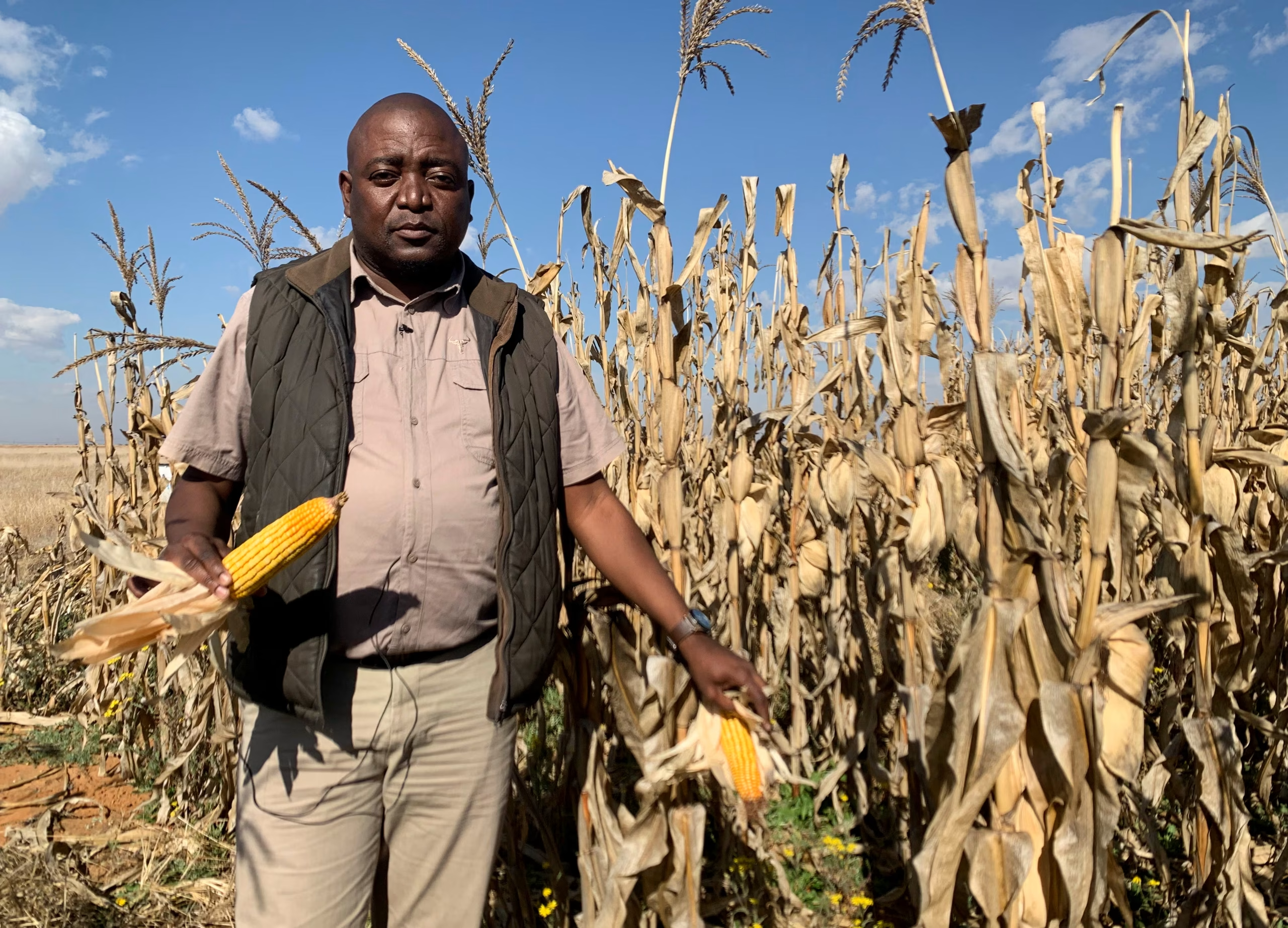
- Maize (A staple crop that is also exported)
- Livestock (Beef, wool, and poultry are key components of the agricultural output)
In addition to these, South Africa is home to a growing horticulture sector, which includes fruits and vegetables, as well as high-value crops like macadamia nuts and avocados.
Current Trends in South African Agriculture
1. Sustainability and Climate Resilience
As climate change intensifies, South African farmers are increasingly adopting sustainable practices to ensure the resilience of the agricultural sector. Water scarcity and extreme weather events, such as droughts and floods, have highlighted the need for sustainable water management and climate-smart agricultural techniques.
Farmers are turning to precision farming methods that use data analytics, satellite imagery, and IoT (Internet of Things) devices to optimize water usage, reduce waste, and increase crop yields. For instance, drip irrigation and water-efficient technologies are becoming more common in regions like the Western Cape, where water scarcity is a critical issue.
The government and agricultural bodies are also focusing on carbon reduction initiatives, encouraging farmers to implement practices that reduce greenhouse gas emissions. These include agroforestry, no-till farming, and cover cropping to improve soil health.
2. Adoption of Technology and Innovation
Technological innovation is transforming the landscape of South African agriculture, providing new ways to boost productivity, improve efficiency, and tackle challenges like labor shortages. Drones, autonomous tractors, and AI-powered systems are enhancing crop monitoring, pest control, and yield forecasting.
Agri-tech startups are gaining traction in South Africa, developing innovative solutions that address key agricultural challenges. For example, platforms like AgriWebb offer farm management software that helps farmers track operations, inventory, and compliance with regulations. Additionally, blockchain technology is being explored for its potential to improve transparency and traceability in the agricultural supply chain.
3. Expanding Export Markets
South Africa has long been an agricultural powerhouse on the African continent, and its role as a global supplier continues to grow. The country exports a wide range of agricultural products, with key markets including the European Union, China, and the Middle East.
One notable trend is the increasing demand for organic and sustainably sourced products. South Africa’s citrus exports, for example, are expanding to international markets, thanks to the country’s favorable climatic conditions for citrus production. The country’s wine industry is also seeing growing demand from markets like the U.S. and Asia.
As global consumers become more environmentally conscious, South African farmers are aligning their production practices with international sustainability standards to tap into this lucrative market. This includes certifications such as Fair Trade, GlobalG.A.P., and organic certification.
4. Diversification into High-Value Crops
Diversification is another key trend in South African agriculture. In recent years, farmers have increasingly shifted toward high-value crops that cater to both domestic and international markets. These include avocados, macadamia nuts, and berries, which have seen strong demand both locally and abroad.
The rise in popularity of plant-based diets and healthy eating is fueling demand for nutritious crops such as pulses, nuts, and vegetables. As consumers focus more on nutrition, South African farmers are capitalizing on the global trend for healthy food products by expanding into these high-value crops.
5. Land Reform and Empowerment
The issue of land reform has been a significant topic of discussion in South Africa in recent years. The government has been working on policies aimed at redistributing land to historically disadvantaged communities. The goal is to empower black South Africans and ensure that agriculture contributes to inclusive growth.
This process, however, presents both challenges and opportunities. For investors, the emerging market of land reform offers opportunities to support transformation while navigating regulatory changes. Companies focused on agro-processing, land management, and rural development are increasingly seen as part of the solution to supporting equitable agricultural development.
Challenges Facing South African Agriculture
While South Africa’s agriculture sector is experiencing positive growth, several challenges remain:
- Water Scarcity: Limited water resources, exacerbated by climate change, remain one of the biggest threats to agriculture in the country.
- Land Reform: While land redistribution efforts are critical for social equity, the process must be carefully managed to avoid disruptions in food production and ensure that new landowners have the resources to succeed.
- Market Access and Trade Barriers: South African farmers often face challenges in accessing international markets due to trade barriers, tariffs, and fluctuating commodity prices.
- Economic Instability: Political uncertainty and economic challenges, such as inflation and currency fluctuations, impact the financial viability of farming operations.
The Future of South African Agriculture
The future of South African agriculture looks promising, especially as technology continues to evolve and sustainable practices become more widely adopted. The country’s agricultural potential remains immense, thanks to its favorable climate, vast arable land, and increasing demand for quality agricultural products in international markets.
As farmers embrace innovation, diversify crops, and adapt to sustainability practices, South African agriculture will continue to grow, helping the country meet both domestic needs and global demand for food and other agricultural products.
Conclusion
South African agriculture is undergoing significant transformation, driven by innovation, sustainability, and the country’s growing integration into global markets. Despite the challenges posed by climate change, land reform, and market volatility, the sector remains one of the country’s most vital economic contributors. With the right investments in technology, infrastructure, and sustainable practices, South Africa’s agricultural industry has the potential to thrive well into 2026 and beyond.