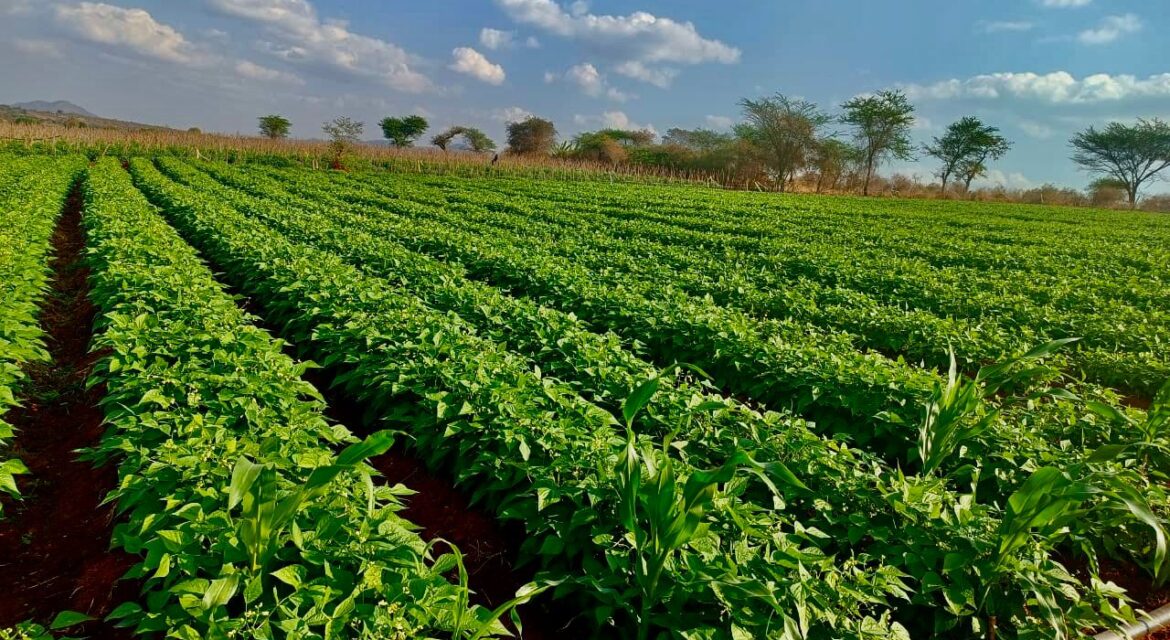
Soil health is the foundation of productive agriculture. In many parts of Africa, farmers face challenges like soil erosion, nutrient depletion, and reduced water retention that threaten food security and livelihoods. Sustainable farming practices focus on improving soil structure, increasing fertility, and conserving water while reducing environmental harm. This article explores key methods that farmers across Africa can adopt to restore and protect soil health for long‑term productivity.
Why Soil Health Matters
Healthy soil contains a balance of minerals, organic matter, water, air, and living organisms. It supports plant growth, regulates water flow, stores carbon, and provides habitat for beneficial microbes. In Africa, where agriculture employs a large portion of the population, maintaining soil health is vital for:
- Food security by increasing crop yields
- Climate resilience in the face of drought and erratic rainfall
- Sustainable livelihoods for smallholder and commercial farmers
- Environmental protection by reducing erosion and carbon loss
Degraded soils are less productive and more vulnerable to climate change. Sustainable practices help reverse degradation and build fertile, resilient farmland.
Cover Cropping
Cover cropping involves planting specific crops primarily to protect and enrich the soil rather than for harvest. Common cover crops include legumes like cowpeas, lablab, and clover.
Benefits:
- Reduces soil erosion by protecting the surface from wind and rain
- Adds organic matter when the cover crop decomposes
- Fixes nitrogen in the soil (especially legumes), reducing the need for synthetic fertilizers
- Improves soil structure and water infiltration
In Africa, farmers often integrate cover crops into fallow periods or between main crop cycles to keep the soil covered year‑round.
Crop Rotation
Crop rotation means planting different crops in a planned sequence on the same land over time.
How It Helps Soil Health:
- Breaks pest and disease cycles that favor specific crops
- Diversifies the nutrients taken from and returned to the soil
- Reduces buildup of soil‑borne diseases
- Encourages beneficial soil organisms
For example, rotating maize with legumes like beans helps restore nitrogen levels that maize depletes, leading to better yields over time.
Agroforestry Systems
Agroforestry combines trees with crops and/or livestock on the same land. Trees like acacia, moringa, and fruit trees can be integrated into crop fields.
Benefits for Soil:
- Tree roots reduce erosion and help hold soil in place
- Fallen leaves and organic litter increase soil organic matter
- Trees improve microclimate by providing shade and reducing water evaporation
- Deep tree roots bring nutrients from deeper soil layers closer to the surface
This practice supports both soil health and added income from tree products like fruits, fodder, and timber.
Conservation Tillage
Conservation tillage involves reducing the frequency or intensity of plowing to disturb soil as little as possible.
Key Advantages:
- Reduces soil erosion and loss of organic matter
- Improves water retention by leaving crop residues on the surface
- Promotes natural soil structure and microbial life
No‑till or minimum‑till systems can be especially effective in semi‑arid regions of Africa where wind and water erosion are common.
Organic Matter and Composting
Adding organic matter is one of the most powerful ways to improve soil health. Organic matter increases nutrient availability, enhances soil structure, and improves water retention.
Sources of Organic Matter:
- Farmyard manure from livestock
- Compost made from crop residues, kitchen waste, and plant materials
- Green manure crops grown specifically to be incorporated into the soil
Composting helps break down organic materials into nutrient‑rich soil amendments. When applied to fields, compost boosts soil fertility and supports beneficial microbial communities.
Integrated Pest and Nutrient Management
Integrated approaches balance pest control and nutrient supply in ways that protect soil health.
Pest Management:
- Use natural pest predators and biological controls
- Employ cultural practices like timely planting and crop diversity
- Minimize chemical pesticide use to protect soil organisms
Nutrient Management:
- Apply fertilizers based on soil testing to avoid overuse
- Combine organic and inorganic nutrients when appropriate
- Use slow‑release or locally available nutrient sources
By managing pests and nutrients holistically, farmers keep soils fertile and alive rather than degrading them with harsh chemicals.
Efficient Water Management
Water plays a critical role in soil health. Too little water stresses plants and microbes, while too much can cause erosion and nutrient leaching.
Water‑Smart Practices:
- Mulching: Applying mulch (straw, leaves, crop residues) protects soil, reduces evaporation, and keeps moisture consistent
- Rainwater Harvesting: Capturing and storing rainwater for crop use during dry spells
- Drip Irrigation: Provides water directly to plant roots, reducing waste
These practices help soils retain moisture and support plant growth even during dry seasons common in many African climates.
Farmer Knowledge and Community Support
Adopting sustainable practices often depends on access to knowledge, training, and community support.
Ways to Increase Adoption:
- Agricultural extension services and farmer field schools
- Sharing best practices through cooperatives and community groups
- Partnering with NGOs and government programs that support sustainable farming
When farmers learn from one another and access reliable information, sustainable practices spread more quickly.
Challenges and Considerations
While the benefits of sustainable farming are clear, challenges remain:
- Initial Labor and Time: Practices like composting and cover cropping require planning and labor upfront
- Access to Inputs: Some farmers may need help accessing organic materials or tools
- Knowledge Gaps: Training and extension services may be limited in remote areas
Addressing these challenges requires collaboration among governments, NGOs, community leaders, and farmers themselves to ensure that sustainable practices are practical and accessible.
Conclusion
Sustainable farming practices for soil health in Africa are essential for improving agricultural productivity, enhancing climate resilience, and supporting long‑term food security. Practices such as cover cropping, crop rotation, agroforestry, conservation tillage, adding organic matter, integrated pest and nutrient management, and smart water use all contribute to healthier soils. When farmers combine these methods with ongoing learning and community support, they not only boost yields but also protect the environment for future generations. By focusing on soil health today, Africa’s farmers can build stronger, more resilient agricultural systems for tomorrow.