COP30 Policymaking Needs a Developmentalist Makeover
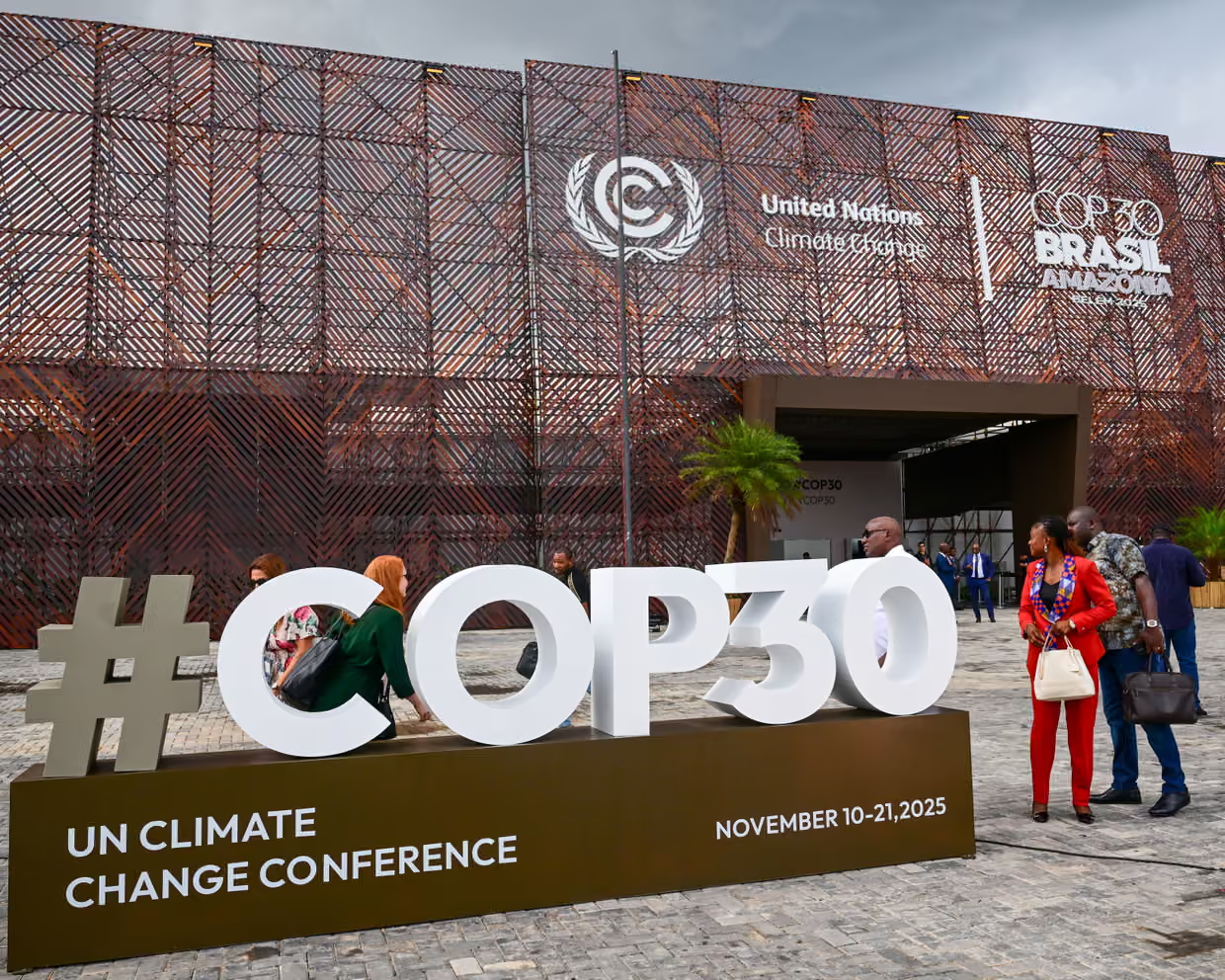
At COP30 in Belem, Brazil, the global climate agenda must shift towards a developmentalist model. Developed countries have failed to keep their promises, and developing countries are bearing the brunt of the climate crisis. COP30 policymaking must move beyond the usual narrative of “green growth” for high-income countries and embrace a more inclusive, job-creating approach that works for everyone, especially those in poverty-stricken regions.
Lessons from China’s Approach to COP30 Policymaking
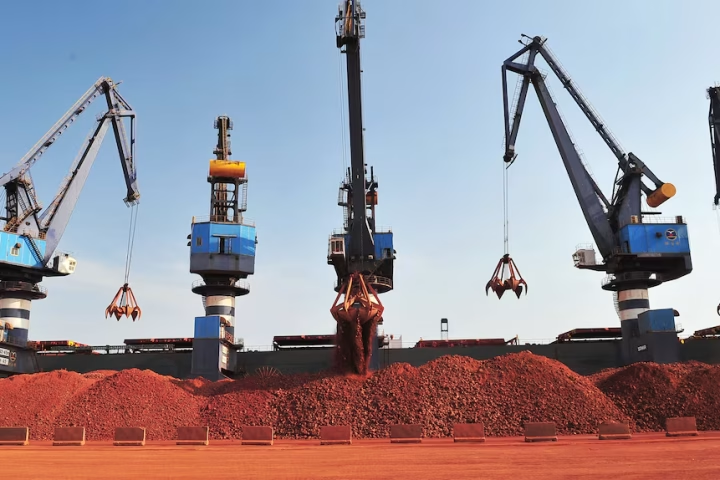
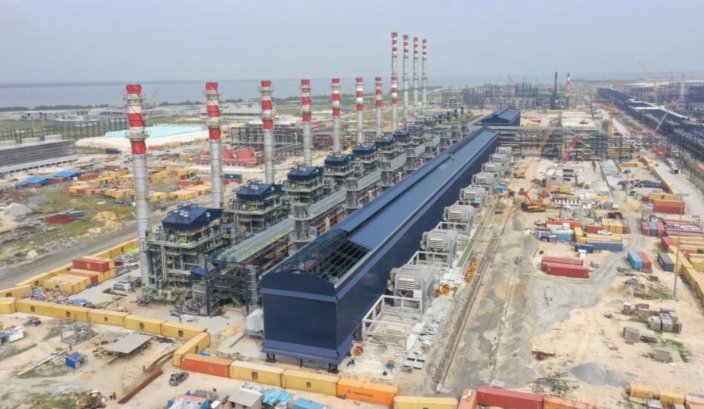
China’s approach to COP30 policymaking shows that climate strategies can support both economic development and environmental sustainability. While many Western countries treat climate policies as a barrier to growth, China has effectively demonstrated that these policies can drive economic opportunities. By building green manufacturing infrastructure, like electric vehicles, wind turbines, and solar panels, China provides a developmentalist model for climate action.
In contrast, many developing countries have not been able to leverage climate policies for economic growth. The high cost of green energy transition efforts, coupled with limited access to financing, has left many countries struggling to meet both their climate goals and economic development needs.
Read Also
- Nigeria’s Oil Output Rises as Reforms Spur Investment
- South Africa Attracts Investments to Expand Auto Manufacturing
Shifting COP30 Policymaking Towards Energy Abundance and Job Creation
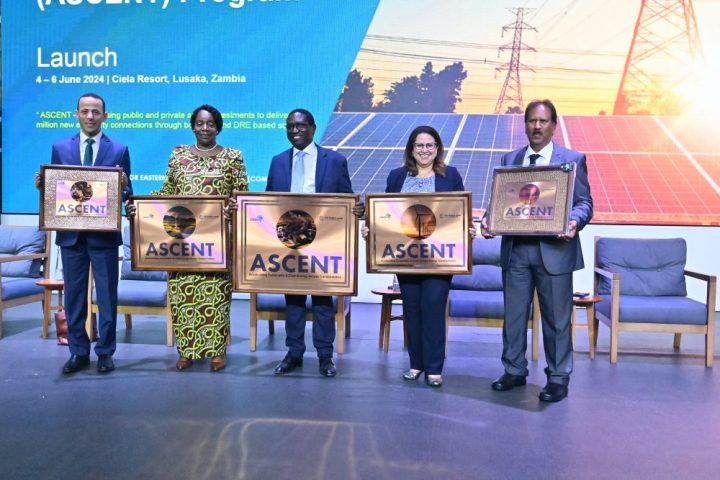
COP30 policymaking must prioritize energy access and job creation for developing countries. Energy poverty continues to plague many parts of Africa, Asia, and Latin America, undermining efforts to reduce inequality and foster sustainable development. By investing in green energy infrastructure, governments can create jobs and spur economic growth while simultaneously tackling climate change.
The developmentalist approach calls for developing countries to demand policies that promote energy abundance. Instead of relying on loans from high-income countries, they should push for investments in clean energy technologies, local manufacturing, and job creation. This shift will ensure that climate change policies are not just about mitigating the crisis but also empowering countries to thrive in the green economy.
Reframing COP30 Policymaking for Global Cooperation
For COP30 to succeed, it needs to move away from being a mere forum for high-income countries to impose their climate agendas. Developing countries must lead the way, setting the tone for policies that are not only environmentally sound but also economically viable. COP30 policymaking can no longer be about handing out loans or relying on charity from richer nations. Instead, it must focus on creating opportunities for economic growth, equity, and sustainable development.
Through proactive action, developing nations can shift the climate change discourse from a focus on reparative justice to one of mutual prosperity and collective action. The success of COP30 hinges on the collective will to push for inclusive policies that benefit all nations, especially those most affected by climate change.