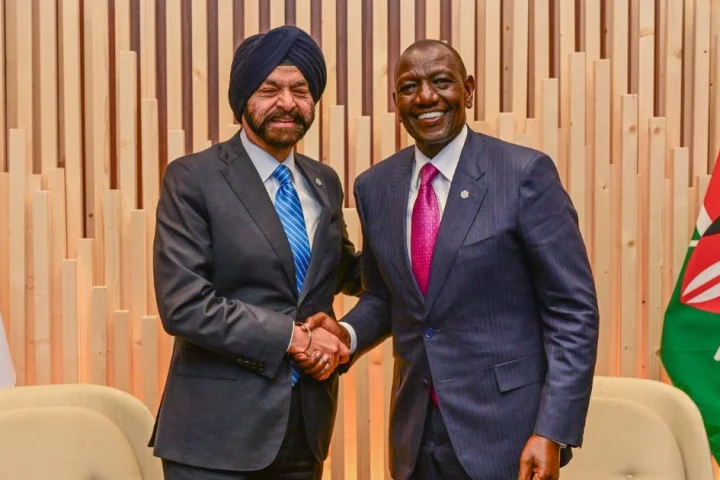
The UN High Commissioner for Refugees (UNHCR) is calling for urgent global support for Kenya refugee integration. During his first visit to Kenya, UNHCR chief Raouf Salih toured Kakuma camp in the northwest. Importantly, this site is central to Kenya’s plan to turn refugee camps into urban settlements.
Salih praised Kenya’s long history of hosting displaced people. “This is how we move from aid dependency to self-reliance,” he said. Moreover, he added, “Kenya is doing its part. It needs greater international support.”
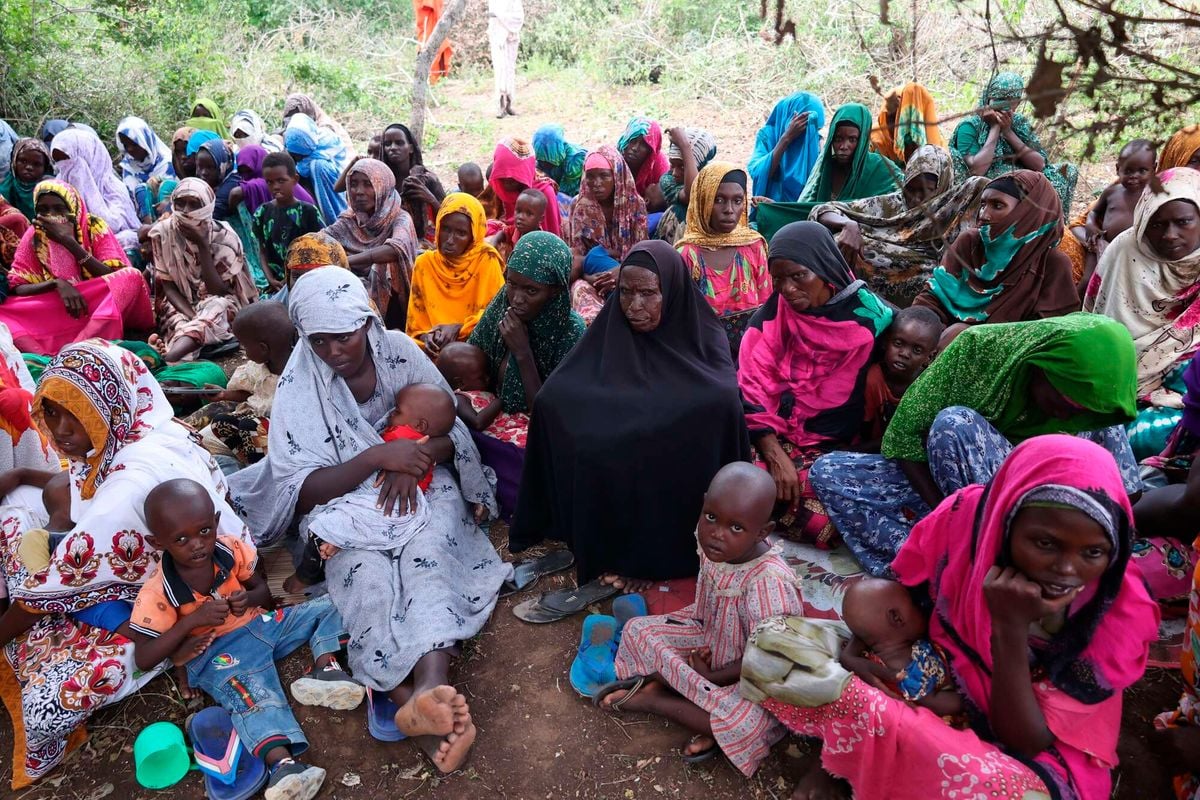
Currently, Kenya hosts over 1 million refugees and asylum seekers. About 854,876 live in Kakuma and Dadaab camps. In addition, another 200,000 reside in cities like Nairobi. Notably, the Horn of Africa shelters nearly 6 million displaced people—making it a global displacement hotspot.
To address this, the Shirika Plan launched in 2025. Instead of relying on emergency aid, it focuses on sustainable development. Specifically, it will transform camps into integrated municipalities. As a result, refugees will gain freedom of movement, access to national services, legal IDs, and the right to work.
President William Ruto welcomed the plan during talks with Salih. “For four decades, Kenya has offered refugees a home away from home,” he said. Therefore, he urged the world: “We ask the international community to support this noble effort.”
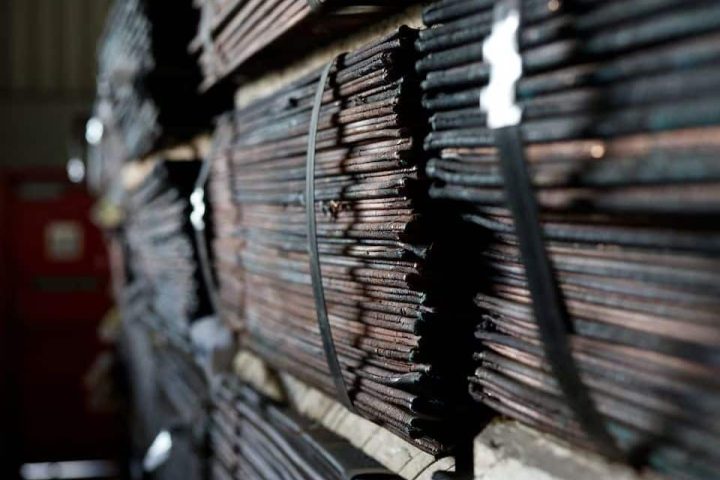
However, challenges remain. Due to global aid cuts, food rations dropped faster than planned last year. Consequently, riots and warehouse fires broke out in Kakuma. Originally, the plan called for a gradual phase-out of aid—paired with job opportunities. But donor shortfalls accelerated the cuts, straining trust.
Salih warned that the funding gap “threatens lives and risks undoing hard-won progress.” Thus, he urged donors, development banks, and the private sector to step up. “These policies can transform futures for refugees and host communities alike,” he said.
Critically, the plan uses a dual-benefit approach. New schools, clinics, roads, and water systems will serve both refugees and Kenyans. This way, it reduces pressure on local resources and builds social cohesion.
Most refugees come from Somalia and South Sudan. By integrating them into local economies, Kenya could turn displacement into opportunity.
Ultimately, for Kenya refugee integration to succeed, steady international backing is essential. Without it, the vision of dignity and shared prosperity may stall.
READ: Gold and Silver See High Volatility Amid Bullish Yearly Outlook